200 Bridge Plaza Dr, Manalapan Township, NJ 07726

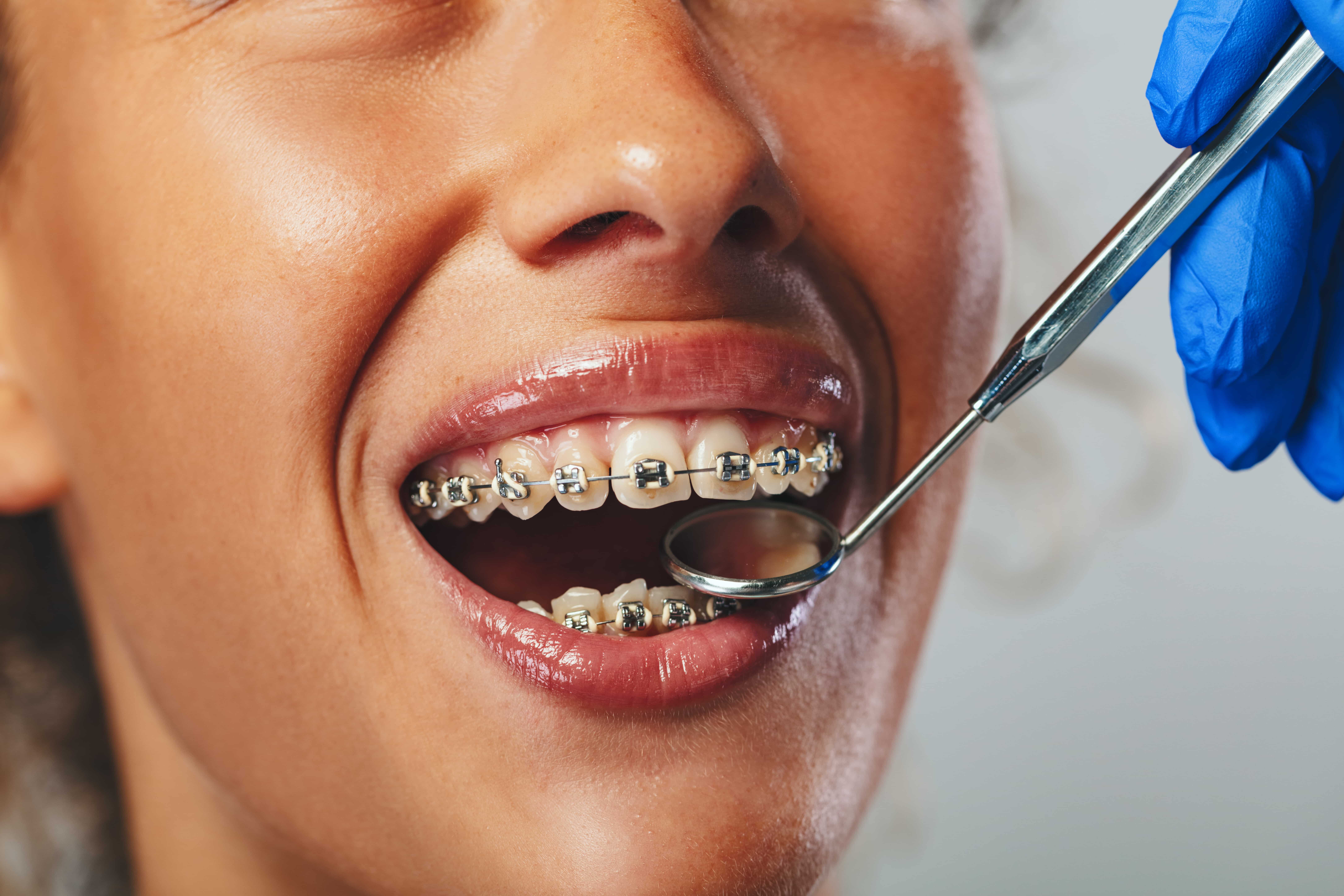
Have you lately begun wearing braces and noticed strange pressure in your mouth or jaw pain? If that’s the case, you may have bruxism. Although anyone can be affected by this teeth grinding, people receiving orthodontic treatment experience considerably severe dental complications.
Although bruxism may go unnoticed at first, it can have negative effects on your oral health. This blog will help you control clenching while wearing braces by explaining its causes, symptoms, and solutions. Continue reading to find out when to see an orthodontist for a seamless procedure.
The Effects of Bruxism on Braces
You may unintentionally clench your teeth as you sleep, which is known as grinding. When braces and wires are already being used to straighten your teeth, bruxism can put additional strain. This pressure may result in delaying results with orthodontic treatment, structural damage, or misalignments.
What are the Signs of Teeth Grinding?
Detecting the signs early can help you address the problem before it causes significant damage. Here are a few red flags to watch out for that need immediate attention from an orthodontist:
- Morning Tooth Sensitivity: A sharp zing or dull ache in your teeth after waking up could be an early indicator of bruxism.
- Jaw Soreness or Tension: Tight or aching jaw muscles might signal overnight clenching.
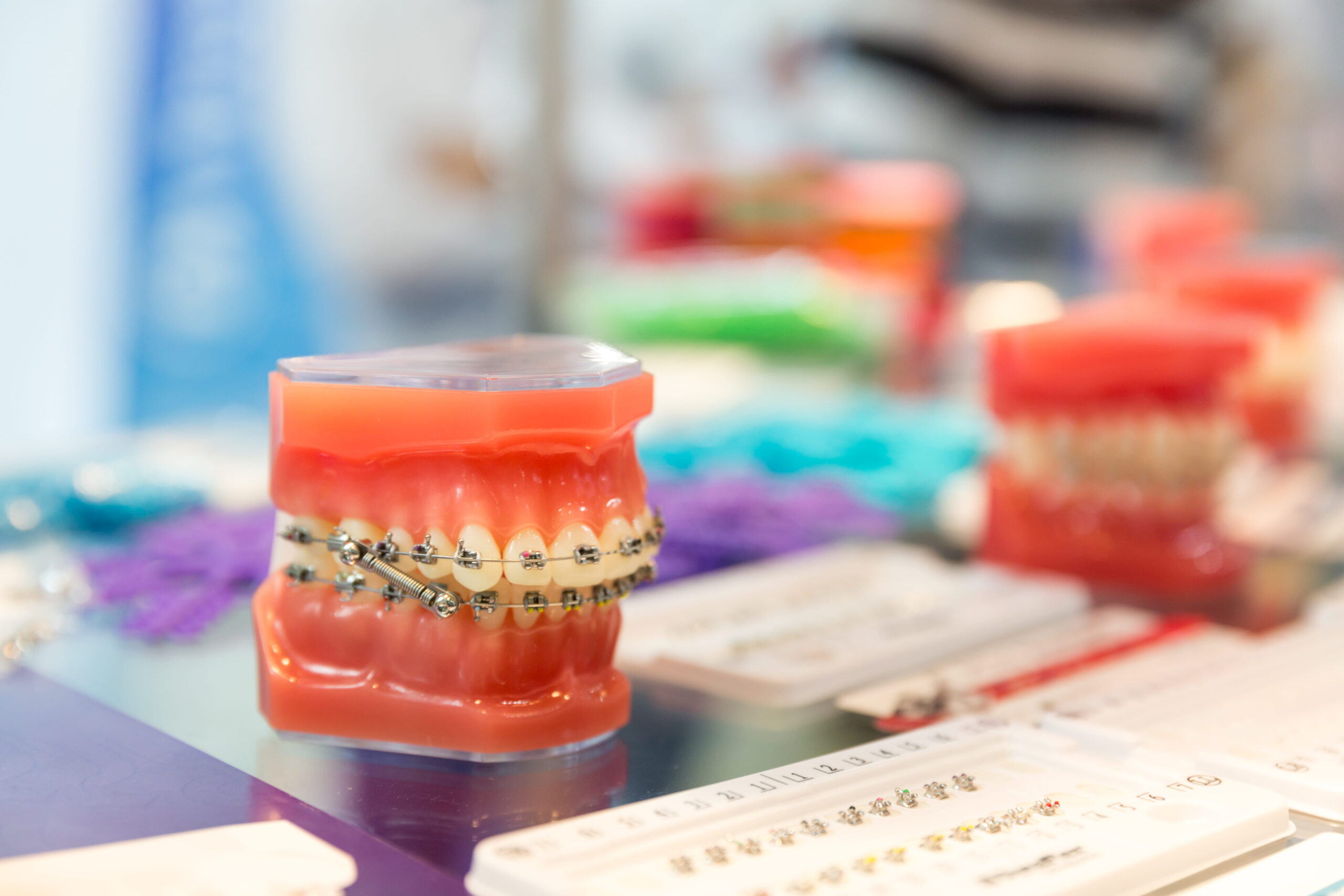
- Noticeable Wear on Appliances: Bent wires or loose brackets may suggest excessive nighttime pressure on your braces.
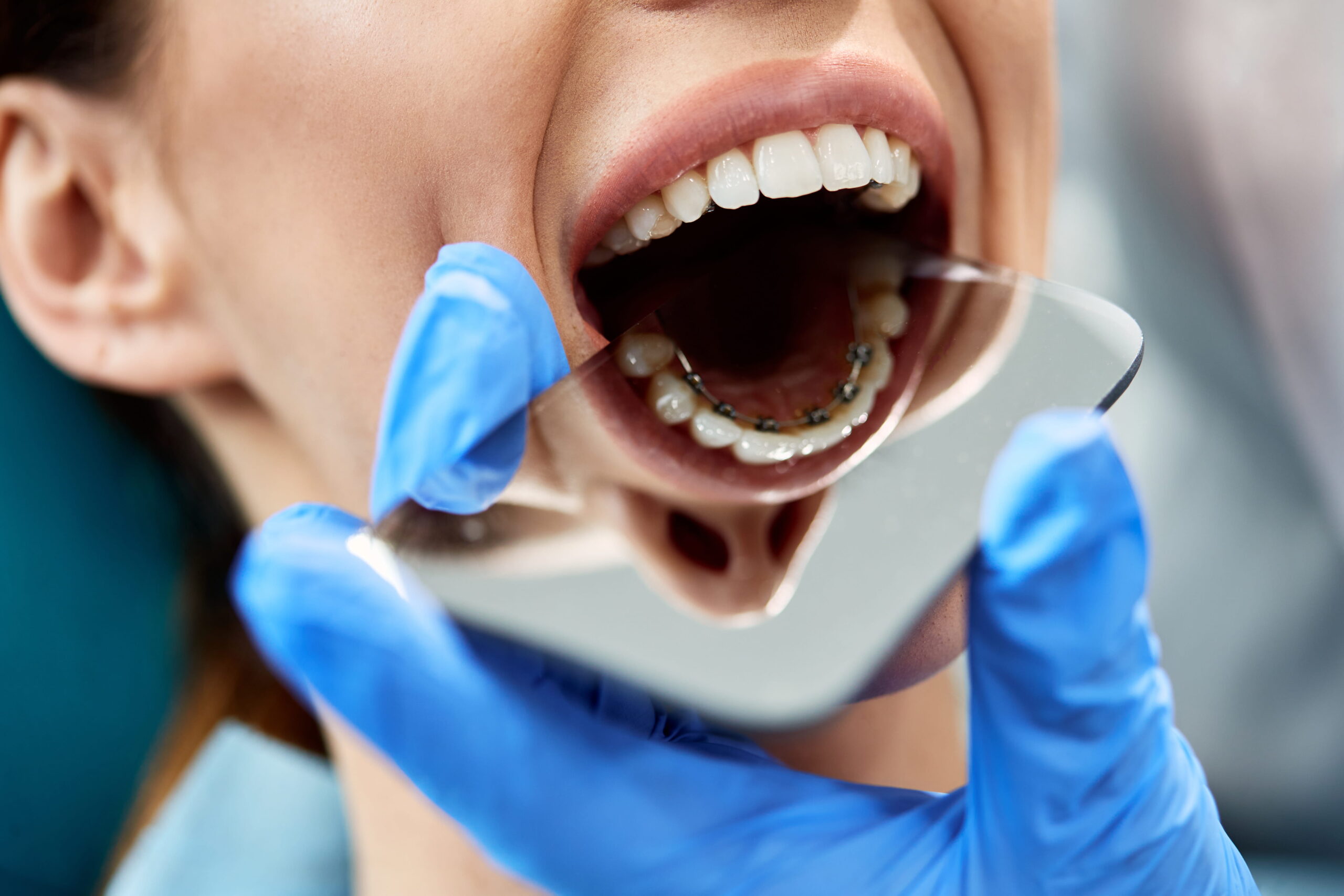
Our orthodontic team, serving patients in Freehold, can assess these symptoms and determine whether bruxism is interfering with your treatment. Early intervention not only protects your braces but also ensures your orthodontic journey stays on track with minimal discomfort.
Solutions to Prevent Damage From Grinding
Here are a few well-liked methods to lessen the effects on your teeth and orthodontic braces.
- Get a Custom Night Guard
By creating a cushioned barrier between your upper and lower teeth, a night guard helps lessen the effects of clenching at night. A tailored fit minimizes discomfort and safeguards your investment by ensuring it functions well with your orthodontic appliances.
- Manage Daily Stress
Emotional stress is a common cause of teeth clenching at night. Before going to bed, you can reduce stress and relax your jaw muscles by stretching, mindfulness meditation, or a quick evening walk.
- Follow a Consistent Oral Care Routine
Maintaining proper dental hygiene becomes crucial when wearing braces. Healthy gums and strong teeth are less vulnerable to the effects of bruxism. To maintain the health of your mouth, it’s advised to brush and floss thoroughly after meals and rinse with fluoride.
- Review Your Nutrition
Too much sugar, caffeine, or alcohol can cause jaw pain. Consume meals high in calcium and magnesium to ease muscles and support dental health.
When to Consult Your Orthodontist?
While home-based strategies are helpful, addressing bruxism during orthodontic care requires a quick consultation with an experienced orthodontist. If you live in Freehold, an orthodontic evaluation can help determine how severe your teeth grinding is and which treatment options may be appropriate for you..
Teeth grinding can disrupt dental alignment progress achieved with braces. From adopting stress-reducing habits to scheduling your orthodontic appointments, these actions ensure teeth remain healthy while they move to their desired places. We are your trusted clinic dedicated to helping you achieve and maintain a confident and healthy smile.