200 Bridge Plaza Dr, Manalapan Township, NJ 07726

Many adults begin thinking about cosmetic dental improvements during everyday moments—seeing a photo from a family gathering, preparing for a professional milestone, or noticing small changes in their smile over time. Some patients mention discoloration from years of coffee or tea, while others are concerned about minor chips, uneven edges, or spaces between teeth. In many conversations at our Manalapan Township office, the goal is rarely a dramatic transformation. Instead, people often want subtle improvements that help them feel more comfortable smiling at work, during social events, or in family photos.
For individuals exploring cosmetic dental treatments, modern dentistry offers several thoughtful options designed to enhance appearance while maintaining strong oral health. Today’s cosmetic care focuses on natural-looking results that support both confidence and long-term dental stability.
What Is Considered Cosmetic Dentistry?
Cosmetic dentistry focuses on improving the appearance of teeth and overall smile aesthetics. While many treatments enhance visual aspects such as color, shape, or alignment, they are often carefully balanced with oral health considerations.
It is helpful to understand the difference between cosmetic and restorative care. Restorative dentistry primarily addresses damage, decay, or structural concerns that affect how teeth function. Cosmetic treatments, on the other hand, focus on enhancing the look of the smile. In many cases, however, the two areas overlap. For example, a crown may restore a weakened tooth while also improving its appearance.
Patients considering smile improvements often come with specific goals—perhaps brighter teeth for an upcoming wedding or subtle shape adjustments before an important career opportunity. A thoughtful cosmetic plan considers both these goals and the long-term health of the teeth and bite.
Teeth Whitening
Professional teeth whitening remains one of the most commonly requested cosmetic treatments. Over time, teeth can develop stains from everyday habits such as drinking coffee, tea, red wine, or certain sodas. Natural aging can also contribute to gradual discoloration.
In-office whitening treatments use professional-grade solutions designed to safely lift stains from the enamel. Compared with many over-the-counter products, professional whitening is typically more controlled and tailored to the patient’s needs.
Many people appreciate that whitening can often be completed in a single visit, making it a convenient option for individuals preparing for special occasions or professional events. The goal is not an artificial brightness, but a natural-looking shade that complements the patient’s smile.
Dental Bonding
Dental bonding is a conservative cosmetic treatment used to correct small imperfections in the teeth. This procedure involves applying a tooth-colored resin material that can be shaped and polished to blend with surrounding enamel.
Bonding is commonly used to address:
- Minor chips or cracks
- Small gaps between teeth
- Slight irregularities in tooth shape
- Areas of uneven enamel
Because bonding requires minimal preparation of the natural tooth, it is often considered a conservative and cost-conscious option. For many patients, bonding offers a straightforward way to refine small cosmetic concerns while preserving healthy tooth structure.
Porcelain Veneers
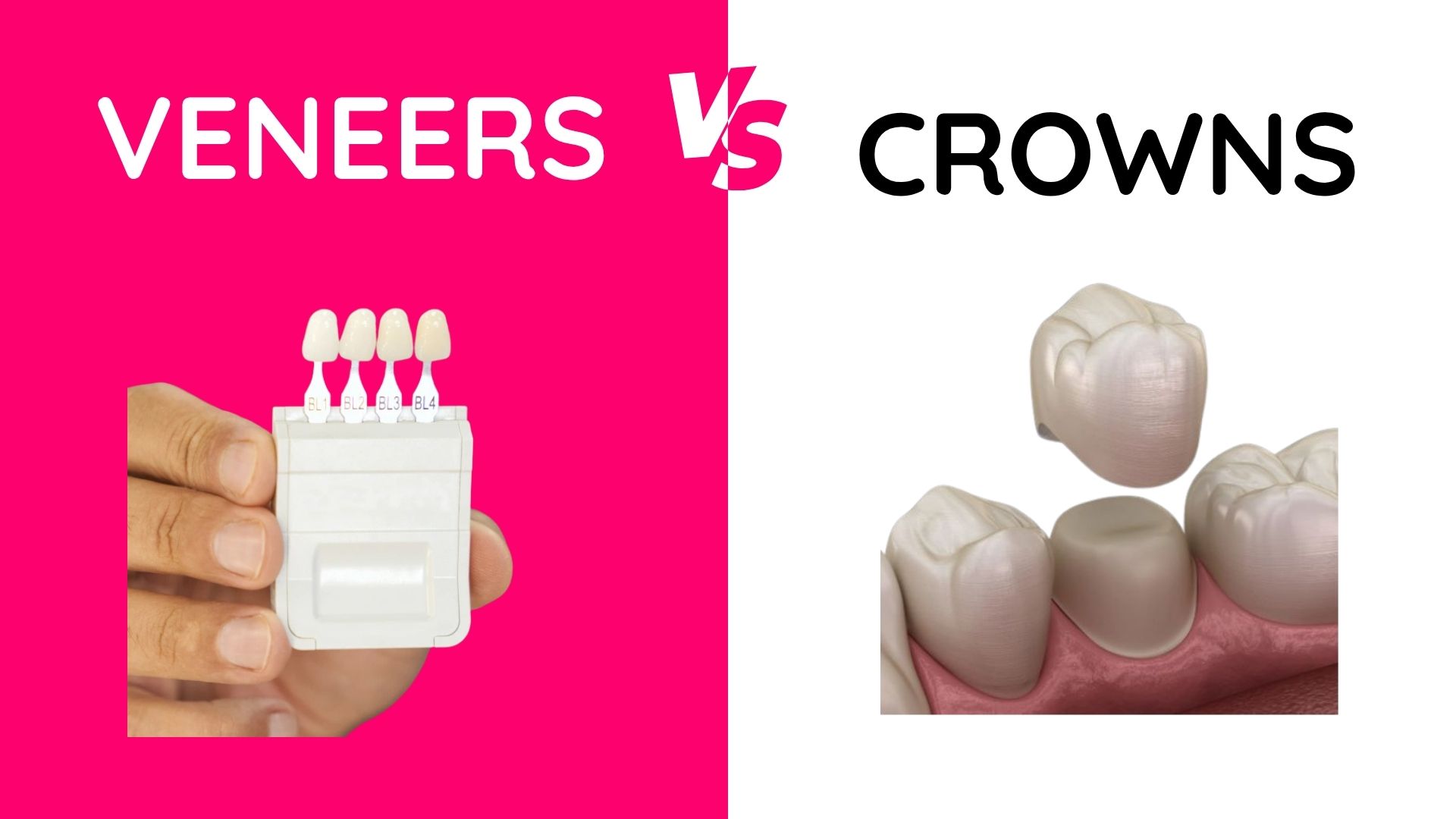
Porcelain veneers are thin custom-crafted shells designed to cover the front surface of teeth. They are commonly used to improve several aspects of the smile at once, including color, shape, and symmetry.
Veneers may be considered when patients have:
- Teeth that are deeply stained and resistant to whitening
- Noticeable shape differences between teeth
- Small gaps or mild alignment concerns
- Worn or uneven enamel
Because veneers are carefully designed to complement the patient’s facial features and natural smile, treatment planning typically involves thoughtful discussion about long-term expectations and maintenance. With proper care, veneers can provide a durable and natural-looking cosmetic solution for many years.
Dental Crowns for Cosmetic and Structural Improvement
Dental crowns are sometimes associated with restorative care, but they can also play an important role in cosmetic improvements. A crown covers the entire visible portion of a tooth, restoring both its appearance and structural integrity.
Crowns may be recommended for teeth that are:
- Severely worn down
- Broken or cracked
- Affected by large fillings
- Significantly discolored
In these situations, a crown can strengthen the tooth while also improving its shape and color. For many patients, crowns provide a balanced solution when both appearance and durability are important.
Cosmetic Smile Improvements with Dental Implants or Bridges
When a tooth is missing, restoring the space can improve both function and appearance. Dental implants and bridges are two common options used to replace missing teeth.
Dental implants involve placing a small post in the jawbone that supports a natural-looking crown. Bridges, on the other hand, use surrounding teeth for support while filling the gap with an artificial tooth.
Both approaches help restore the continuity of the smile while also supporting normal chewing and speaking. Many patients report feeling more confident once a missing tooth is replaced, especially in professional or social settings.
How Cosmetic Dentists Plan Treatment Thoughtfully
A thoughtful cosmetic plan begins with listening. Patients often arrive with specific concerns—perhaps a chipped tooth that has bothered them for years or gradual staining that affects their confidence during meetings or events.
Dentists typically begin by evaluating several factors:
- Overall smile appearance
- Tooth alignment and spacing
- Bite balance and jaw function
- Facial symmetry and proportions
- Long-term oral health considerations
Rather than recommending multiple procedures immediately, many dentists prefer a conservative approach. Small changes can often create meaningful improvements without extensive treatment. By focusing on the patient’s priorities and maintaining healthy tooth structure, cosmetic dentistry can enhance the smile while preserving long-term stability.
Considering Cosmetic Improvements
For individuals who have been thinking about subtle changes to their smile, a conversation with a dental professional can be a helpful first step. If you are interested in exploring options or learning more about treatments available, you can consider visiting our dental office in Manalapan to discuss your goals and ask questions in a relaxed, informative setting.
FAQs
Are cosmetic dental treatments painful?
Most cosmetic procedures are designed to be comfortable and minimally invasive. Treatments such as whitening or bonding typically involve little to no discomfort. Dentists also take steps to ensure patients remain comfortable during any procedure.
How long do cosmetic dental treatments last?
The longevity of cosmetic work depends on the type of treatment and daily oral care habits. Whitening results may last several months to a few years, while veneers, crowns, and implants can last many years with proper maintenance.
Is professional teeth whitening safe for enamel?
Yes. When performed under dental supervision, whitening treatments are designed to remove stains while protecting the enamel. Dentists carefully monitor the strength of whitening agents to ensure safety.
Can cosmetic treatments improve slightly crooked teeth?
In many cases, minor alignment concerns can be addressed with options like bonding or veneers. However, more significant alignment issues may require orthodontic treatment for optimal results.
How do I know which cosmetic treatment is right for me?
A dental evaluation helps determine the most appropriate option. During a consultation, dentists typically review the patient’s concerns, examine the teeth and bite, and discuss treatments that support both appearance and oral health.