200 Bridge Plaza Dr, Manalapan Township, NJ 07726

Most people assume gum disease announces itself with pain — but that’s rarely how it starts. In its earliest stage, gum disease is often quiet, showing up as a little extra bleeding when you brush or a patch of gum tissue that looks slightly puffier than usual. Because these changes are easy to write off, many patients in Manalapan and the surrounding Freehold and Marlboro communities don’t realize anything is wrong until the condition has already advanced. Learning to recognize the early warning signs of periodontal disease is one of the simplest things you can do to protect your smile long-term.
The earliest signs of gum disease include gums that bleed during brushing or flossing, redness or puffiness along the gumline, persistent bad breath, and gums that feel tender to the touch. This stage, called gingivitis, is fully reversible with prompt professional care and consistent oral hygiene at home.
Why Early Detection Matters So Much
Gum disease doesn’t move in a straight line from “fine” to “serious.” It progresses in stages, and the earlier it’s caught, the more treatable it is. Research from the Centers for Disease Control and Prevention has found that roughly 47% of American adults over age 30 have some form of periodontal disease — and a significant share of them don’t know it, because the early stage tends to be painless. That’s part of what makes routine dental visits so valuable: a trained eye can often spot inflammation weeks or months before a patient would ever feel it.
The distinction between the two main stages matters. Gingivitis is inflammation limited to the soft tissue — no bone or ligament damage has occurred yet, which is why it can be fully reversed with treatment and better home care. Left alone, gingivitis can progress into periodontitis, where the infection begins to affect the bone and connective tissue anchoring the teeth in place. At that point, damage can be managed and slowed, but it generally can’t be undone completely. That difference alone is the reason catching gum disease early is worth paying attention to.
Signs You May Be in the Early Stages of Gum Disease
Gums That Bleed When You Brush or Floss
A little bleeding might seem minor, especially if it happens only occasionally. In reality, healthy gum tissue shouldn’t bleed at all during normal brushing or flossing. Bleeding is typically a sign that plaque has built up along the gumline and triggered an inflammatory response in the tissue.
Redness, Puffiness, or Tenderness
Healthy gums are firm and a consistent pale pink. When plaque irritates the tissue, gums often become redder, softer, and slightly swollen. Some patients also notice mild tenderness when eating or brushing in that area.
Persistent Bad Breath
Occasional bad breath after a meal is normal. Bad breath that lingers no matter how often you brush is a different story — it’s frequently caused by bacteria collecting below the gumline, a hallmark of early gum disease.
Gums That Look Like They’re Pulling Back
Slight recession, where more of the tooth’s root becomes visible than before, can be an early indicator that the gum tissue is under stress from inflammation, even before bone loss has occurred.
A Change in How Your Bite Feels
Some patients describe a subtle sense that their teeth fit together slightly differently, or that one or two teeth feel a bit more sensitive than the rest. This is worth mentioning at your next visit, since it can be an early sign that supporting tissue is starting to be affected.
What Causes Gum Disease to Develop
Gum disease is almost always rooted in plaque — a sticky film of bacteria that forms on teeth throughout the day. When plaque isn’t removed consistently through brushing and flossing, it hardens into tartar, which only a dental cleaning can remove, and continues to irritate the gum tissue. Several factors can make someone more prone to developing gum disease even with reasonably good habits, including:
- Tobacco use of any kind
- Diabetes or other conditions that affect the body’s inflammatory response
- Certain medications that reduce saliva flow
- Hormonal changes, such as those during pregnancy
- A diet high in sugar and low in nutrients
- A genetic predisposition to gum disease, even with good oral hygiene
Understanding your own risk factors can help you and your dental team decide how often you should be monitored and what preventive steps make the most sense for you.
How Adult & Pediatric Dental Studio Approaches Early Gum Disease
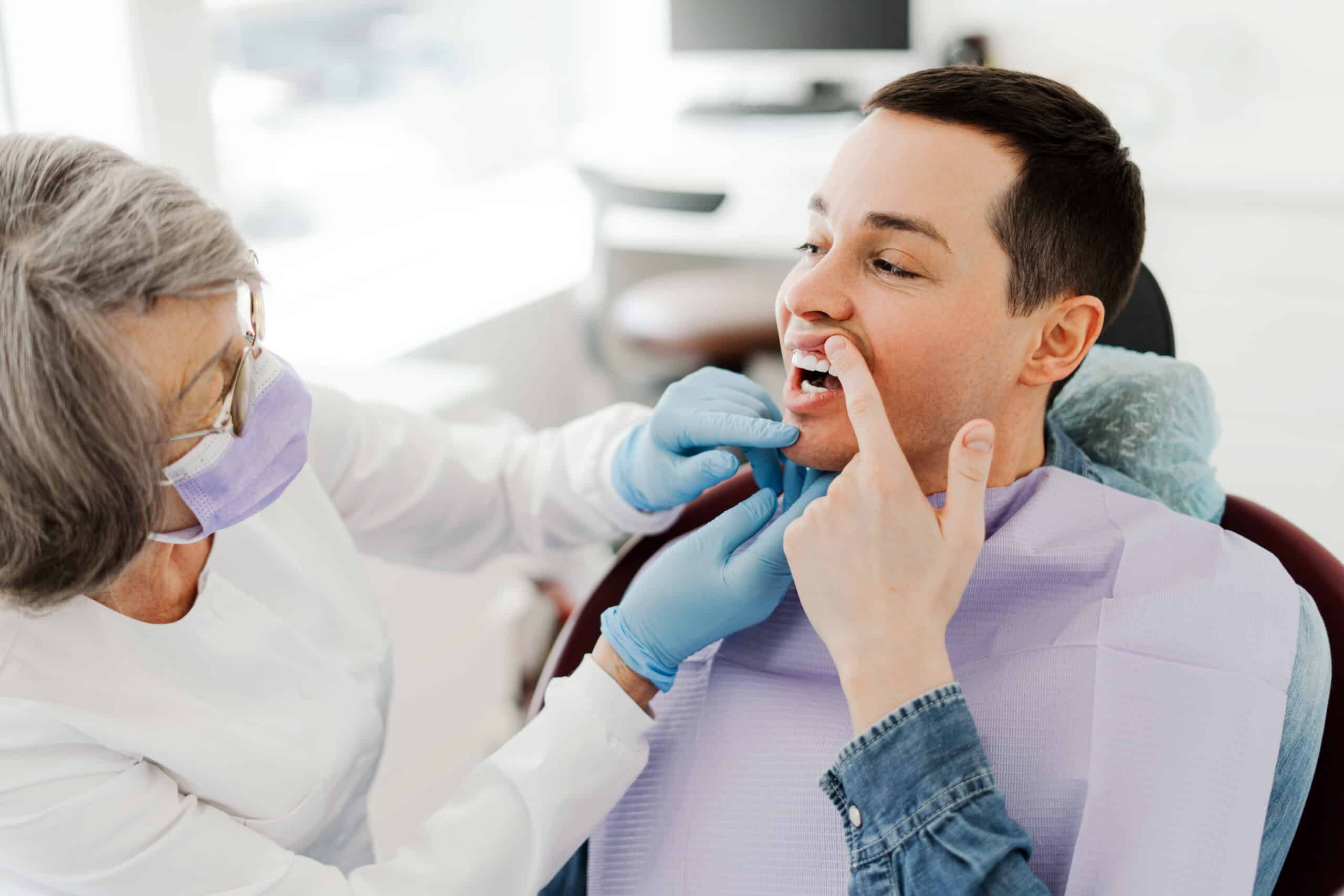
At every routine visit, our Manalapan team screens for the early signs of gum disease as a standard part of your exam — not something reserved for patients who already have symptoms. If we notice inflammation, we’ll walk you through exactly what we’re seeing, what’s likely causing it, and what a personalized plan to reverse it looks like. In many early cases, that plan involves a thorough professional cleaning paired with small, practical adjustments to your home routine. If the condition has progressed further, more targeted periodontal treatment may be recommended to stop it from advancing. We also work with families throughout Freehold, Marlboro, Monroe Township, and Old Bridge who want a dental home that treats gum health as seriously as they do.
Everyday Habits That Help Protect Your Gums
Preventing gum disease — or catching it early enough to reverse it — usually comes down to a few consistent habits:
- Brush for a full two minutes, twice a day, using a soft-bristled brush
- Floss once daily to clear plaque from between teeth and along the gumline
- Keep up with professional cleanings every six months, or more often if recommended
- Limit sugary foods and drinks, which feed the bacteria that cause plaque buildup
- Avoid tobacco products in any form
- Stay well hydrated, since dry mouth allows bacteria to build up more easily
None of these habits require a major lifestyle overhaul, but done consistently, they make a real difference in whether gum inflammation resolves on its own or continues to build.
When to See a Dentist
If you’re noticing any bleeding, redness, tenderness, or bad breath that doesn’t go away, it’s worth having your gums evaluated sooner rather than later. Early-stage gum disease responds well to treatment, and addressing it now is far simpler than managing periodontitis down the road. If it’s been more than six months since your last cleaning, that’s also a good moment to schedule a checkup, even if nothing feels obviously wrong.
FAQ
Can gum disease be reversed once it starts?
Yes, if it’s caught in the gingivitis stage. With professional treatment and improved home care, early gum disease is fully reversible. Once it progresses to periodontitis, it can be managed and controlled, but the damage to bone and tissue typically can’t be completely undone.
Is it normal for gums to bleed a little when I floss?
No. Occasional bleeding is often dismissed as normal, but healthy gums shouldn’t bleed during brushing or flossing. Bleeding is usually one of the first signs of gum inflammation and is worth mentioning to your dentist.
How can I tell the difference between gingivitis and periodontitis?
Gingivitis involves inflammation of the gum tissue only, with no damage to the bone or ligaments supporting your teeth. Periodontitis is more advanced and involves loss of that supporting structure, which can lead to loose teeth if untreated.
What happens during a gum disease screening?
Your dentist or hygienist checks for signs of inflammation, measures the depth of the space between your gums and teeth, and looks for any bleeding, recession, or bone loss. This is typically done at every routine dental visit.
Can I have gum disease without any pain?
Yes, and this is one of the most important things to understand about the condition. Early-stage gum disease is usually painless, which is why so many people don’t realize they have it until it’s more advanced. This is also why regular checkups matter, even when nothing hurts.
How often should I get my teeth cleaned if I’m at risk for gum disease?
Most patients benefit from a cleaning every six months, but if you have risk factors like smoking, diabetes, or a history of gum disease, your dentist may recommend cleanings every three to four months instead.
Catching gum disease early starts with a simple checkup. If you’ve noticed bleeding, swelling, or persistent bad breath, don’t wait for it to get worse, the team at Adult & Pediatric Dental Studio in Manalapan Township, NJ screens for gum disease at every visit and can help you get ahead of it. Schedule your appointment today or call (732) 880-0404 to protect your smile before early signs turn into a bigger problem.