
200 Bridge Plaza Dr, Manalapan Township, NJ 07726
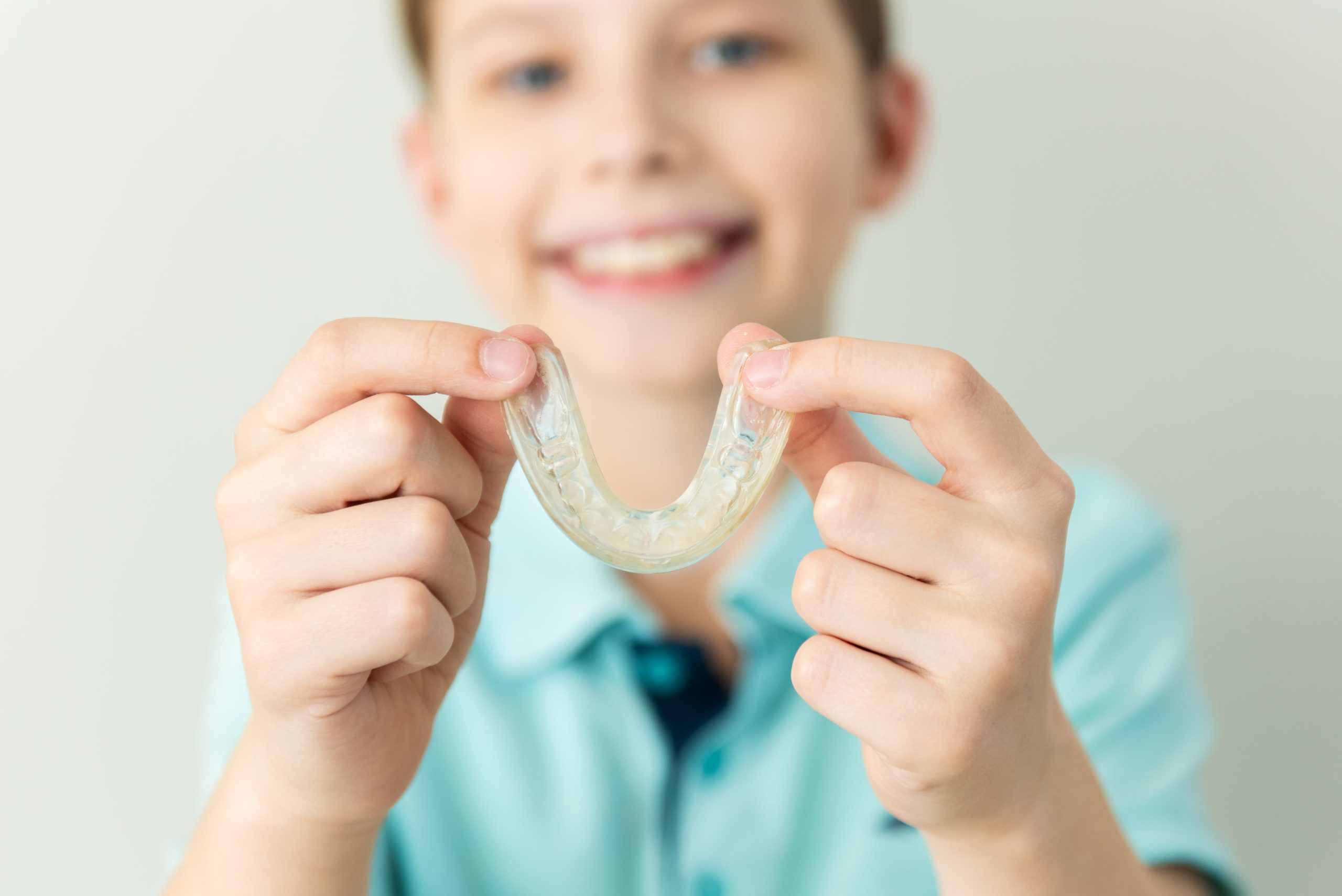
Yes, children should wear a properly fitted sports mouthguard during activities that carry a risk of dental or facial injury. A mouthguard helps protect developing teeth, lips, cheeks, and other oral structures from impact during sports.
Children can experience dental injuries during organized competitions, school activities, and recreational play. A collision with another player, an accidental elbow, or a fall can cause a chipped tooth, fractured tooth, or injury to the soft tissues inside the mouth.
The American Dental Association (ADA) recommends properly fitted mouthguards for activities with a significant risk of dental trauma. The American Academy of Pediatric Dentistry (AAPD) also supports mouthguard use as part of sports injury prevention.
Parents looking for professional guidance can consult the pediatric dentistry team at Adult & Pediatric Dental Studio. A dental evaluation can help determine which type of mouthguard suits a child’s teeth, bite, and stage of development.
Which Sports Require Children to Wear Mouthguards?
Children should wear mouthguards during contact, collision, and other activities where an impact to the mouth or face is possible. The level of protection needed depends on the sport and its injury risks.
Common activities that warrant mouthguard use include:
- Football: Player collisions can cause direct impacts to the teeth and jaw.
- Basketball: Contact with other players, elbows, and accidental falls can injure the mouth.
- Soccer: Collisions, flying balls, and player contact can cause dental trauma.
- Hockey: Sticks, pucks, and player collisions create substantial facial injury risks.
- Lacrosse: High-speed balls, sticks, and physical contact can injure the teeth.
- Wrestling: Direct contact and accidental impacts can damage teeth and oral tissues.
- Martial arts: Kicks, punches, and physical contact can cause dental injuries.
- Skateboarding and cycling: Falls can result in direct facial and dental impacts.
The ADA also identifies activities such as gymnastics, volleyball, skiing, and equestrian events as situations where mouthguard protection may be appropriate.
Not every sport has the same injury risk. However, parents should not assume that an activity is safe simply because it does not involve regular physical contact.
What Types of Mouthguards Are Available for Children?
Children generally have three main mouthguard options: custom-made, boil-and-bite, and stock mouthguards. Each option differs in fit, comfort, retention, and protection.
The following table explains their main characteristics.
| Mouthguard type | Main characteristics |
|---|---|
| Custom-made | Fabricated from an individual dental impression for a personalized fit. |
| Boil-and-bite | Softened in hot water and shaped around the teeth according to manufacturer instructions. |
| Stock | Preformed and available in standard sizes without individual customization. |
Custom-made mouthguards: A dentist takes an impression or digital scan of the child’s teeth. A dental laboratory or dental office uses this information to fabricate an appliance that fits the child’s dental arch. These mouthguards generally provide better retention and comfort.
Boil-and-bite mouthguards: These products are available at sporting goods stores. Their thermoplastic material softens in hot water and adapts to the teeth during molding. Proper preparation is essential because an inaccurate fit can reduce retention.
Stock mouthguards: These are ready-made products available in standard sizes. They may feel bulky and require the child to keep the teeth together to hold them in place.
The ADA recognizes properly fitted custom and boil-and-bite mouthguards as useful options. A product with the ADA Seal of Acceptance provides additional assurance that it has undergone evaluation for safety and effectiveness.
The right selection depends on the child’s dental development, comfort, and sports requirements.
How Should a Sports Mouthguard Fit a Child?
A properly fitted mouthguard should stay securely in place without requiring constant biting or clenching. It should also allow the child to breathe and communicate comfortably during physical activity.
Parents should check the following features when evaluating a mouthguard:
- It covers the teeth on the recommended dental arch.
- It remains in position during movement.
- It does not cause pain or excessive pressure.
- It does not interfere significantly with breathing or speaking.
- It has no sharp edges or damaged areas.
- It does not create unnecessary discomfort around the gums or lips.
A mouthguard that repeatedly falls out, shifts during activity, or requires constant adjustment may not provide adequate protection.
Children with braces need additional attention. A properly selected mouthguard can help protect orthodontic brackets and reduce the risk of cuts to the lips and cheeks if an impact occurs.
Parents should consult their dentist or orthodontist before purchasing a mouthguard for a child undergoing orthodontic treatment. Some standard products may not accommodate changing tooth positions or orthodontic appliances.
When Should Parents Replace Their Child’s Mouthguard?
Parents should replace a mouthguard when it becomes damaged, worn, loose, or uncomfortable. Growing children may also need a replacement when changes in their teeth or jaw affect the fit.
A mouthguard should be checked regularly for:
- Tears, cracks, or holes in the material.
- Loose areas that prevent secure retention.
- Rough edges that irritate oral tissues.
- Changes in fit as permanent teeth erupt.
- Pressure around newly adjusted orthodontic appliances.
Children experience ongoing dental development. Baby teeth fall out, permanent teeth erupt, and the dental arch changes over time. A mouthguard that fitted properly several months earlier may no longer provide the same retention.
Parents should bring the appliance to routine dental appointments so the dentist can assess its condition and fit.
Proper cleaning also helps maintain the appliance. Rinse it before and after use, clean it with cool water and mild soap, and allow it to dry. Store it in a ventilated protective case.
Avoid exposing the mouthguard to hot water or direct sunlight because heat can distort its shape.
Can Children Wear Mouthguards If They Have Braces?
Yes, children with braces can wear sports mouthguards, but the appliance must accommodate their orthodontic hardware. A suitable mouthguard helps protect the teeth, brackets, lips, and cheeks during physical activity.
Traditional mouthguards may not fit properly over fixed orthodontic appliances. Brackets and wires can also change the shape of the dental arch during treatment.
An orthodontist or dentist can recommend an appropriate design based on the child’s appliance and treatment stage.
Parents should arrange a fit assessment when:
- Braces are first placed.
- Brackets or wires are adjusted.
- A mouthguard becomes loose or uncomfortable.
- Permanent teeth erupt or tooth positions change.
- The child experiences repeated irritation while wearing the appliance.
Children should not force an unsuitable mouthguard over their braces. An incorrect fit can cause discomfort and may interfere with the orthodontic appliance.
Regular reassessment helps ensure that the mouthguard remains suitable throughout orthodontic treatment.
Where Can Parents Get Advice About Kids’ Sports Mouthguards in Manalapan?
A dental professional can assess your child’s teeth, bite, and orthodontic needs before recommending a suitable sports mouthguard. This evaluation helps parents choose protection that fits the child’s current dental development.
Families searching for a dentist near Manalapan can consult Adult & Pediatric Dental Studio for pediatric dental care and guidance about maintaining healthy teeth.
The practice provides pediatric dentistry for infants, children, and teenagers at 200 Bridge Plaza Dr, Manalapan Township, NJ 07726.
During an appointment, parents can discuss:
- The sports their child participates in.
- Previous dental injuries.
- Existing braces or other orthodontic appliances.
- Changes in tooth eruption and alignment.
- Mouthguard fit, comfort, and replacement needs.
For appointment questions, parents can contact Adult & Pediatric Dental Studio.
A properly selected and consistently worn mouthguard is an important part of protecting a child’s teeth during sports. Dental guidance can help parents make an informed decision before the next practice or competition.
Does a Mouthguard Prevent Concussions?
A sports mouthguard should not be considered a substitute for equipment designed to prevent head injuries. Its primary purpose is to reduce the risk and severity of dental and oral injuries.
Research supports mouthguard use for reducing sports-related dental trauma. However, evidence that mouthguards prevent concussions remains mixed and less conclusive.
Children should continue wearing sport-specific protective equipment, including certified helmets and face protection where required. Parents should follow the safety rules established by their child’s sports organization.
A mouthguard is one component of sports safety, not complete protection against every injury.
Frequently Asked Questions
1. At what age should a child start wearing a sports mouthguard?
Children should start wearing a properly fitted mouthguard when they begin participating in activities that carry a risk of dental or facial injury.
2. Are boil-and-bite mouthguards safe for children?
Yes, properly fitted boil-and-bite mouthguards can provide protection when prepared according to manufacturer instructions and appropriate for the child’s dental development.
3. Should children wear mouthguards during basketball?
Yes, basketball players should wear mouthguards because accidental collisions, elbows, and falls can cause dental injuries.
4. How often should a child’s sports mouthguard be replaced?
Replace it whenever it becomes damaged, loose, uncomfortable, or unsuitable because of changes in the child’s teeth and jaw.
5. Can a child wear a mouthguard with braces?
Yes, but the mouthguard must accommodate the orthodontic brackets and wires without creating pressure or interfering with treatment.