200 Bridge Plaza Dr, Manalapan Township, NJ 07726
If your teenager’s smile has you wondering whether it’s time for braces, you’re not alone. The teenage years are one of the most common — and most effective — windows for orthodontic treatment, since most permanent teeth have already erupted and jaw growth can still be guided. For parents researching orthodontic treatment for teens, understanding the signs, the options, and what treatment actually involves can make the decision far less overwhelming. At Adult & Pediatric Dental Studio, our team provides comprehensive orthodontic care for adolescents and adults for families across Freehold and the surrounding Monmouth County communities.
Quick answer: Orthodontic treatment for teens typically involves traditional metal braces, ceramic braces, or clear aligners to correct crowding, spacing, and bite issues after most permanent teeth have come in. Most teens begin treatment between ages 11–14, with average treatment times ranging from 12 to 24 months depending on the complexity of the case.
Why the Teen Years Are a Key Window for Treatment
By early adolescence, most kids have lost their baby teeth and their permanent teeth and jaw structure are largely established, but growth isn’t finished yet. This combination gives orthodontists a helpful opportunity: there’s enough structure in place to plan treatment accurately, while there’s often still enough growth remaining to guide the bite into better alignment. Waiting until adulthood doesn’t make treatment impossible, but it can mean relying more on tooth movement alone rather than growth guidance, which sometimes means a longer or more involved process.
For families in Freehold, Marlboro, and Manalapan, an orthodontic evaluation during the middle school years is a practical way to catch problems while there’s still flexibility in how they’re addressed.
Common Signs Your Teen May Benefit From Orthodontic Care
Every teen’s mouth develops differently, but a few signs tend to prompt a closer look:
- Crowded, crooked, or overlapping teeth
- Noticeable gaps between teeth
- Difficulty biting, chewing, or closing the lips comfortably
- A jaw that shifts or clicks, or teeth that don’t meet evenly
- Thumb-sucking or tongue-thrusting habits that lingered past early childhood
- Self-consciousness about how their smile looks in photos or social situations
Not every one of these signs means braces are necessary — some are simply worth monitoring. An in-person evaluation is really the only way to know for sure what your teen’s teeth and jaw actually need.
Treatment Options for Teens
Modern orthodontics gives families more flexibility than a generation ago. The right option usually depends on the type of correction needed, your teen’s lifestyle, and personal preference:
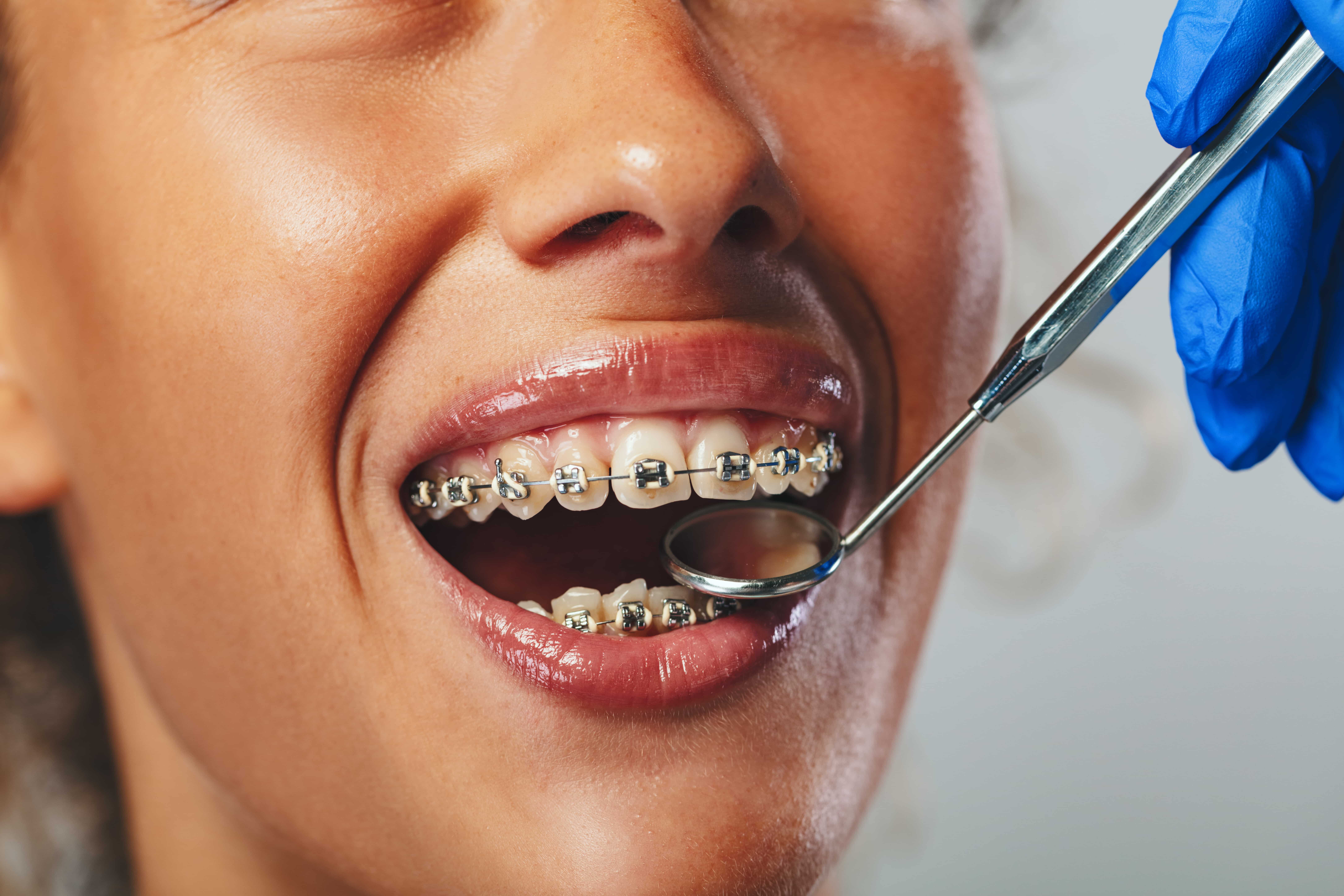
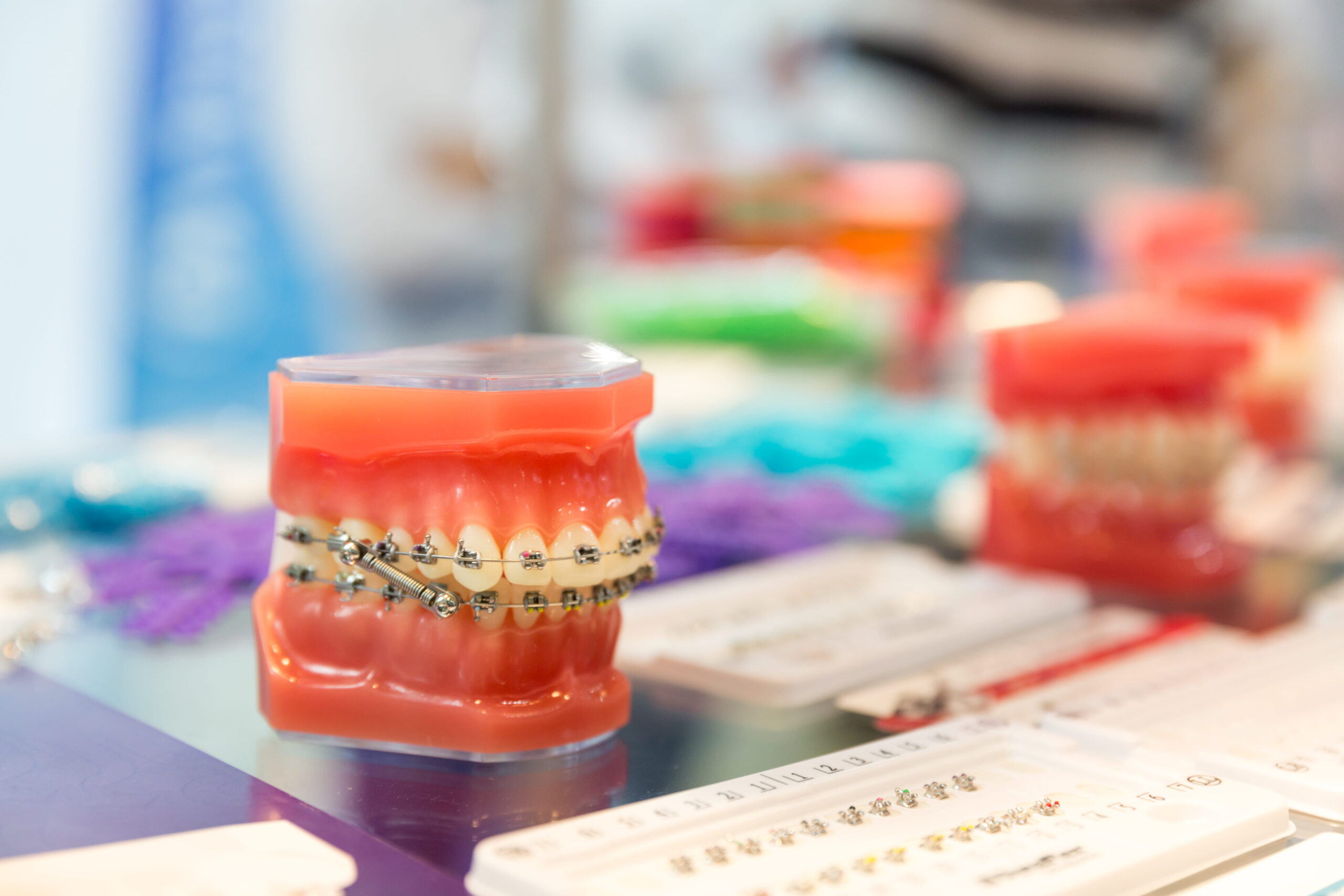
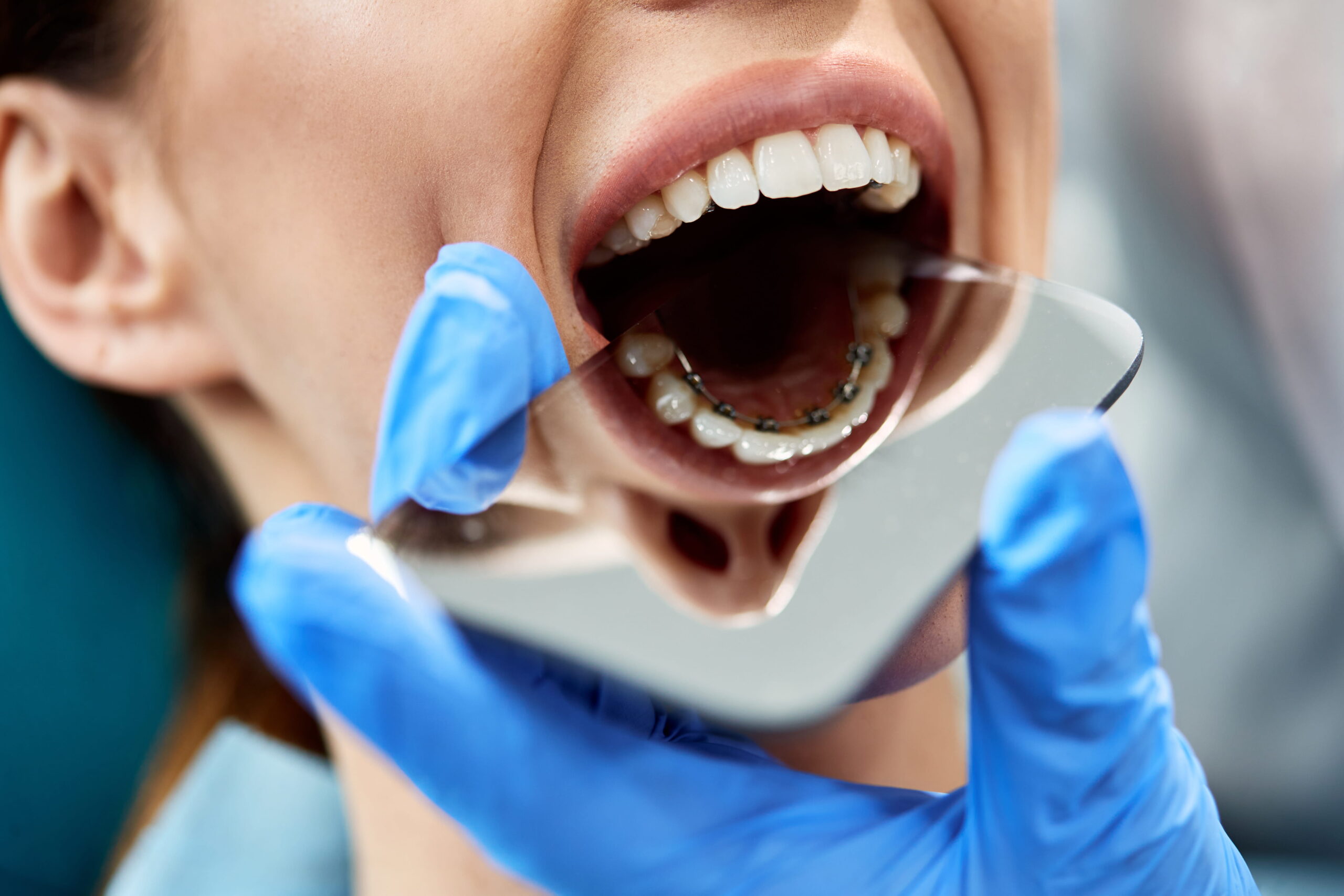
Traditional metal braces remain a reliable, cost-effective option for correcting a wide range of alignment and bite issues, and today’s brackets are noticeably smaller and less bulky than older versions.
Ceramic braces work the same way as metal braces but use tooth-colored or clear brackets, making them less visible — a common preference among image-conscious teens.
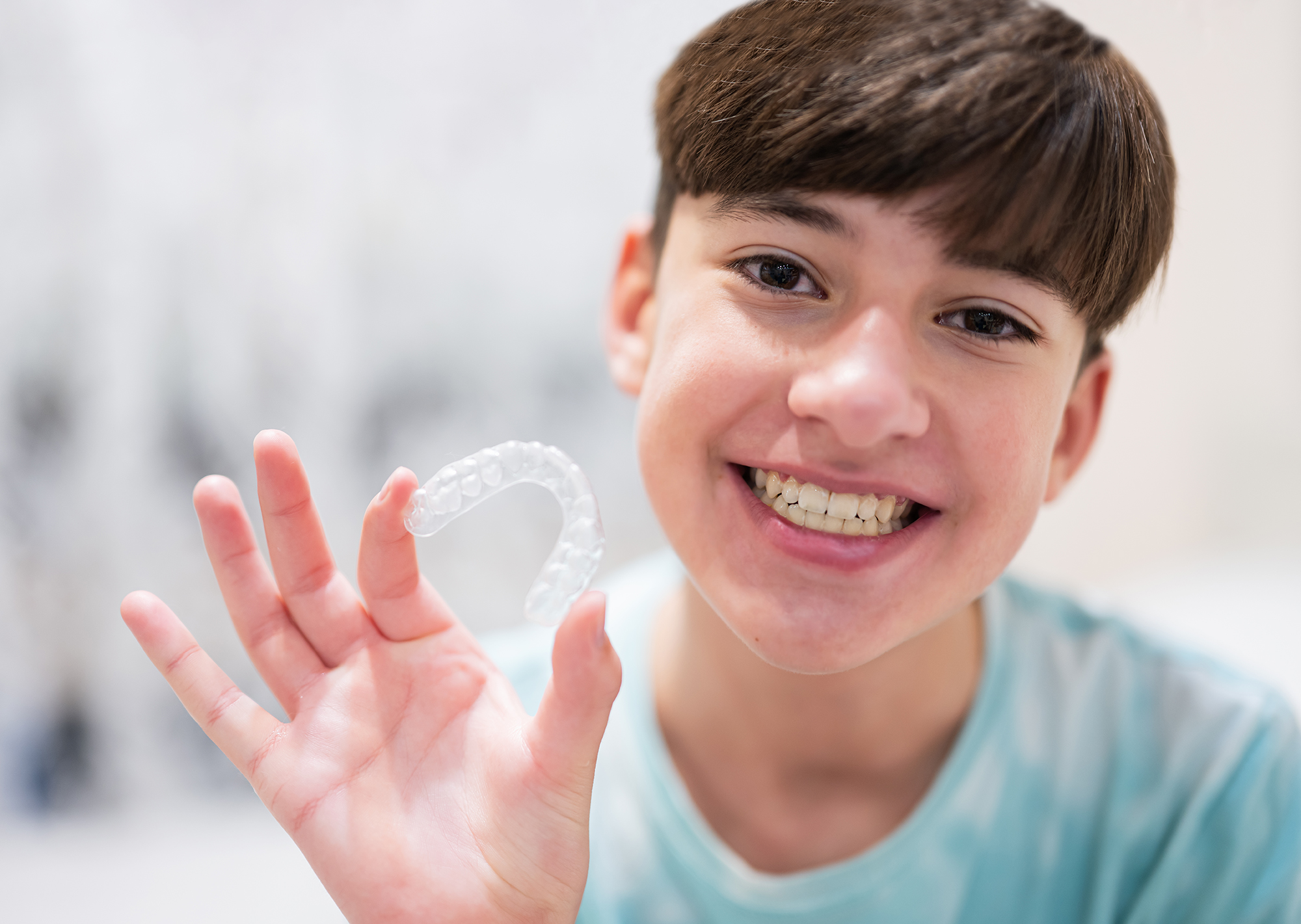
Clear aligners are removable, custom-fitted trays that gradually shift teeth into place. They tend to appeal to teens involved in sports or music, since they can be removed for eating, brushing, and certain activities, though they require the discipline to wear them consistently.
Our orthodontist, Dr. Sophie Jo, works with teens and their families to walk through these options and build a treatment plan suited to your teen’s specific bite, habits, and comfort level.
What to Expect During Treatment
Once treatment begins, most teens visit the office every four to eight weeks for adjustments, tightening, or new aligner trays. Some initial soreness after adjustments is normal and usually fades within a few days. Good oral hygiene becomes especially important during treatment — food particles and plaque can build up around brackets and wires more easily, so parents may need to reinforce brushing and flossing habits, and a water flosser can help reach tricky spots.
If your teen plays contact sports, a properly fitted mouthguard is worth discussing at your visits, since standard mouthguards may not fit well over braces.
How Long Does Teen Orthodontic Treatment Take?
Treatment length varies by case. Straightforward crowding or spacing issues may resolve in about a year, while more complex bite corrections can take closer to two years, followed by a period of retainer wear to hold the new position in place. Consistent attendance at adjustment appointments and following care instructions at home both play a real role in staying on schedule.
Choosing the Right Orthodontist near Freehold for Your Teen
Choosing where your teen gets treatment matters just as much as choosing the treatment itself. Look for a practice that takes time to explain the plan clearly, involves parents in decision-making, and has experience working specifically with adolescents — not just adults. Many families in Freehold also appreciate the convenience of a practice where a general dentist and orthodontist collaborate directly on a teen’s care, since it can mean fewer separate appointments and more coordinated treatment. You can read more about why local families choose our dental studio for orthodontic care.
Helping Your Teen Care for Their Smile During Treatment
A few habits go a long way during active treatment: brushing after meals, flossing daily (a floss threader or water flosser helps around wires), avoiding sticky or hard foods that can damage brackets, and keeping up with regular dental cleanings alongside orthodontic visits. Encouraging your teen to take ownership of these habits early tends to make the whole process smoother — and sets them up for a healthier smile long after the braces come off.
Frequently Asked Questions
What age should my teen see an orthodontist?
Most teens begin active treatment between ages 11 and 14, once most permanent teeth have erupted, though the right timing depends on individual dental development.
Are clear aligners as effective as braces for teens?
Clear aligners can effectively treat many alignment and spacing issues, but effectiveness depends on consistent wear and the complexity of the case. An orthodontic evaluation can help determine which option fits your teen best.
Will my teen need a retainer after braces?
Yes. Retainers help hold teeth in their new position after active treatment ends, since teeth can gradually shift back without one.
How much discomfort is normal with braces?
Mild soreness for a few days after adjustments is common and typically manageable with over-the-counter pain relief and soft foods; ongoing or severe pain should be discussed with your orthodontist.
Can my teen play sports with braces?
Yes, with a properly fitted mouthguard. Standard mouthguards often don’t fit well over brackets, so a custom option is usually recommended.
Does my teen need a referral from our family dentist to see an orthodontist?
Not necessarily — many families schedule an orthodontic evaluation directly, though your family dentist may also flag concerns during a routine checkup.
Ready to Schedule Your Teen’s Orthodontic Evaluation?
If you’re noticing signs that your teen may need orthodontic care, the best next step is an in-person evaluation. Our team at Adult & Pediatric Dental Studio welcomes families from Freehold, Marlboro, Monroe, Old Bridge, and Manalapan for consultations at our Manalapan Township office.