200 Bridge Plaza Dr, Manalapan Township, NJ 07726

Most parents don’t think about their child’s dental health until something goes wrong — a toothache at dinner, a cavity discovered at the last minute, or a child who dreads even sitting in the dental chair. But here’s what years of pediatric dental care show us: preventive dentistry for children isn’t just about avoiding cavities. It’s about setting up a lifetime of healthy teeth, confident smiles, and fewer dental emergencies down the road.
If you’re raising a family in Monroe, NJ, understanding what preventive pediatric care entails and when to start it can make all the difference.
Why Children’s Teeth Need a Proactive Approach
Baby teeth are often dismissed as temporary, but they’re doing critical work. Primary teeth hold space in the jaw for permanent teeth, support clear speech development, and allow children to chew food properly. When decay sets in early, and a tooth is lost too soon, it can throw off how the adult teeth come in, sometimes requiring orthodontic correction years later.
The American Dental Association (ADA) recommends that a child’s first dental visit happen within six months of their first tooth erupting, and no later than their first birthday. This early visit isn’t about drilling or filling — it’s about establishing a relationship with a dental provider, assessing risk factors, and giving parents practical guidance on home care.
Starting this early is what makes preventive care preventive.
What Preventive Dental Care for Kids Actually Includes
Preventive dentistry isn’t a single treatment — it’s a framework of coordinated care designed to protect oral health at every stage of development.
Routine Dental Exams and Cleanings
Regular checkups typically every six months allow your pediatric dentist to track tooth eruption patterns, check bite alignment, and catch early signs of decay before they become painful or expensive to treat. Professional cleanings remove tartar buildup that brushing at home simply can’t reach.
Dental Sealants
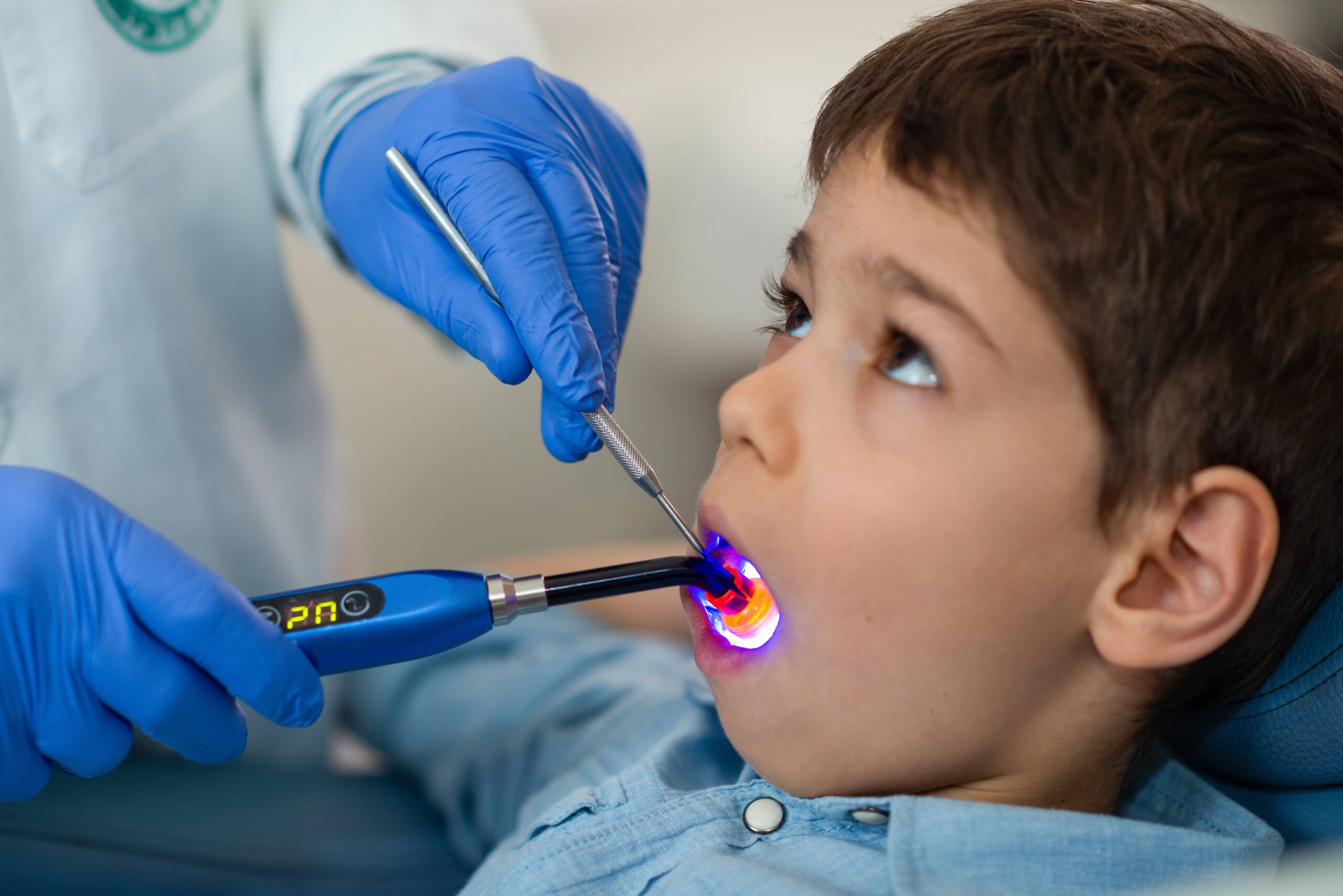
The back molars are notoriously difficult for children to clean thoroughly. Dental sealants are thin, protective coatings applied to the chewing surfaces of molars to seal out food particles and bacteria. According to the CDC, sealants can prevent up to 80% of cavities in the back teeth — where most childhood cavities occur.
They’re quick, painless, and one of the most cost-effective preventive tools available.
Fluoride Treatments
Fluoride strengthens tooth enamel and makes it more resistant to acid attacks from bacteria. In-office fluoride treatments — usually applied as a gel, foam, or varnish — supplement what your child gets from fluoridated water and toothpaste. These are particularly important during the years when permanent teeth are still developing.
Dental X-Rays
X-rays help dentists see what’s happening between teeth and beneath the gum line — decay that isn’t visible during a visual exam. With modern digital X-ray technology, radiation exposure is minimal and the diagnostic value is significant. Your pediatric dentist near monroe will determine how often X-rays are needed based on individual risk factors.
Oral Hygiene Instruction
One underrated part of preventive care is teaching children how to brush and floss effectively. At Adult & Pediatric Dental Studio, our team takes time during each visit to reinforce proper technique in a way that’s age-appropriate and engaging — because a child who enjoys brushing will actually do it.
The Connection Between Diet and Children’s Oral Health
What your child eats directly affects their dental health. Sugary snacks and acidic drinks — juice, soda, even sports drinks — feed the bacteria that produce enamel-eroding acids. Frequent snacking, especially on sticky or sugary foods, keeps teeth in a prolonged state of acid exposure.
Some practical guidance:
- Limit juice — even 100% fruit juice contains concentrated natural sugars. Water is always the better choice.
- Avoid gummy vitamins and fruit snacks that cling to teeth.
- Encourage water after meals when brushing isn’t immediately possible.
- Make fresh fruits, vegetables, and dairy a regular part of meals — these actually support tooth health.
Preventive visits give your dentist an opportunity to review your child’s diet and offer specific recommendations based on what they’re seeing clinically.
When to Start Thinking About Orthodontic Screening
Preventive care goes beyond cavity prevention. Around age 7, the ADA recommends an orthodontic evaluation to identify bite issues, crowding, or jaw development concerns early. Addressing these during the growth years — when the jaw is still malleable — often leads to simpler treatment and better long-term outcomes than waiting until adolescence.
Your child’s dentist may refer you to an orthodontist for a consultation or monitor the situation over time during regular visits.
Building a Positive Relationship With the Dentist
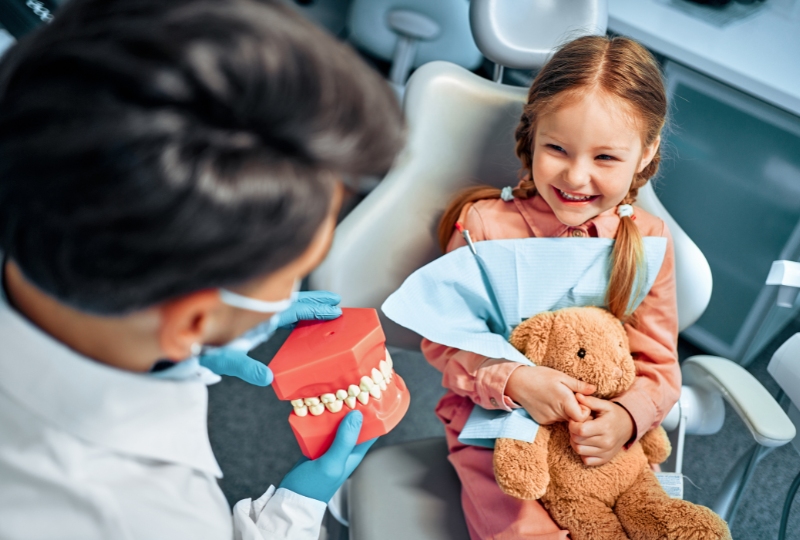
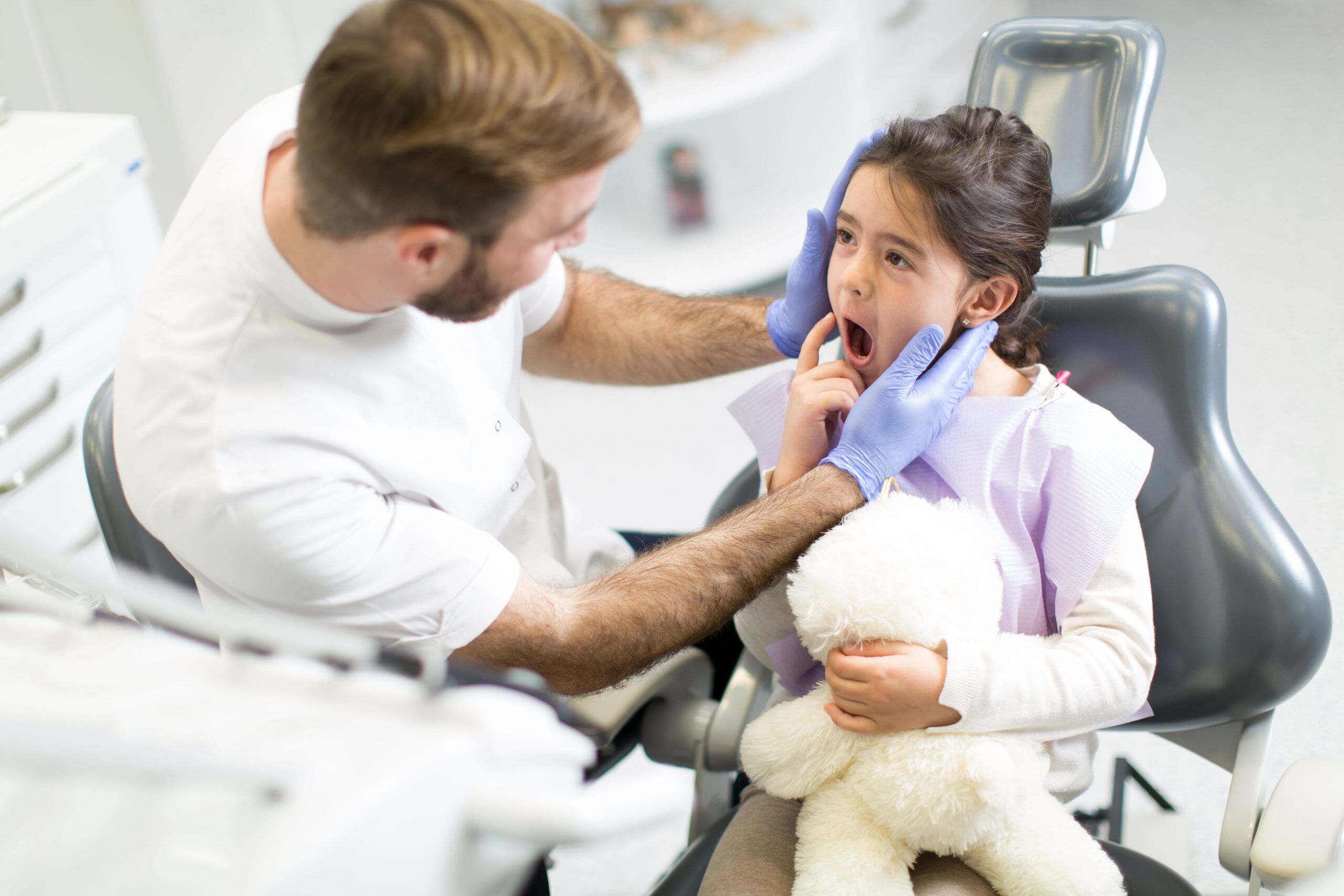
Dental anxiety in adults often traces back to a difficult childhood experience. Preventive care visits — when they’re calm, routine, and positive — build trust between your child and their dental team. Over time, children who see the dentist regularly tend to feel comfortable, cooperative, and willing to communicate about discomfort or concerns.
This matters. A child who feels safe at the dentist is far more likely to maintain regular care as an adult.
At Adult & Pediatric Dental Studio, we’ve made it a priority to create an environment where kids feel at ease from the moment they walk in.
How Often Should Children See the Dentist?
For most children, twice-yearly visits are the standard recommendation. However, children with higher cavity risk — those with deeper grooves in their teeth, lower fluoride exposure, or dietary habits that increase decay risk — may benefit from more frequent monitoring or additional preventive treatments.
Your child’s dentist will help determine the right schedule based on their individual needs, not a one-size-fits-all protocol.
Finding a Pediatric Dentist near Monroe, NJ
If you’re searching for a pediatric dentist serving Monroe, NJ, the most important factor is finding a provider who is experienced with children, patient-centered, and focused on prevention rather than reaction.
At Adult & Pediatric Dental Studio, we serve families throughout Monroe and the surrounding communities with comprehensive preventive and restorative pediatric care. Whether this is your child’s first visit or you’re looking to establish care with a new dental home, we’re here to make it easy.
You can get started by completing our new patient forms online before your visit — so you spend less time on paperwork and more time getting the care you came for.
The Long-Term Value of Starting Early
The data is clear: children who receive regular preventive dental care have fewer cavities, fewer dental emergencies, and lower lifetime dental costs than those who only seek care when problems arise. More importantly, they grow up with healthy habits that carry into adulthood.
Preventive dentistry for children is one of the most practical investments a parent can make — not just for their child’s oral health, but for their overall confidence and wellbeing.
The earlier you start, the easier it is to stay ahead.
FAQs
Q1: At what age should a child first see a dentist?
The American Dental Association recommends scheduling a child’s first dental visit within six months of their first tooth appearing, or by their first birthday — whichever comes first. Starting early helps establish healthy habits and allows the dentist to identify any concerns during critical development windows.
Q2: Are dental sealants safe for children?
Yes. Dental sealants are considered safe and are endorsed by major health organizations including the ADA and CDC. They are made from thin resin material applied to the chewing surfaces of back teeth, creating a physical barrier against bacteria and food. The procedure is quick, painless, and highly effective at preventing cavities in molars.
Q3: How often should children visit the dentist for preventive care?
Most children benefit from dental checkups every six months. However, a dentist may recommend more frequent visits for children with a higher risk of tooth decay based on their diet, oral hygiene habits, or tooth anatomy. Your child’s dental provider will tailor a schedule to their individual needs.
Q4: What is the difference between a pediatric dentist and a general dentist?
A pediatric dentist completes two to three additional years of specialty training after dental school, focused specifically on the oral health of infants, children, adolescents, and individuals with special needs. They are trained in child behavior management and developmental dental issues. A general dentist may see children as well, but a pediatric specialist brings focused expertise in childhood oral health.
Q5: Does preventive dental care actually save money long term?
Yes — significantly. Routine preventive visits, sealants, and fluoride treatments cost a fraction of what restorative work like fillings, crowns, or extractions requires. Studies consistently show that every dollar invested in preventive dental care saves multiple dollars in future treatment costs. Establishing care early is one of the most cost-effective health decisions a family can make.