200 Bridge Plaza Dr, Manalapan Township, NJ 07726
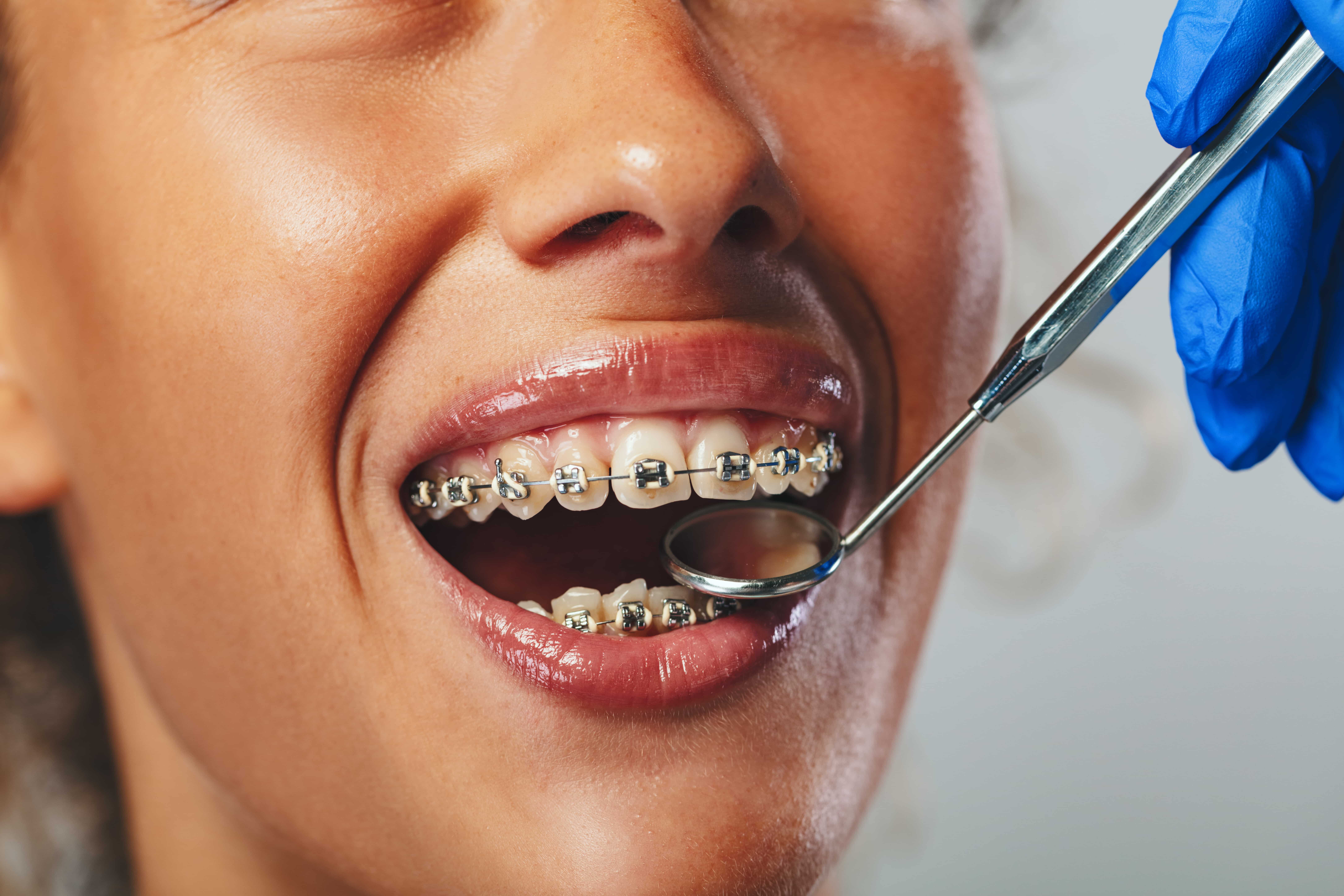
Getting braces is a big step toward a healthier, better-aligned smile, but caring for braces requires a little more effort than your normal dental routine. Brackets and wires create extra places where food and plaque can collect, making thorough brushing and flossing especially important. Your diet matters, too, because hard, sticky, or overly crunchy foods can damage orthodontic appliances.
For teens receiving adolescent orthodontics at Adult & Pediatric Dental Studio in Manalapan Township, NJ, understanding these daily habits can make orthodontic treatment easier to manage. The goal isn’t to avoid every favorite food or spend all day thinking about your braces. It’s to build a simple routine you can actually follow.
Why Caring for Braces Matters
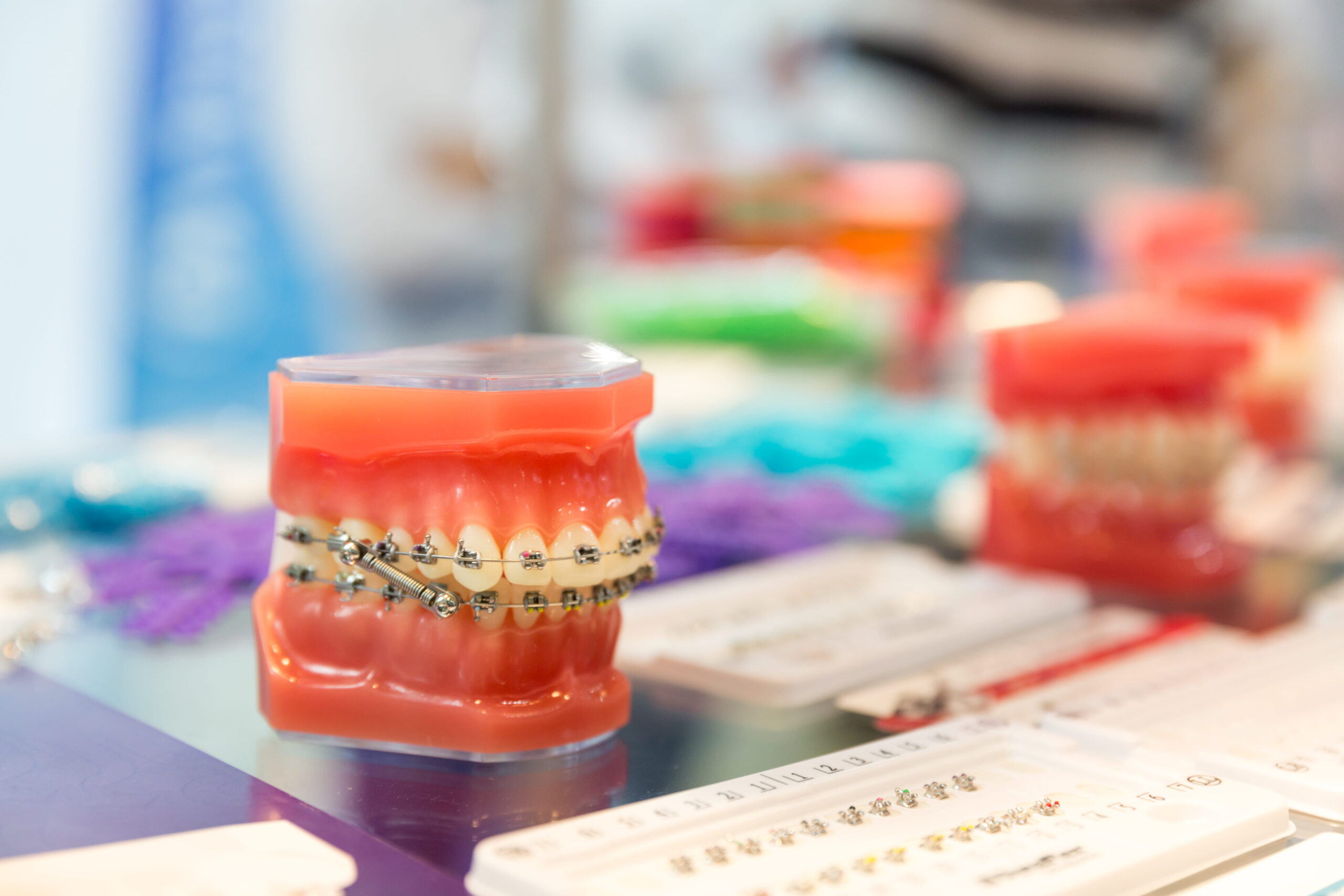
Traditional braces use brackets and wires to gradually move permanent teeth into better positions. Adult & Pediatric Dental Studio explains that adolescent orthodontic treatment can be planned around a child’s individual needs and growth patterns, with comprehensive braces treatment used once the permanent teeth are in and the jaw has developed.
Because braces add brackets, wires, and other areas that can trap debris, keeping teeth clean becomes more challenging. Plaque left around brackets may contribute to cavities, gum irritation, bad breath, and white marks on teeth. The American Association of Orthodontists also recommends paying particular attention to cleaning around orthodontic appliances.
For a teen, the most important habits are straightforward:
- Brush thoroughly and consistently.
- Clean between teeth every day.
- Pay attention to the areas around brackets and along the gumline.
- Choose foods that won’t damage brackets or wires.
- Keep orthodontic appointments and follow personalized instructions.
How to Brush Your Teeth With Braces
Brushing with braces isn’t simply about running a toothbrush over the front of your teeth. Brackets create areas above and below the wire where plaque can remain hidden.
A practical routine is to use a soft-bristled toothbrush and fluoride toothpaste, paying attention to the gumline, the tooth surface around each bracket, and the areas underneath the orthodontic wire. The Adult & Pediatric Dental Studio team recommends brushing twice daily as part of good oral hygiene, while orthodontic guidance may call for more frequent cleaning during treatment.
The American Association of Orthodontists recommends brushing for about two minutes and notes that patients may benefit from brushing after meals or snacks when possible.
A simple teen-friendly brushing routine
- Use fluoride toothpaste and a soft-bristled toothbrush.
- Gently clean along the gumline.
- Brush around the top and bottom edges of each bracket.
- Clean the chewing surfaces of your teeth.
- Brush the inside surfaces of your teeth.
- Spend enough time to clean all areas rather than rushing.
- Replace your toothbrush or brush head when the bristles become worn.
If you have braces and frequently struggle to clean around brackets, ask your dental or orthodontic team which additional cleaning tools are appropriate for your appliance.
Flossing With Braces: Don’t Skip the Hard-to-Reach Areas
Flossing can feel inconvenient when a wire runs across your teeth, but it is one of the most important parts of caring for braces.
A toothbrush cannot effectively clean every space between teeth. Flossing removes plaque and food debris from areas that brushing alone may miss. The American Association of Orthodontists recommends flossing at least once a day during orthodontic treatment.
Teens may find that an orthodontic flossing aid, interdental brush, or water flosser makes cleaning easier. Adult & Pediatric Dental Studio also notes that water flossers can be particularly useful for people with braces or other dental appliances.
The key is consistency. A quick daily flossing routine is more useful than waiting until food becomes visibly stuck between your teeth.
What Can You Eat With Braces?
Having braces doesn’t mean giving up eating normally. It does mean becoming more thoughtful about what you bite into and how you eat it.
Hard, sticky, crunchy, and chewy foods can damage brackets or wires. The ADA specifically advises people with braces to be cautious with foods such as popcorn, corn on the cob, chewing gum, whole apples, and sticky foods.
The AAO similarly recommends avoiding hard and sticky foods and cutting fruits and vegetables into smaller pieces rather than biting directly into them.
Better choices and smarter habits
Instead of biting directly into a whole apple, slice it into smaller pieces. Cut corn from the cob rather than biting into the cob. If a food is particularly hard or crunchy, consider a softer alternative.
After an orthodontic adjustment, teeth may temporarily feel sore. Adult & Pediatric Dental Studio recommends soft foods such as yogurt, pasta, mashed potatoes, smoothies, and soups during this period.
It’s also wise to limit sugary drinks and frequent sugary snacks. Adult & Pediatric Dental Studio emphasizes balanced nutrition, limiting between-meal snacking, and choosing water over sugary beverages as part of maintaining children’s oral health.
Don’t Forget About Drinks
Soda, sports drinks, energy drinks, and other sugary or acidic beverages can make maintaining healthy teeth more difficult during orthodontic treatment.
Water is a simple everyday choice that helps rinse food debris from the mouth. If you’ve had a sugary beverage and can’t brush immediately, rinsing with water can help remove some residue. The AAO specifically recommends water and advises limiting sugary beverages during orthodontic treatment.
If you’ve consumed an acidic food or drink, remember that brushing immediately afterward isn’t always ideal. Adult & Pediatric Dental Studio recommends waiting before brushing after acidic foods and drinks, allowing saliva time to help neutralize acids.
What Should You Do If a Bracket or Wire Breaks?
Even careful teens can occasionally experience a loose bracket or wire.
Don’t try to repair orthodontic appliances yourself. Instead, contact your dental or orthodontic team and explain what happened. The AAO recommends contacting the orthodontist promptly when a bracket or wire becomes loose or broken because damaged appliances may interfere with treatment.
Orthodontic wax may temporarily protect irritated cheeks or lips from a sharp edge while you wait for professional guidance. Adult & Pediatric Dental Studio also recommends orthodontic wax as one way to manage irritation following adjustments.
Make Braces Care Part of Your Teen Routine
The easiest way to stay consistent is to connect braces care with habits you already have.
Keep a small orthodontic care kit in your backpack containing:
- A travel toothbrush
- Fluoride toothpaste
- Dental floss
- An interdental brush or other recommended cleaning tool
- Orthodontic wax
- Extra elastics if prescribed
This is especially useful for teens who eat lunch at school, participate in sports, or spend afternoons away from home. The AAO recommends keeping necessary cleaning supplies available when you’re away from home.
Most importantly, don’t let a busy schedule turn into missed orthodontic appointments. At Adult & Pediatric Dental Studio, treatment planning is individualized based on the patient’s needs and growth pattern.
The practice’s orthodontic care is supported by Dr. Sophie Jo, DDS, who completed specialty training in Orthodontics and Dentofacial Orthopedics at Temple University, including advanced training in braces, clear aligners, orthopedic/functional appliances, and surgical orthodontics. Her approach emphasizes personalized treatment plans for children, teens, and adults.
A healthier braces routine starts with consistency
Caring for braces doesn’t have to be complicated. Brush thoroughly, floss every day, clean around brackets, choose foods carefully, drink plenty of water, and report damaged appliances promptly.
For teens in Manalapan Township and nearby communities, these simple habits can help protect the teeth and gums while orthodontic treatment works toward improved alignment and function.
If you’re considering adolescent orthodontics or your teen is already preparing for braces, the best is schedule appointment with us for specific treatment plan and appliance.
FAQs
How often should you brush your teeth with braces?
In general, brush for about two minutes using fluoride toothpaste and clean thoroughly around the brackets and gumline. During orthodontic treatment, brushing after meals is recommended when practical, in addition to your regular routine.
How often should you floss with braces?
Floss at least once a day. Flossing removes plaque and food particles from between teeth where a toothbrush cannot effectively reach.
What foods should teens avoid with braces?
Avoid hard, sticky, crunchy, and chewy foods that can damage brackets or wires. Examples include popcorn, hard candy, chewing gum, nuts, and foods that require biting directly into hard surfaces.
Can you eat normally after getting braces?
Yes. Most teens can continue eating many familiar foods, but they may need to modify how foods are prepared. Softer foods are often more comfortable immediately after braces are placed or adjusted, while hard foods should be avoided or modified.
What should I do if my braces break?
Contact your dental or orthodontic team promptly if a bracket or wire becomes loose or broken. Don’t attempt to repair the appliance yourself. Orthodontic wax can temporarily protect irritated soft tissues from sharp edges while you wait for professional guidance.