200 Bridge Plaza Dr, Manalapan Township, NJ 07726
Having your braces removed is an exciting milestone, but it does not mean your orthodontic journey is completely over. If you’re wondering what happens after braces come off, the next stage focuses on keeping your teeth in their corrected positions and maintaining good oral health. For teens completing adolescent orthodontics at Adult & Pediatric Dental Studio in Manalapan, NJ, post-treatment care is an important part of protecting the results achieved during orthodontic treatment.
Teeth can naturally shift over time, which is why retainers are commonly used after active orthodontic treatment. Your orthodontist will determine the appropriate retainer and provide instructions based on your individual treatment and alignment.
What Happens After Braces Come Off?
When braces are removed, your teeth have reached the positions planned during treatment, but they still need time and support to stabilize. The tissues and bone surrounding the teeth adapt as the teeth settle into their new positions.
This is where retention becomes important. According to the American Association of Orthodontists, retainers help maintain the positions achieved through orthodontic treatment and reduce unwanted tooth movement.
Your post-braces process may include:
- Removing the brackets and wires
- Checking the teeth and bite
- Taking impressions or a digital scan when a retainer is needed
- Providing a removable or fixed retainer based on the treatment plan
- Giving instructions for wearing and caring for the retainer
- Scheduling appropriate follow-up care
The exact process can vary because orthodontic treatment is customized according to the patient’s teeth, bite, growth patterns, and treatment needs.
Why Do You Need a Retainer After Braces?
One of the most important things to understand about what happens after braces come off is that teeth do not automatically stay perfectly still.
Teeth can shift because the structures surrounding them continue to change. The American Association of Orthodontists explains that bone remodeling is part of the reason teeth can move after orthodontic treatment. Retainers provide support while helping maintain the corrected alignment.
Retainers may be:
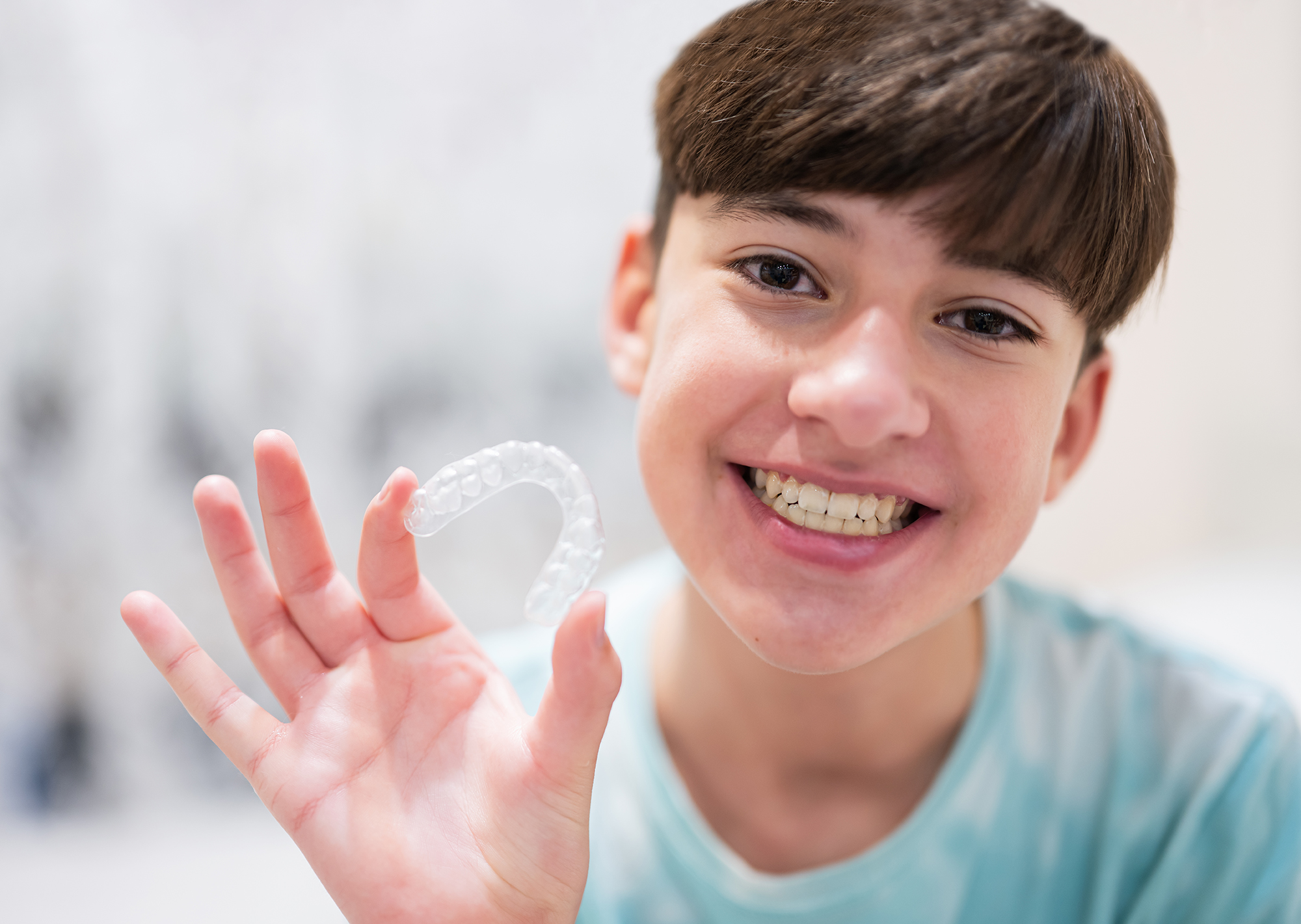
- Removable: Taken out for eating and cleaning according to your orthodontist’s instructions.
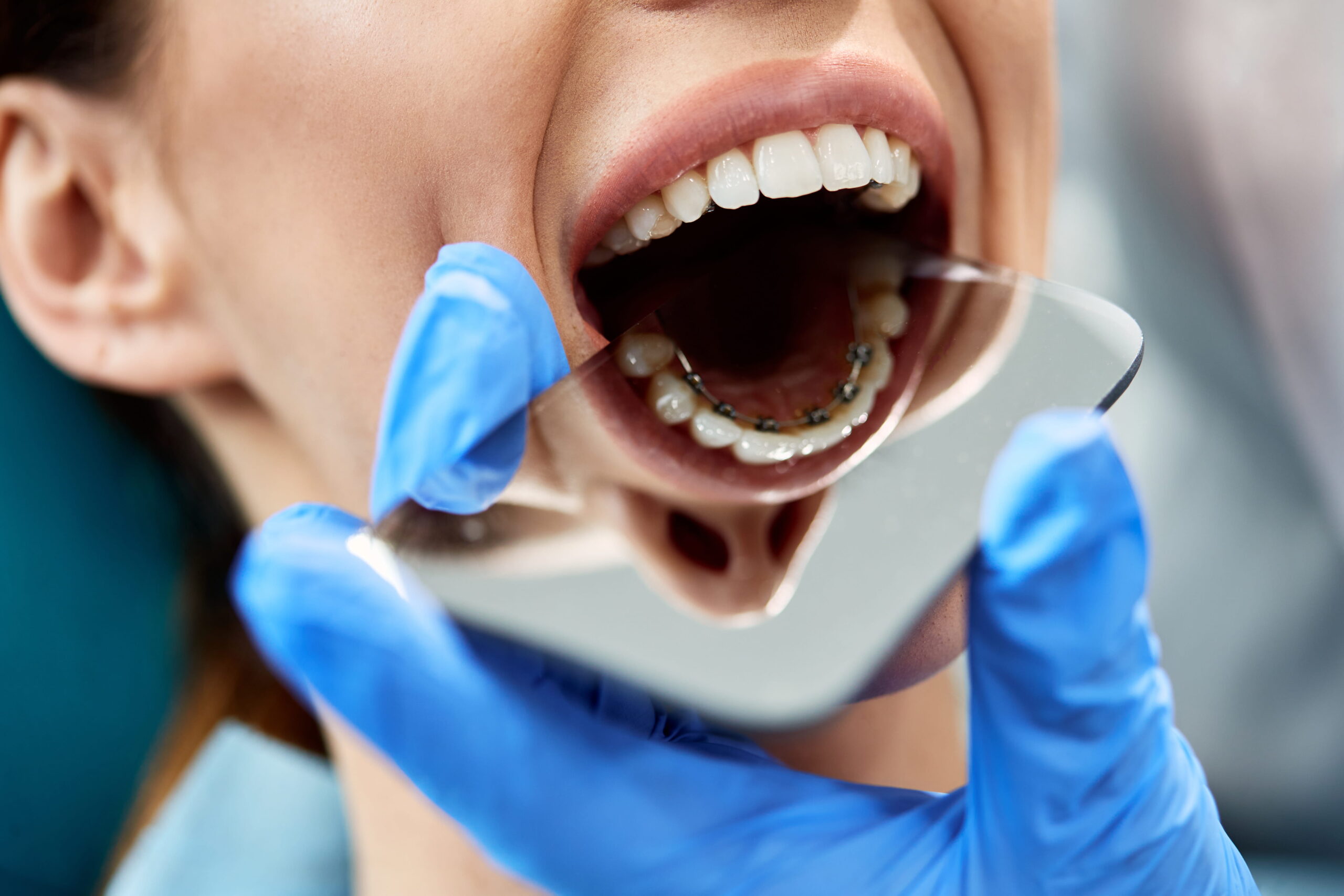
- Fixed or bonded: Attached to the back surfaces of teeth to provide ongoing support.
Neither option is automatically right for every patient. Retainer selection and wearing instructions should be based on the individual treatment plan.
Adult & Pediatric Dental Studio’s orthodontic services are designed around customized treatment planning for adolescents and adults, with treatment approaches selected according to the patient’s needs and growth patterns.
How Long Do You Have to Wear a Retainer?
There isn’t one universal wearing schedule that applies to every patient.
Your orthodontist may initially recommend more frequent retainer wear and later adjust the schedule, potentially transitioning to nighttime use. The American Association of Orthodontists notes that long-term, and often lifelong, retainer use is generally necessary to minimize unwanted tooth movement.
For teens, consistency matters. School schedules, sports, travel, sleepovers, and busy routines can make it easy to forget a removable retainer.
A simple routine can help:
- Keep the retainer in its protective case whenever it is not being worn.
- Follow the wearing schedule provided by your orthodontist.
- Clean the retainer according to the instructions provided for its specific material.
- Avoid exposing removable retainers to heat that could damage or distort them.
- Tell your orthodontic team if the retainer becomes damaged or no longer fits properly.
What If You Stop Wearing Your Retainer?
Skipping retainer wear can allow teeth to move. If enough time passes, a previously comfortable retainer may become tight or may no longer fit correctly.
Do not force a retainer into place if it causes significant discomfort or does not fit properly. Instead, contact your orthodontic provider so the situation can be evaluated. A replacement retainer or additional orthodontic treatment may sometimes be necessary when significant movement has occurred.
This is one reason post-treatment care deserves the same attention as the active braces phase.
If your teen is still wearing braces, following proper daily habits before removal can also make the transition to retention easier. Our guide to caring for braces during the teenage years covers practical habits that support orthodontic care.
Long-Term Oral Care Still Matters After Braces
Retainers are only one part of protecting a finished orthodontic result. Your teeth and gums still need regular preventive care.
After braces come off, continue to:
- Brush thoroughly and consistently.
- Clean between the teeth.
- Keep up with recommended dental visits.
- Follow your orthodontist’s retainer instructions.
- Pay attention to changes in your bite or tooth alignment.
- Report a damaged, loose, or poorly fitting retainer.
This is particularly important because orthodontic treatment is part of a larger approach to oral health. Adult & Pediatric Dental Studio provides orthodontic care alongside general and pediatric dentistry at its Manalapan office, allowing families to address different dental needs within the same practice.
What If Your Teeth Start Shifting After Braces?
A small change in how your teeth look or how your retainer fits should not automatically be ignored.
Watch for signs such as:
- Your retainer suddenly feeling unusually tight
- A retainer no longer seating properly
- Noticeable spacing or crowding
- A change in how your upper and lower teeth meet
- Changes in your bite or chewing comfort
These changes do not necessarily mean that orthodontic treatment has failed. However, they are reasons to contact your orthodontic team for an assessment.
If teeth have shifted substantially, the appropriate next step depends on the extent of movement. In some situations, a new or adjusted retainer may be appropriate; in others, additional orthodontic treatment may be considered.
Post-Treatment Care Starts With the Right Orthodontic Plan
Understanding what happens after braces come off can make the final stage of treatment much less confusing. Braces create the movement needed to correct alignment and bite concerns, while retention helps maintain those results.
At Adult & Pediatric Dental Studio, adolescent orthodontic treatment is customized according to a child’s needs and growth patterns. The practice provides orthodontic care in Manalapan for adolescents and adults, with treatment plans designed around individual circumstances.
If you’re considering braces for your teen, understanding the full treatment process—from the initial evaluation through active treatment and retention—can help you make informed decisions. You can also review our guide on what to expect at your first braces appointment before starting treatment.
For families in Manalapan, Marlboro, Freehold, Old Bridge, Monroe, Englishtown, and surrounding communities visit Adult & Pediatric Dental Studio, we provide orthodontic, pediatric, general, and cosmetic dental care in one location.
Keeping Your New Smile on Track
So, what happens after braces come off? The brackets and wires may be gone, but retention and long-term oral care become the priority. Wearing your retainer as instructed, caring for it properly, maintaining healthy teeth and gums, and addressing changes early can all help support your orthodontic results.
The most important point is simple: finishing braces is a milestone, not the end of maintenance. Your retainer and follow-up care are part of protecting the alignment you worked to achieve.
Ready to plan the next stage of your teen’s orthodontic care? Schedule a consultation with Adult & Pediatric Dental Studio in Manalapan to discuss your child’s orthodontic needs, treatment options, and long-term care plan.
FAQs
How long do you have to wear a retainer after braces?
Retainer schedules vary by patient. Your orthodontist will provide specific instructions, and long-term retainer wear is commonly needed to minimize unwanted tooth movement.
Can teeth move after braces come off?
Yes. Teeth can naturally shift after orthodontic treatment because the surrounding bone and tissues continue to remodel. Retainers help maintain the corrected positions.
What happens if my retainer no longer fits?
Do not force a retainer that does not fit properly or causes pain. Contact your orthodontic provider for an evaluation. A replacement or adjustment may be necessary.
Are retainers removable or fixed?
Retainers can be removable or fixed. The appropriate type depends on factors such as your orthodontic treatment and individual alignment needs.
Is orthodontic care finished when braces are removed?
Not completely. Removing braces marks the end of active tooth movement, but retention and ongoing oral care are important for maintaining the treatment results.