200 Bridge Plaza Dr, Manalapan Township, NJ 07726
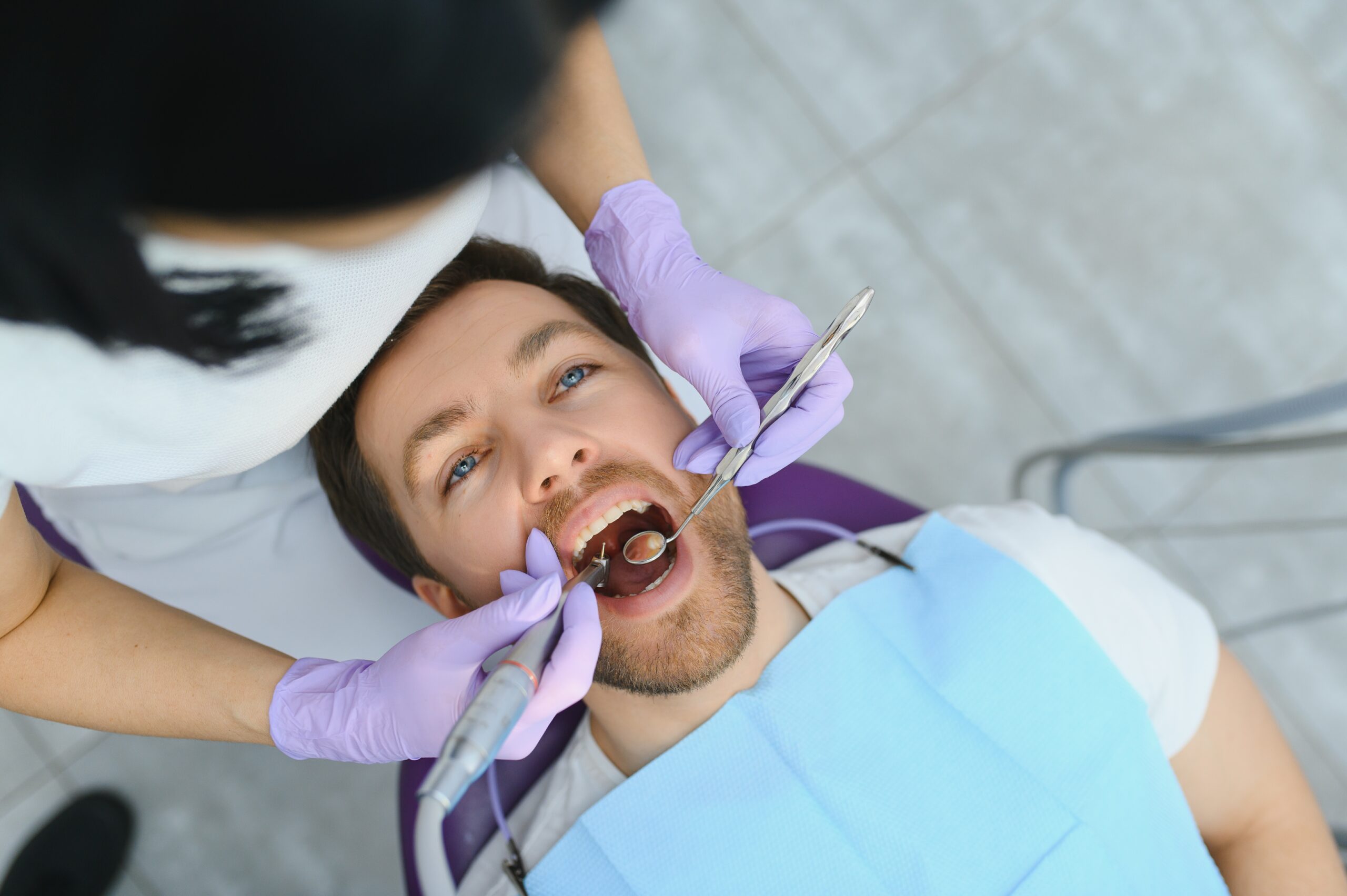
If you wake up with a sore jaw, tension headaches, or a clicking sound every time you chew, you already know how disruptive TMJ pain can be. You may have also come across Botox for TMJ as a possible solution and wondered whether it’s a legitimate treatment or just another wellness trend. The short answer: for the right patient, Botox can meaningfully ease the muscle tension behind TMJ symptoms. At Adult & Pediatric Dental Studio in Manalapan, NJ, we offer Botox TMJ therapy as one option among our advanced dental techniques for patients who haven’t found lasting relief elsewhere.
This guide walks through how Botox works for TMJ disorder, who tends to benefit most, what the treatment actually involves, and what realistic results look like.
What Is TMJ Disorder, Exactly?
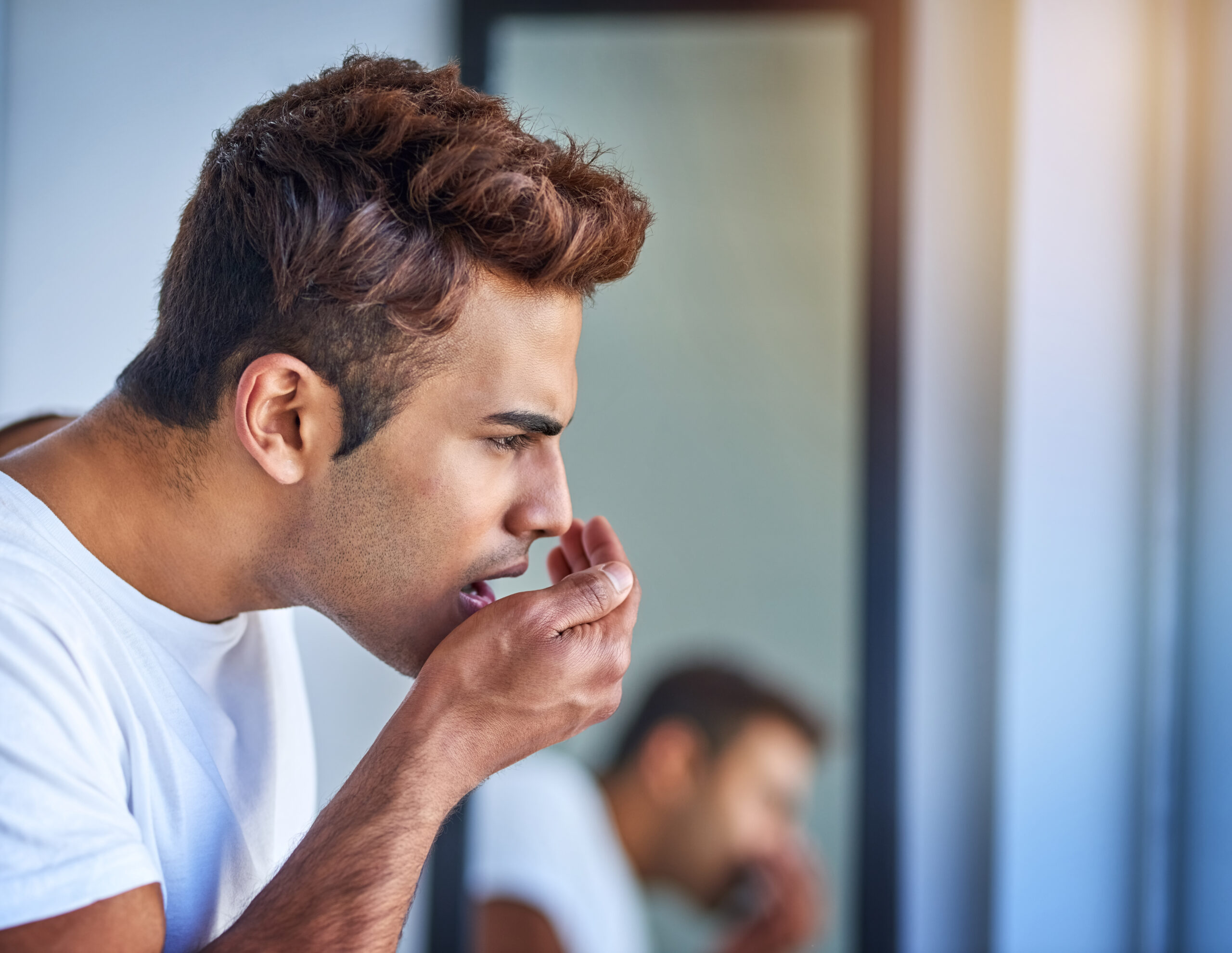
TMJ (temporomandibular joint) disorder affects the joints and muscles that connect your jaw to your skull. It can develop from teeth grinding, clenching, bite misalignment, jaw injury, or chronic stress. Common symptoms include:
- Jaw pain or soreness, especially in the morning
- Frequent tension headaches or migraines
- Clicking, popping, or locking of the jaw
- Facial muscle fatigue or tightness
- Difficulty opening the mouth fully
These symptoms often overlap with bruxism (teeth grinding) and bite irregularities, which is why an accurate diagnosis matters before choosing a treatment path.
How Does Botox for TMJ Work?
Botox is best known for cosmetic use, but it also has a functional application in dentistry. When injected directly into the masseter and temporalis muscles — the main muscles responsible for chewing and clenching — Botox temporarily relaxes overactive muscle contractions. This reduces the excess tension and clenching that contribute to jaw pain, headaches, and discomfort. Because it targets the muscular root of the problem rather than just masking pain, many patients notice a meaningful reduction in symptoms.
It’s worth setting accurate expectations: Botox for TMJ is not a permanent fix, and results vary from patient to patient. It’s typically considered for people who haven’t responded well to more conservative approaches, and effects are temporary, which is why it’s usually incorporated into a broader jaw health plan rather than used as a standalone cure.
Who Is a Good Candidate for Botox TMJ Therapy?
Not everyone with jaw discomfort needs Botox right away. Good candidates typically include patients who:
- Experience jaw pain, frequent headaches, or facial soreness that hasn’t improved with other treatments
- Grind or clench their teeth, particularly at night
- Have tried a night guard or bite adjustment without full relief
- Want a minimally invasive option before considering more involved interventions
A consultation is the best way to determine whether Botox TMJ therapy is appropriate for your specific symptoms, since TMJ pain can have several underlying causes that call for different treatment combinations.
What to Expect During Treatment
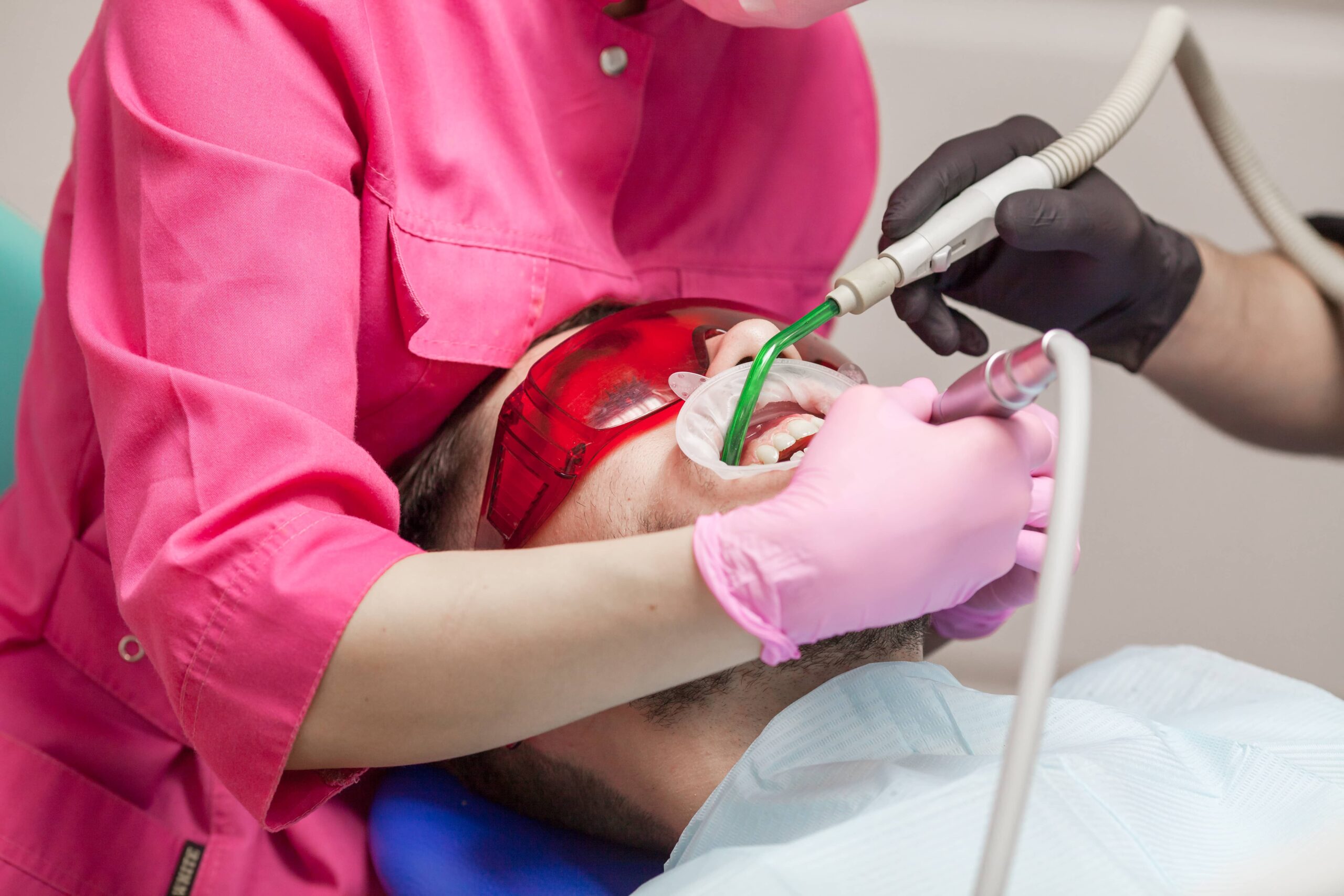
Botox for TMJ is an in-office, outpatient procedure that doesn’t require downtime. The treatment involves a series of small injections placed into the jaw muscles most associated with clenching and tension. Most patients describe the sensation as similar to a quick pinch, and you can typically return to normal activities the same day.
Results aren’t immediate — muscle relaxation generally builds over the days following treatment, and many patients notice a difference in tension and pain levels within the following week or two. Because Botox is a temporary muscle relaxant, follow-up treatments are usually needed to maintain results over time.
Botox TMJ Therapy vs. Other TMJ Treatments
Botox is one option within a range of TMJ management strategies, and it’s often most effective when paired with — not used instead of — other care. For patients whose jaw pain stems from bruxism, a custom night guard may reduce nighttime clenching and protect the teeth from wear. If your jaw discomfort is related to bite irregularities, addressing the underlying alignment may offer more lasting relief; our comprehensive orthodontic treatment can help correct bite issues that contribute to ongoing jaw strain.
Some patients also explore lifestyle and physical therapy approaches first. If you’re curious about non-invasive ways to support jaw alignment before considering injections, our earlier post on correcting jaw misalignment without surgery covers exercises and posture strategies worth discussing with your dentist.
Is Botox for TMJ Safe?
When administered by a trained provider, Botox injections for TMJ are considered a minimally invasive procedure with a well-established safety profile in dentistry. As with any injection-based treatment, mild and temporary side effects — such as soreness at the injection site or slight muscle fatigue while chewing — are possible. Your dentist will review your health history and current symptoms during your consultation to confirm whether this treatment fits your needs.
Finding Jaw Pain Relief in Manalapan, NJ
TMJ pain shouldn’t be something you just live with. Whether your discomfort comes from clenching, bite alignment, or ongoing muscle tension, our team at Adult & Pediatric Dental Studio can help you find the right combination of treatments — including Botox for TMJ — to get lasting relief. Visit our clinic; we proudly serve patients throughout Manalapan, Freehold, Marlboro, Monroe Township, Old Bridge, and the surrounding Monmouth and Middlesex County communities.
If jaw pain, headaches, or clenching have been affecting your daily life, a conversation with our team is the best next step toward understanding your options.
FAQs
Does Botox for TMJ really work?
For many patients, yes — Botox can reduce the muscle tension and clenching that drive TMJ pain, though results and duration vary by individual, and it works best as part of a broader treatment plan.
How long does Botox for TMJ last?
Results are temporary and typically build over the days following treatment, with follow-up injections usually needed to maintain relief over time.
Is Botox for TMJ covered by insurance?
Coverage varies by provider and plan since TMJ-related Botox is often considered outside standard dental benefits. Our team can help you understand your options during a consultation.
What’s the difference between a night guard and Botox for TMJ?
A night guard protects the teeth from grinding and can reduce clenching-related strain, while Botox directly relaxes the jaw muscles. Many patients use both as part of a combined approach.
Who should avoid Botox for TMJ treatment?
Patients with certain neuromuscular conditions or those who are pregnant or breastfeeding are generally not candidates. A full health history review during consultation will confirm eligibility.