200 Bridge Plaza Dr, Manalapan Township, NJ 07726
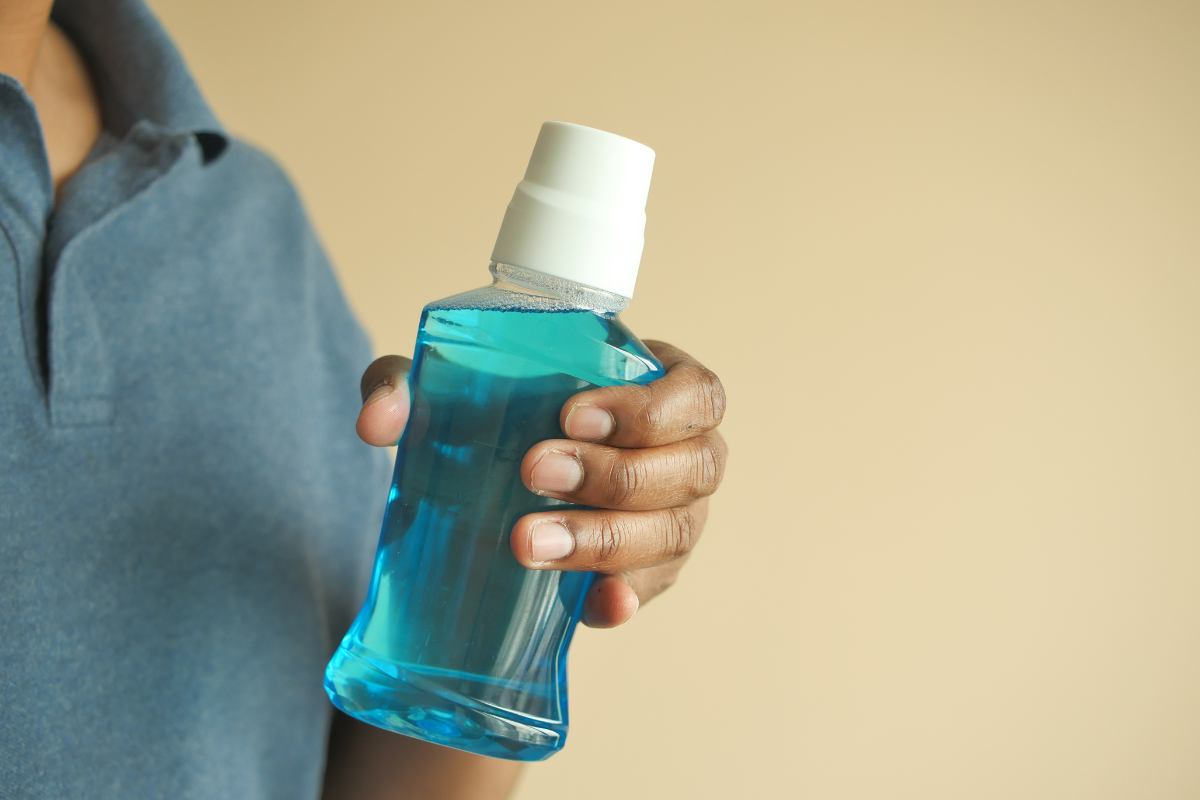
Getting a dental filling is a common and often necessary procedure to restore tooth health and prevent decay from spreading. But once the treatment is done, many patients are left wondering what comes next, especially regarding their oral hygiene routine. One of the most frequent questions patients ask is: “Can I use mouthwash after a filling?”
At Adult & Pediatric Dental Studio, our experienced dentists serving Freehold families always emphasize proper post-treatment care, and mouthwash use is part of that conversation. Let’s break down when it’s safe, what kind to use, and what to avoid.
Why Mouthwash Matters After a Filling
Mouthwash plays a key role in maintaining oral hygiene by:
- Reducing bacteria in the mouth
- Freshening breath
- Reaching areas your toothbrush might miss
- Supporting gum health
But timing is everything—especially after a dental procedure like a filling. Using mouthwash too soon can irritate the treated area or impact the filling itself.
When Is It Safe to Use Mouthwash After a Filling?
In most cases, you can safely use mouthwash 24 hours after a dental filling. However, there are a few things to keep in mind depending on the type of filling and your individual healing process. Here’s a quick guide to help:
- Composite (tooth-colored) fillings: Wait at least 24 hours before using mouthwash, unless your dentist says otherwise.
- Amalgam (silver) fillings: Generally, wait for 24–48 hours before using mouthwash, especially those with alcohol.
If you experience sensitivity or soreness, hold off until your mouth feels comfortable and your dentist gives the green light. Our dentist serving Freehold and the surrounding area recommends rinsing gently and avoiding aggressive swishing, particularly on the first day after treatment.
Can You Use Mouthwash with a Temporary Filling?
Temporary fillings are more delicate than permanent ones. Your dentist might place a temporary filling while you wait for a crown or root canal completion. In this case:
- Avoid mouthwashes with alcohol, as they can weaken the filling material.
- Opt for non-alcoholic, gentle rinses—those formulated for sensitive teeth are ideal.
- Brush and rinse gently to prevent the filling from loosening.
If you’re unsure which product to use, consult with your dental team.
What Happens If the Filling Falls Out—Should You Still Use Mouthwash?
A lost filling is considered a dental emergency, but until you can get to your dentist, here’s how you can manage:
- Avoid using mouthwash with alcohol, as the exposed tooth may be sensitive or irritated.
- Rinse with warm salt water to keep the area clean.
- Try an over-the-counter dental cement to temporarily protect the area, but do not delay treatment.
Remember, an open cavity is vulnerable to bacteria, so call a dental professional as soon as possible.
Does Mouthwash with Alcohol Harm Dental Fillings?
Not all mouthwashes are created equal—alcohol-based rinses can dry out the mouth and cause irritation, especially around recent dental work. While occasional use might not damage fillings, regular use of alcohol-heavy products can:
- Increase sensitivity
- Cause minor erosion around the edges of the filling
- Lead to discomfort, especially in newly filled teeth
Instead, look for mouthwashes that are:
- Alcohol-free
- pH-balanced
- Contain fluoride for added protection
Brands labeled as “gentle” or “for sensitive teeth” are usually safe bets post-filling.
Tips to Protect Your Dental Filling Long-Term
To keep your dental filling in top shape and avoid repeat visits, follow these tips:
- Use a soft-bristled toothbrush and gentle brushing technique
- Avoid very sticky or hard foods, especially in the first few days
- Floss daily, but do so gently around the filled tooth
- Visit your dentist for regular checkups and cleanings
- Use non-abrasive toothpaste and an alcohol-free mouthwash as part of your daily routine
Maintaining good oral hygiene helps your filling last longer and prevents future dental issues.
FAQs
Can I use mouthwash immediately after a dental filling?
It’s best to wait at least 24 hours after a filling before using mouthwash, especially if it contains alcohol.
What type of mouthwash is best after a filling?
Alcohol-free, fluoride-based mouthwashes are best. Look for options made for sensitive mouths.
Is it okay to rinse my mouth if I have a temporary filling?
Yes, but rinse gently and avoid alcohol-based mouthwashes. Temporary fillings are more fragile.
What should I do if my filling falls out?
void strong rinses, keep the area clean with salt water, and schedule a visit to your dentist immediately.
Will alcohol mouthwash damage my fillings?
Frequent use may dry out your mouth or irritate the filling edges. It’s better to switch to an alcohol-free formula.
Keep Your Smile Protected After a Filling
Taking proper care of your teeth after a filling is crucial for a lasting result. At Adult & Pediatric Dental Studio in Manalapan Township, NJ, your oral health is our priority. Whether you need guidance on post-treatment care or have concerns about your fillings, our team of skilled professionals is here to help.
If you’re looking for a trusted dentist to keep your smile healthy and bright, we welcome you to visit us and experience compassionate, expert care in a comfortable setting.