
200 Bridge Plaza Dr, Manalapan Township, NJ 07726
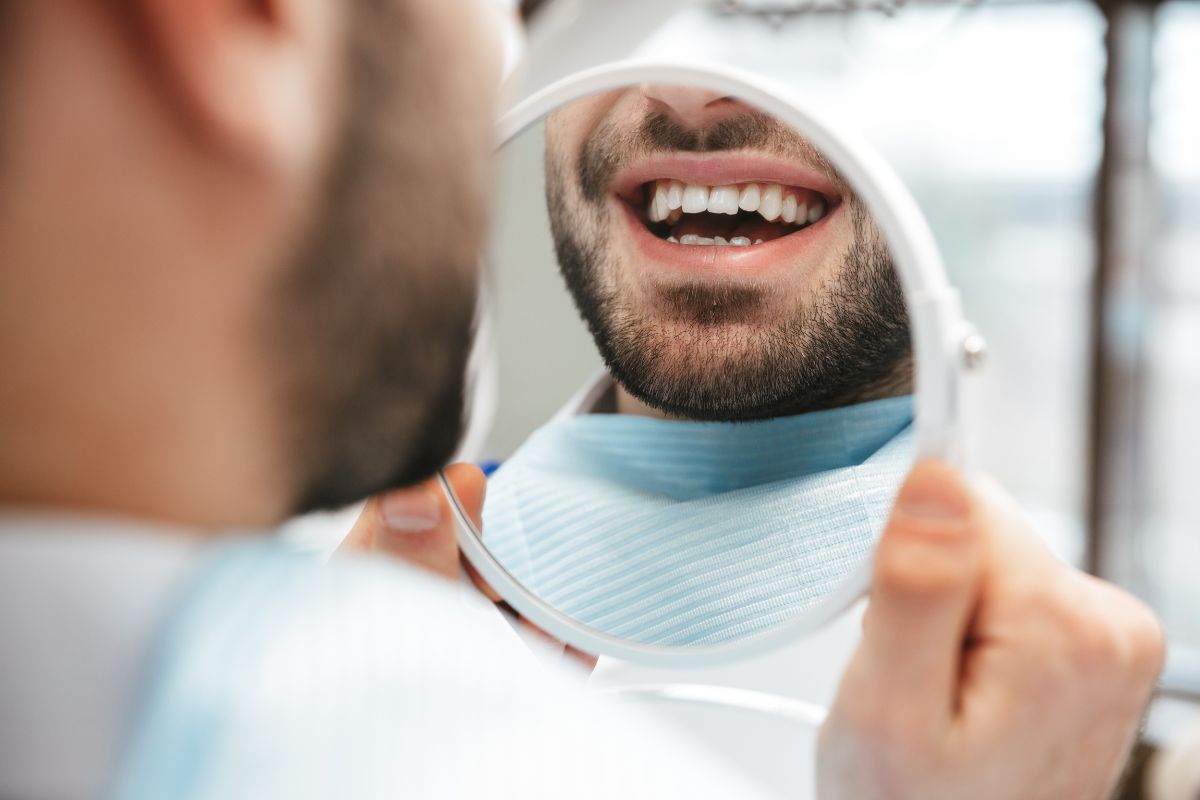
A black spot on your tooth can be alarming—especially when it seems to appear out of nowhere. Sometimes it’s harmless staining, and other times it’s an early sign of decay that needs attention from a dentist. Whether you noticed it while brushing or someone pointed it out in a photo, understanding why it happens and what to do about it can help you act quickly and protect your smile.
Why a Black Spot Forms on a Tooth
A dark or black dot on your tooth isn’t always a cavity. In fact, several factors can cause discoloration:
- Plaque buildup that has hardened into tartar
- Deep enamel staining from coffee, tea, or tobacco
- Tooth decay beginning beneath the surface
- Microcracks trapping pigments
- Old fillings breaking down
- Natural grooves and pits that collect debris
Understanding the cause early helps determine whether it requires cosmetic treatment, cleaning, or restorative dental work.
When a Black Spot Signals Tooth Decay
One of the most common causes of a black spot is early cavity formation. This happens when bacteria create acids that weaken enamel, causing tiny holes.
Signs that the black spot may be decay:
- It feels sticky or soft when you touch it with your tongue
- You notice sensitivity to cold, sweet foods, or temperature changes
- The area becomes painful when chewing
- The spot grows over time
- Floss gets caught around the area
A cavity won’t disappear on its own. If you suspect decay, seeing a dentist quickly can prevent the need for major treatment like a root canal or crown.
Black Spots from Staining: When It’s Harmless
Not every black spot is a sign of trouble. Surface stains can look darker than expected, especially in the following situations:
- Regular smoking or vaping
- Drinking dark beverages (coffee, tea, cola, red wine)
- Poor brushing technique
- Using certain mouthwashes with chlorhexidine
- Spices and foods that discolor tooth enamel
Surface stains are usually rough and dark but don’t cause pain. Professional cleaning can remove most of these marks without dental drilling.
Tartar Buildup: The Hard-to-Remove Black Spot
If plaque hardens into tartar (also called calculus), it can turn brown or black. This often appears near the gumline.
You may notice:
- Dark deposits that don’t come off with brushing
- Gum irritation or bleeding
- Persistent bad breath
- Rough texture against your tongue
Tartar requires professional removal—regular brushing won’t eliminate it. Left untreated, it can lead to gum disease.
Black Spots Around Fillings or Crowns
If you’ve had dental work, a black spot may indicate:
- Leakage around an old filling
- A deteriorating metal filling that has corroded
- Decay forming underneath a crown
This needs prompt attention because decay can spread quickly under restorations. If you’re in Freehold or a nearby community, our dental team can evaluate whether the restoration needs repair or replacement.
How Dentists Diagnose a Black Spot
At Adult & Pediatric Dental Studio, the evaluation typically includes:
- A visual exam
- Probing the tooth surface to check hardness
- Digital X-rays to detect underlying decay
- Checking old dental work for leakage
- Assessing staining vs. structural damage
This ensures the treatment plan targets the root cause—not just the appearance.
Effective Treatment Options for Black Spots
Depending on the cause, treatment may include:
- Professional Dental Cleaning
Removes surface stains and tartar buildup. - Teeth Whitening
Helps lighten dark areas caused by deep enamel staining. - Fluoride Treatments
Strengthen enamel and prevent early decay from progressing.
- Tooth-Colored Fillings
Repair cavities discreetly using natural-shade resin. - Dental Bonding or Veneers
Correct stubborn stains, small chips, or deep grooves trapping stains. - Replacement of Old Fillings
If a filling is leaking or corroding, replacing it prevents further decay. - Root Canal or Crown
Used when decay has reached the pulp or damaged a large portion of the tooth.
How to Prevent Black Spots in the Future
Maintaining bright, healthy teeth requires consistent habits:
- Brush twice daily with fluoride toothpaste
- Floss every day to remove hidden plaque
- Use a soft-bristled toothbrush
- Limit dark beverages or drink them with a straw
- Rinse after meals
- Schedule regular dental cleanings
- Avoid smoking or vaping
- Address grinding or clenching, which can cause cracks
Prevention is always easier and more affordable than fixing decay.
Frequently Asked Questions
Q. Can a black spot go away on its own?
Not if it’s decay. Stains may lighten with whitening, but cavities require treatment from a dentist.
Q. Is a black spot always a cavity?
No. It may be staining, tartar, or an old filling.
Q. Are black spots common in children?
Yes. Kids with deep grooves in their molars or poor brushing habits often develop discoloration.
Q. Can poor hygiene cause black spots?
Absolutely. Plaque buildup can harden and turn dark, especially near the gums.
Q. Can tooth whitening fix a black spot?
It works only for surface-level stains—not decay or tartar.
Q. Does a black spot always require drilling?
Only if it’s a cavity. Stains and tartar can be removed with noninvasive cleaning.
Q. Are black spots painful?
Stains and tartar usually aren’t, but decay often causes sensitivity or discomfort.
Q. What if the black spot is growing?
That’s a red flag for decay, and you should see a dentist immediately.
Moving Forward with the Right Care
If you’re noticing a black spot and are unsure what it means, a quick evaluation can help you get clarity and the right treatment. Adult & Pediatric Dental Studio, located in Manalapan Township, provides comprehensive dental care for individuals and families seeking reliable solutions for tooth discoloration and oral health concerns.