200 Bridge Plaza Dr, Manalapan Township, NJ 07726
Dental fillings are a common procedure used to treat cavities and restore your tooth’s health and function. But if you’re someone who loves hitting the gym or going for a run, you might be wondering — can you exercise after a filling? While it may seem like a simple question, the answer depends on several factors, including the type of filling, how your mouth feels, and your overall recovery process.
In this blog, we’ll help you understand what happens after a filling, how physical activity can affect recovery, and when it’s safe to return to your normal routine. If you recently had dental work done, here’s everything you should know before heading back to your workout.
What Happens After a Dental Filling?
A dental filling helps restore a tooth damaged by decay back to its normal shape and function. During the procedure, Our dental team serving Marlboro, Monroe, and Manalapan removes the decayed portion of your tooth, cleans the area, and fills it with a durable material like composite resin, amalgam, or ceramic.
Once the numbing agent wears off, you may experience:
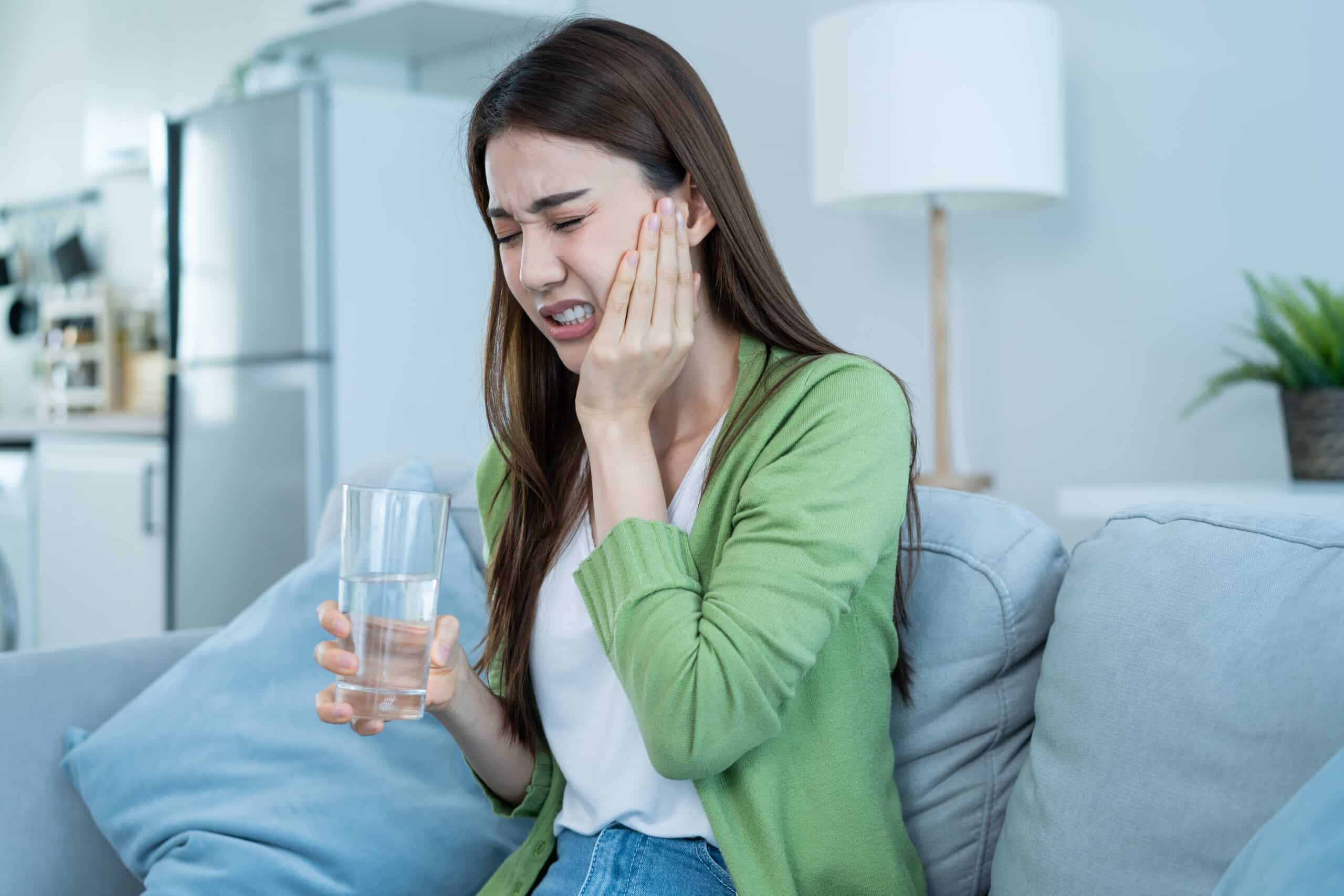
Mild tooth sensitivity to temperature or pressure
Slight soreness around the treated tooth or gums
Temporary discomfort while biting or chewing
These sensations usually fade within a few hours to a day. However, how your body reacts to the treatment plays a key role in determining when it’s safe to resume exercising.
Can You Exercise Immediately After a Filling?
In most cases, dentists recommend waiting at least 24 hours before engaging in any vigorous physical activity. The main reasons include:
Numbness and Coordination Issues – Local anesthesia can leave your mouth numb for a few hours. Exercising too soon may cause you to accidentally bite your cheek or tongue.
Increased Blood Flow – Intense workouts can raise your heart rate and blood pressure, which may lead to bleeding or swelling around the treated area.
Discomfort or Sensitivity – If your filling site is sore, exercise could worsen discomfort or make it harder to focus on your form and breathing.
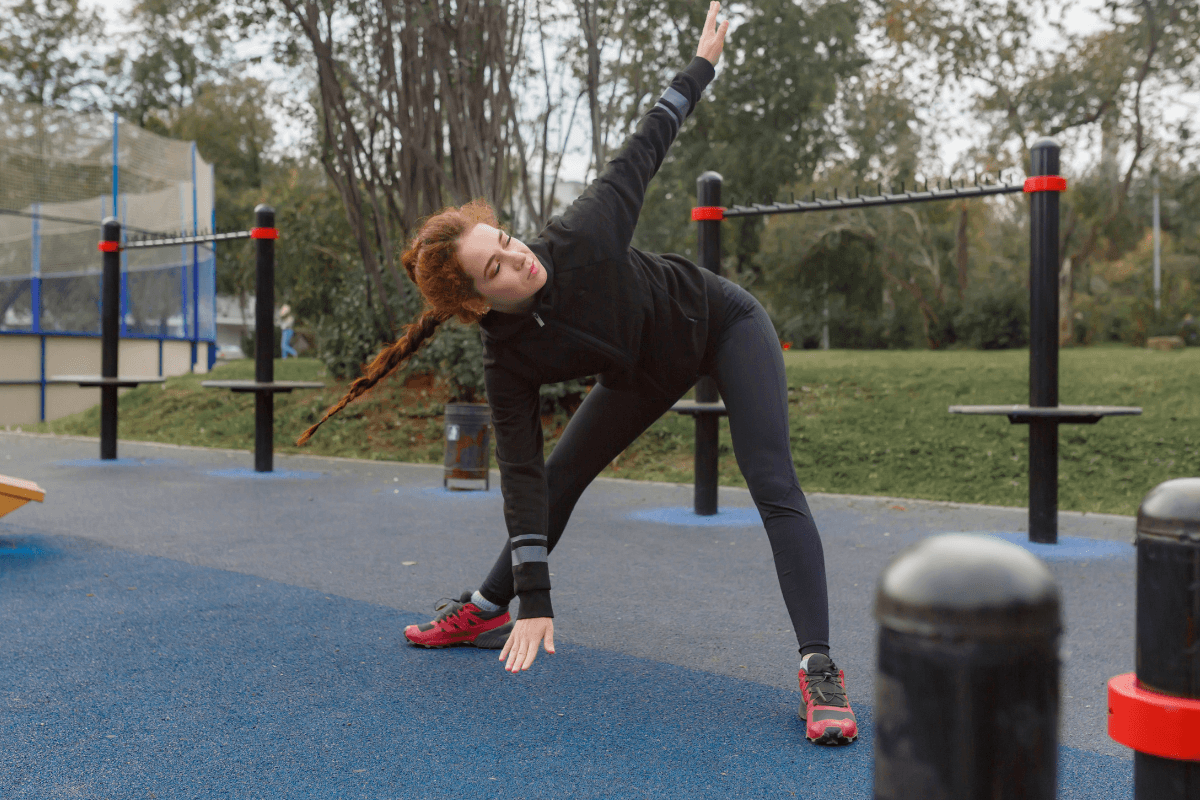
Light activities like walking or stretching are generally fine, but it’s best to hold off on high-intensity exercises such as running, weightlifting, or contact sports until your dentist gives you the green light.
Why Rest Is Important After a Filling
Even though a filling is a simple dental procedure, your mouth still needs time to heal and adjust. Taking it easy for a day can help:
Reduce swelling or irritation in the gums or jaw
Allow the filling to fully set, especially if a composite material is used
Prevent unnecessary strain on the treated tooth
Promote overall healing and comfort
If you rush back into your routine, you may risk loosening the filling or causing unnecessary pain. Always listen to your body — if something feels off, it’s best to rest longer.
When Can You Safely Return to the Gym?
Dentists may advise resuming workouts the next day if your mouth feels comfortable and the numbness has completely subsided. However, every patient’s recovery timeline differs. Here’s a simple guide:
After 24 hours: Most people can return to moderate activity like walking, yoga, or light cardio.
After 48 hours: You can gradually reintroduce higher-intensity workouts if you feel no pain or sensitivity.
After 72 hours: You should be able to resume your full fitness routine without concern.
If your filling was deeper or if you had multiple fillings done, your dentist might suggest waiting a little longer.
Tips to Ensure a Smooth Recovery
To promote quick healing and avoid post-filling complications, follow these dentist-approved tips:
- Avoid chewing hard foods for at least 24 hours
- Skip hot or cold beverages if your teeth feel sensitive
- Maintain good oral hygiene, but brush gently near the treated area
- Stay hydrated — water supports healing and helps flush away bacteria
- Skip alcohol and smoking for a day or two, as these can slow recovery
- Call your dentist if you notice sharp pain, swelling, or discomfort that lasts beyond 48 hours
These simple precautions help ensure your dental filling remains secure and that you can return to your active lifestyle with confidence.
Can Exercise Affect the Longevity of Your Filling?
Not directly — but physical strain, dehydration, or teeth grinding (which can increase with stress or workouts) might impact your dental health. If you tend to clench your jaw during exercise, talk to your dentist about a custom mouthguard. This can help protect your teeth and maintain the integrity of your filling.
FAQs About Exercising After a Filling
1. Can I go running after a dental filling?
It’s best to wait 24 hours before resuming activities like running or cycling. These exercises can increase blood pressure and may cause sensitivity or swelling near the treated area.
2. What if my filling still feels sore after two days?
Mild discomfort is normal for up to 48 hours, but if soreness persists or worsens, contact your dentist for an evaluation.
3. Does sweating affect healing after a filling?
No, sweating itself doesn’t impact healing. The concern lies in elevated heart rate and blood flow, which can affect your comfort immediately after the procedure.
4. Can I lift weights after a dental filling?
Avoid lifting heavy weights for 24–48 hours. The strain from intense workouts can trigger jaw tension and pressure on the treated tooth.
5. How long should I avoid chewing on the filled tooth?
You can start using the filled tooth once the numbness wears off, but avoid hard or sticky foods for the first day to prevent damage.
How Our Dentists near Marlboro Help You Heal Right
At our dental office, your oral health and comfort always come first. Our team ensures every dental filling is completed with precision and care to minimize discomfort and promote faster healing. Whether it’s a small cavity repair or multiple restorations, our experienced dentists provide personalized aftercare guidance to help you return to your normal routine safely and comfortably.
Getting back to your fitness routine after a filling is important — but giving your mouth the proper time to heal is just as essential. Even a brief period of rest can make a big difference in how comfortable and successful your recovery is. If you’re unsure when it’s safe to resume exercising, don’t hesitate to contact our dentist for expert advice and personalized care.