200 Bridge Plaza Dr, Manalapan Township, NJ 07726
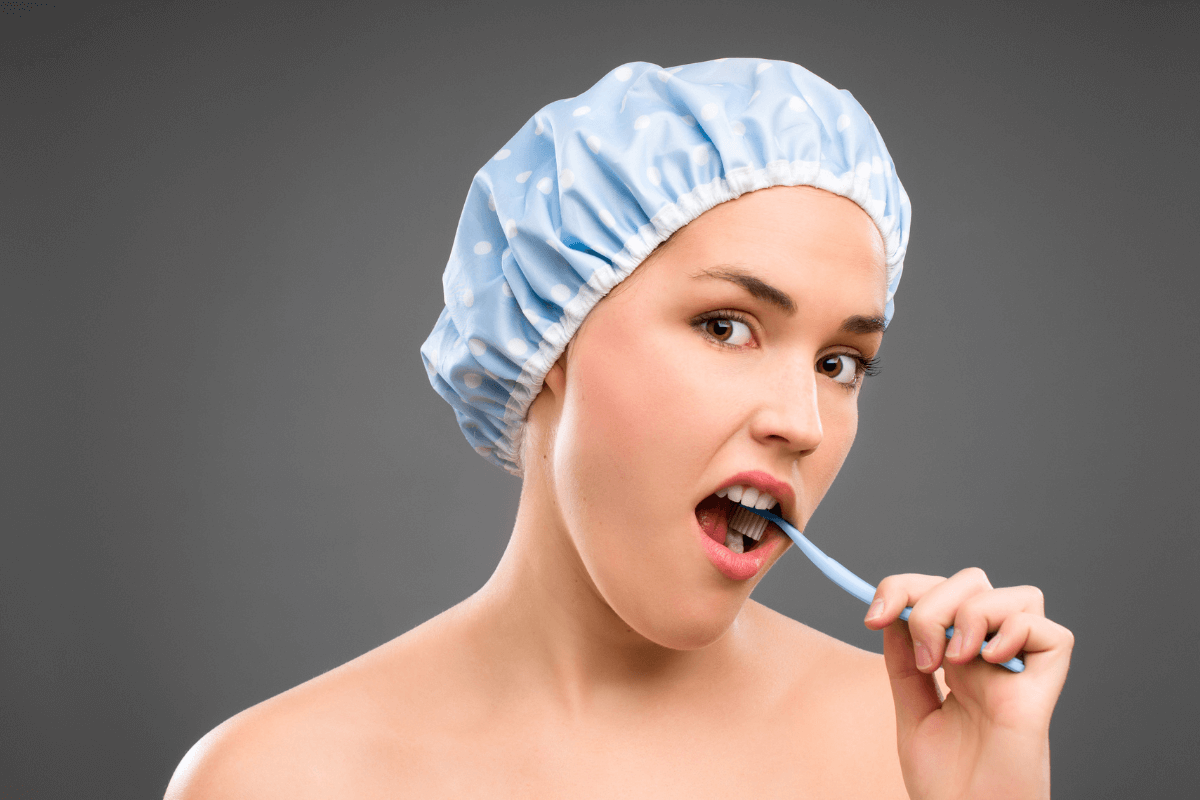
You may have heard of people brushing their teeth with soap—yes, actual soap—instead of toothpaste. While it sounds strange, this idea isn’t entirely new. In fact, before toothpaste became widely available, some people did use specially formulated soaps to clean their teeth. But is it safe? Does it actually work? And most importantly—should you try it?
If you’re curious, our dentist is here to explain the facts in simple terms so you can make the best decision for your oral health.
Why People Consider Brushing Teeth with Soap
Brushing your teeth with soap usually comes up when:
- You run out of toothpaste and need a quick alternative
- You’re looking for more natural or chemical-free options
- You’ve heard it might whiten teeth better than toothpaste
- You’re experimenting with DIY oral care
Some proponents of this method claim soap can effectively remove plaque, neutralize acids, and even leave your teeth feeling cleaner. However, not all soaps are made for your mouth—and not all mouths will appreciate the taste!
Is It Safe to Brush Your Teeth with Soap?
Safety largely depends on the type of soap you’re using. Ordinary hand soap or dish soap is a definite no—they often contain harsh chemicals, artificial fragrances, and dyes that you should never put in your mouth.
If you want to try brushing your teeth with soap, it should be:
- Natural and non-toxic
- Free of artificial fragrances and dyes
- Specifically designed for oral use (yes, tooth soap exists)
While mild, natural soaps may not cause harm if accidentally ingested in tiny amounts, they can leave an unpleasant taste and may cause irritation for sensitive gums.
Pro tip from our dental team serving Marlboro, Monroe, and Manalapan: Even if natural soap is safe, it doesn’t contain fluoride, which plays a big role in strengthening enamel and preventing cavities.
How Soap Compares to Toothpaste
Toothpaste is specially formulated for oral health—it’s not just about cleaning teeth, but also protecting them. While soap can remove plaque with proper brushing, it lacks some of the key benefits of toothpaste.
Toothpaste contains fluoride, which strengthens enamel and prevents cavities—soap does not. Toothpaste is also designed to freshen breath and taste pleasant, while most soaps leave an unpleasant aftertaste. Toothpaste is safe for daily use, while soap should only be considered if it’s specifically formulated for oral care and used occasionally.
What to Use If You Don’t Have Toothpaste
If you find yourself without toothpaste, here are some safer and more effective alternatives than regular soap:
- Baking soda – Naturally abrasive and neutralizes acids.
- Saltwater rinse – Helps kill bacteria and freshens breath.
- Hydrogen peroxide rinse (diluted) – Can help reduce bacteria (use cautiously).
- Dry brushing – Brushing with just your toothbrush and water to remove plaque.
These options can work temporarily until you can restock your toothpaste supply.
Does Brushing Teeth with Soap Make Them Whiter?
There’s no strong scientific evidence that brushing teeth with soap whitens them more than toothpaste. Soap can help remove surface stains caused by plaque buildup, but it won’t bleach your teeth or lighten deeper stains.
If your goal is a brighter smile, our dental team can recommend professional whitening treatments that are safe, effective, and much more pleasant than using soap.
Key Takeaways Before You Try It
- Use only natural, non-toxic soap intended for oral use
- Avoid soaps with strong fragrances, dyes, or harsh chemicals
- Don’t replace your fluoride toothpaste permanently
- Consider soap as a temporary or emergency option, not a long-term solution
FAQs on Brushing Teeth with Soap
1. Can I use soap if I have no toothpaste?
Yes, but only if it’s a safe, natural soap meant for oral use. Avoid regular hand or dish soap.
2. What can I use if I don’t have toothpaste?
Baking soda, saltwater rinse, or even brushing with water can be safer temporary options.
3. Is it safe to brush my teeth with soap?
It can be safe if the soap is mild, natural, and free from harmful chemicals—but it’s not ideal for daily use.
4. Does brushing your teeth with soap make them whiter?
Not significantly. It may remove some surface stains, but it’s not a substitute for whitening treatments.
5. Can you brush your teeth with soap every day?
It’s not recommended. Soap lacks fluoride, which is essential for preventing cavities.
The Bottom Line on Brushing with Soap
Brushing your teeth with soap may work in a pinch, but it’s no match for fluoride toothpaste when it comes to protecting your smile. For a healthier, brighter mouth, stick to proven dental products and visit your dentist regularly.
At Adult & Pediatric Dental Studio, located in Manalapan Township, we care about your oral health and can guide you toward safe, effective dental care solutions. Book your next checkup today and keep your smile healthy—no soap required!