200 Bridge Plaza Dr, Manalapan Township, NJ 07726
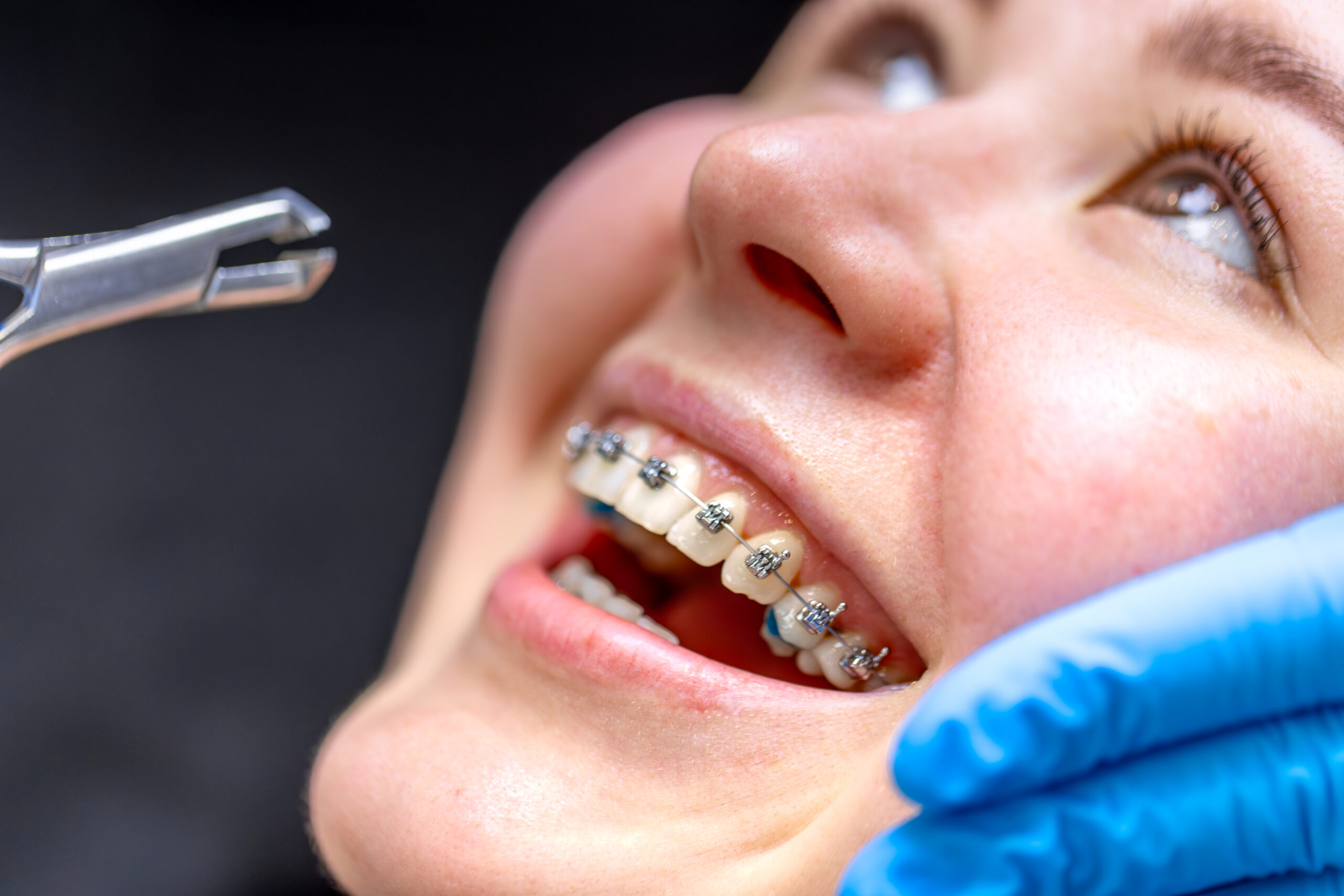
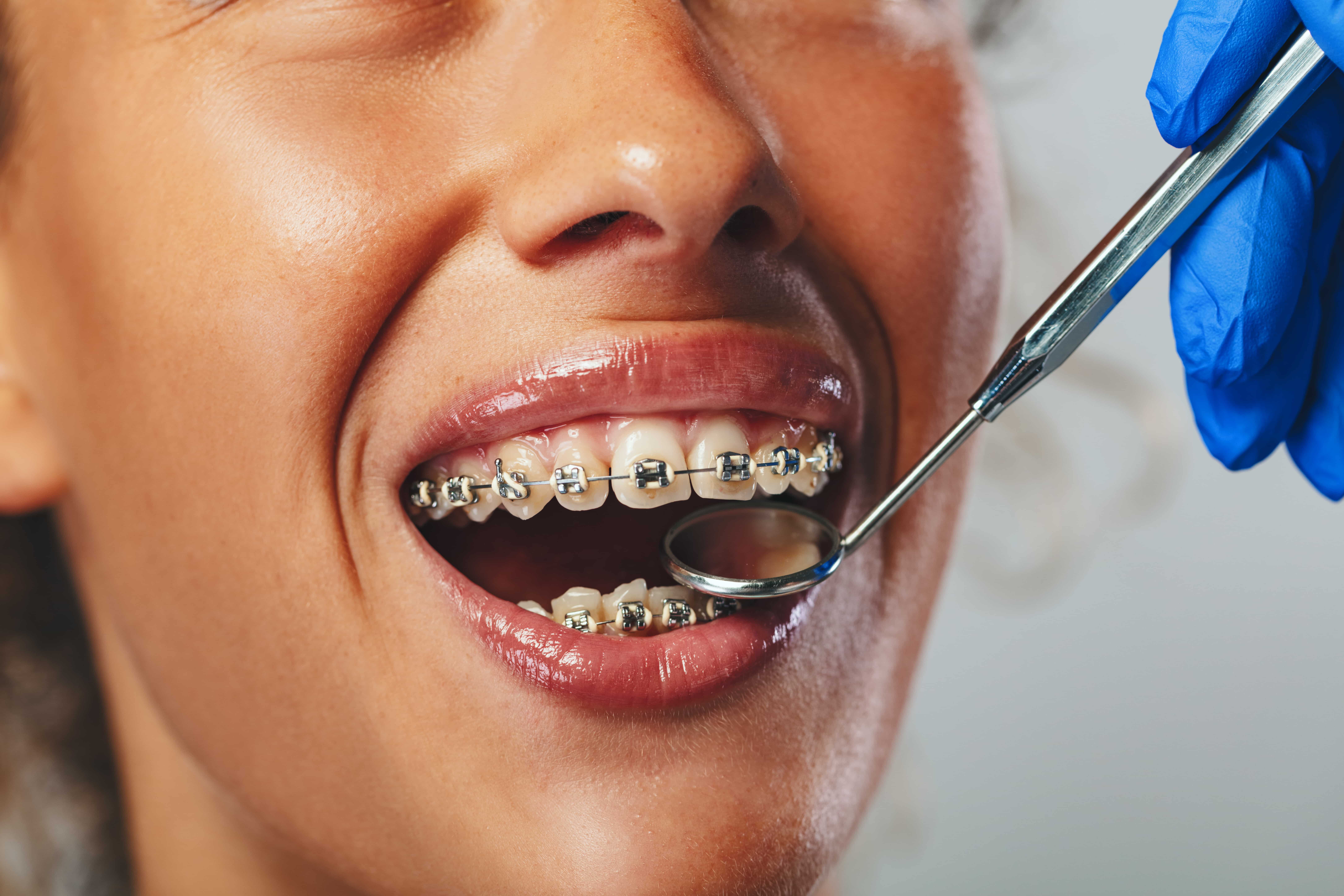
It’s a conversation we often have with families—your child comes home after a braces appointment and says their teeth feel sore, or a teen mentions it’s uncomfortable to eat after an adjustment. Even adults going through aligner changes sometimes notice pressure or sensitivity that catches them off guard.
If you’ve ever wondered whether this discomfort is normal, you’re not alone. Patients from Freehold and nearby communities often ask how to manage this phase of orthodontic treatment while staying comfortable and keeping up with their daily routines.
Why Orthodontic Adjustments Cause Discomfort
Orthodontic adjustments are designed to gently move teeth into better alignment. That movement is what creates the sensation many patients describe as soreness or pressure.
When braces are tightened or a new set of Invisalign trays is introduced:
- Teeth begin to shift slightly
- Ligaments around the teeth respond to pressure
- The body starts a natural remodeling process
This process is a normal part of orthodontic care. While it can feel unfamiliar, it’s actually a sign that treatment is progressing as planned.
What Kind of Pain Is Normal After Adjustments
After an adjustment, it’s common to notice:
- Mild soreness or tenderness
- Pressure when biting or chewing
- Temporary sensitivity in certain teeth
- Discomfort lasting a few days
For most patients, this feeling peaks within the first 24–48 hours and gradually improves. Families in the Freehold area often find that by midweek, routines return to normal after a recent appointment.
Tips to Ease Pain After Orthodontic Adjustments
There are several simple, practical ways to make this adjustment period more comfortable.
- Choose soft foods: Yogurt, pasta, mashed potatoes, smoothies, and soups are easier to manage
- Use a cold compress: Applying it to the outside of the cheek can help reduce soreness
- Apply orthodontic wax: This can protect cheeks and lips from irritation caused by brackets or wires
- Consider over-the-counter pain relief: Used as directed, it can help with temporary discomfort
- Try warm saltwater rinses: These can soothe irritated areas inside the mouth
For kids heading back to school or teens managing sports and activities, planning softer meals for a couple of days can make a noticeable difference.
Foods to Avoid Right After Adjustments
Certain foods can make discomfort worse, especially right after an appointment.
It’s best to avoid:
- Hard foods like nuts or hard candies
- Sticky foods such as caramel or chewing gum
- Crunchy snacks like chips or raw vegetables
- Foods that require heavy chewing
Making small adjustments to meals during this time helps protect braces and keeps discomfort manageable.
When Discomfort Might Need Attention
While some soreness is expected, there are times when it’s important to check in.
You may want to reach out if you notice:
- Pain that feels severe or doesn’t improve after a few days
- A broken bracket or poking wire
- Sores that aren’t healing
- Difficulty eating beyond the initial adjustment period
These situations are less common, but addressing them early helps keep treatment on track and comfortable.
How Orthodontists Help Keep Treatment Comfortable
Orthodontic care is carefully planned to balance progress with patient comfort.
During treatment, orthodontists:
- Monitor how teeth are moving over time
- Make gradual, controlled adjustments
- Provide guidance for managing soreness at home
- Address concerns early when discomfort feels unusual
- Support long-term oral health throughout the process
This approach helps ensure that each step of treatment is predictable and manageable for both children and adults.
A Comfortable Path Forward
It’s completely normal to have questions about discomfort during orthodontic treatment, whether it’s your child’s first experience with braces or your own first time wearing Invisalign trays. Understanding what to expect and maintaining open communication with your orthodontic team can help make the process much more comfortable.
If you ever have concerns about soreness or want guidance on managing it, you can visit at our dental practice to talk through what you’re experiencing and get practical, personalized advice.
FAQs
How long does pain last after braces tightening?
Most soreness lasts between 2 to 3 days, with the first 24–48 hours being the most noticeable.
What helps soreness from braces the fastest?
Soft foods, cold compresses, and saltwater rinses are some of the quickest ways to ease discomfort.
Is it normal to feel pain when chewing?
Yes, mild discomfort when chewing is common after adjustments, especially in the first couple of days.
Can kids handle orthodontic pain easily?
Most children adapt quickly, especially when they understand what to expect and follow simple comfort tips.
When should I call my orthodontist about pain?
If discomfort is severe, lasts longer than a few days, or involves a broken appliance, it’s best to check in.