
200 Bridge Plaza Dr, Manalapan Township, NJ 07726
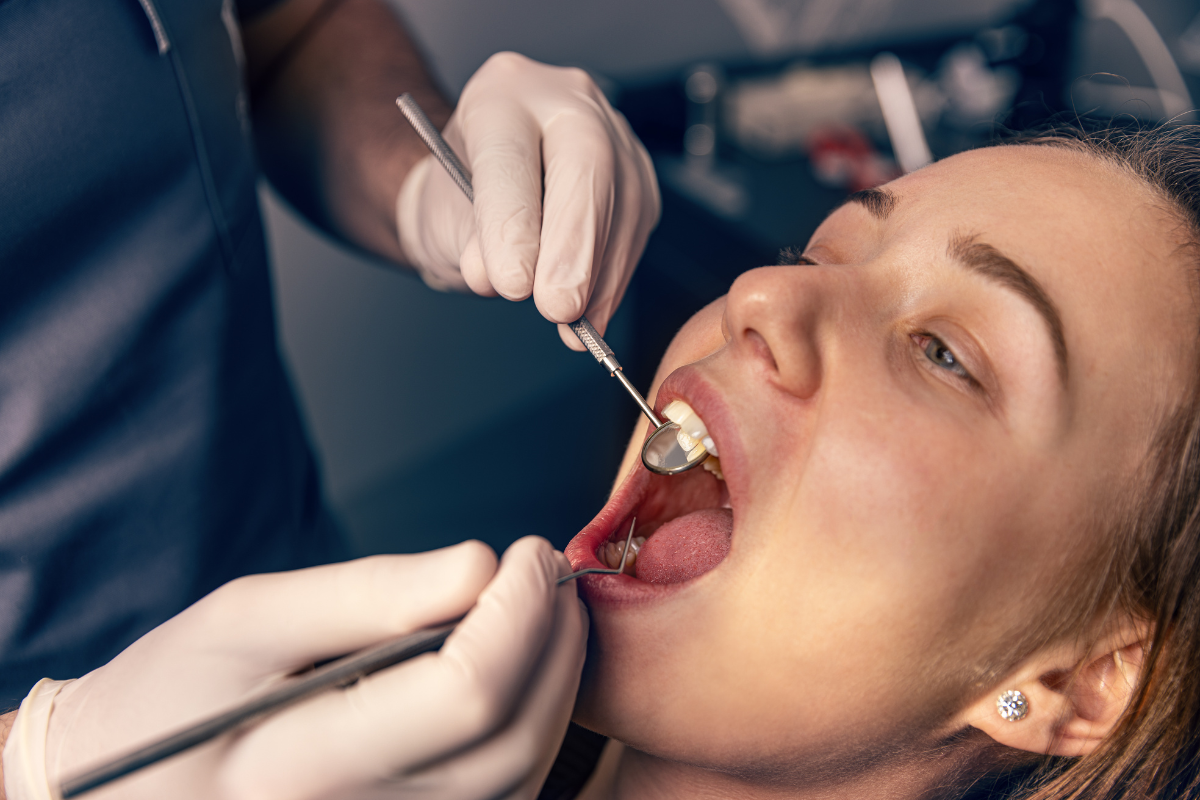
If your dentist has recommended a tooth extraction, you are probably wondering how long the recovery will take. Understanding the healing process can ease much of the anxiety you may feel before the procedure. Recovery time depends on several factors, including age, overall health, and the complexity of the extraction. This guide will walk you through the typical healing timeline and provide essential aftercare tips so you know exactly what to expect.
What Happens in the First 24 to 48 Hours After Tooth Extraction?
The first 24 to 48 hours after a tooth extraction are the most critical for wound protection. During this period, a blood clot forms in the empty socket, acting as a natural bandage to shield underlying bone and nerves. If the clot is dislodged, painful complications like dry socket can occur, significantly delaying recovery.
Smoking or drinking through a straw in this phase can loosen the clot and raise the risk of infection. That’s why our Marlboro dentist always cautions patients to avoid these habits immediately after surgery.
Additional tips for this phase include:
Limit physical activity to avoid excess bleeding.
Take over-the-counter pain relievers such as ibuprofen, as directed.
Avoid touching the extraction site with your fingers or tongue.
Following these instructions ensures your mouth begins to heal in a safe and stable way.
How Healing Progresses From Day 3 Onward
By the third day, discomfort and swelling usually begin to lessen. At this stage, granulation tissue—a healthy tissue full of collagen—starts forming, covering the wound and supporting new gum development.
Helpful ways to encourage healing after day three include:
Staying hydrated but avoiding sodas and acidic drinks.
Eating nutrient-rich foods with vitamin C and zinc, such as berries, leafy greens, and nuts.
Applying warm compresses to reduce lingering swelling.
Maintaining oral hygiene while being careful not to brush directly over the extraction site.
If the extraction involved wisdom teeth or a surgical procedure, the healing phase may extend to three or four weeks. Some patients also experience mild numbness or sensitivity, but this typically improves with time.
Tips to Speed Up Recovery After a Surgical Extraction
Recovery after surgical extractions, such as impacted wisdom teeth, requires additional care. Here are some lesser-known tips that can help:
- Avoid strenuous workouts for at least 72 hours to keep blood pressure stable.
Sleep with your head elevated to minimize nighttime swelling.
Talk to your dentist about safe natural remedies, like aloe vera gel or turmeric paste, which may support healing.
Keep stress levels low, since stress can suppress immunity and delay tissue repair.
If you use dentures or partials, check with your dentist before resuming wear to avoid irritating the site.
When to Contact a Dentist About Complications
While most patients heal without problems, knowing the warning signs of complications is essential. Call your dentist immediately if you notice:
Pain that intensifies instead of subsiding.
Swelling that increases after the third day.
Persistent bleeding or a foul taste in your mouth.
Fever, nausea, or discharge from the extraction area.
Severe pain radiating to your jaw, ear, or temple.
In some cases, this type of discomfort may be related to nerve sensitivity after extraction, which is important to understand when dealing with nerve pain after tooth extraction.
These could be signs of infection or dry socket and require prompt attention.
FAQs About Tooth Extraction Recovery
Q. How long does it take the hole to close after a tooth extraction?
A. The gum tissue usually closes within 2 to 3 weeks, though complete bone healing may take several months.
Q. Can I eat normally after a tooth extraction?
A. Soft foods like yogurt, mashed potatoes, and smoothies are recommended for the first few days. Gradually introduce solid foods as your comfort improves.
Q. How can I prevent dry socket?
A. Avoid smoking, using straws, and vigorously rinsing your mouth in the first few days. Following your Marlboro dentist’s instructions is the best prevention.
Q. Is it normal to have swelling a week after extraction?
A. Mild swelling can last up to 7–10 days, but it should gradually decrease. If swelling worsens, contact your dentist near Marlboro.
Q. Can I brush my teeth after an extraction?
A. Yes, but avoid the extraction site for the first few days. Brush and floss other areas carefully to prevent plaque buildup.
Q. Do tooth extractions affect nearby teeth?
A. Temporary sensitivity or slight shifting may occur, but these effects usually resolve as the gums heal. Your dentist will monitor this during follow-ups.
Q. How do I know if my tooth extraction is healing properly?
A. Decreasing pain, fading swelling, and the gradual return of normal eating habits are positive signs of healing.
Final Thoughts: Trust our Dentist for a Smooth Recovery
Recovering from a tooth extraction may sound intimidating, but with the right care, the process is smooth and predictable. Protecting the blood clot, eating soft foods, and keeping up with gentle oral hygiene are all key steps. For the best results, trust Adult & Pediatric Dental Studio, located in Manalapan Township, where your comfort and recovery are always the top priority.