200 Bridge Plaza Dr, Manalapan Township, NJ 07726
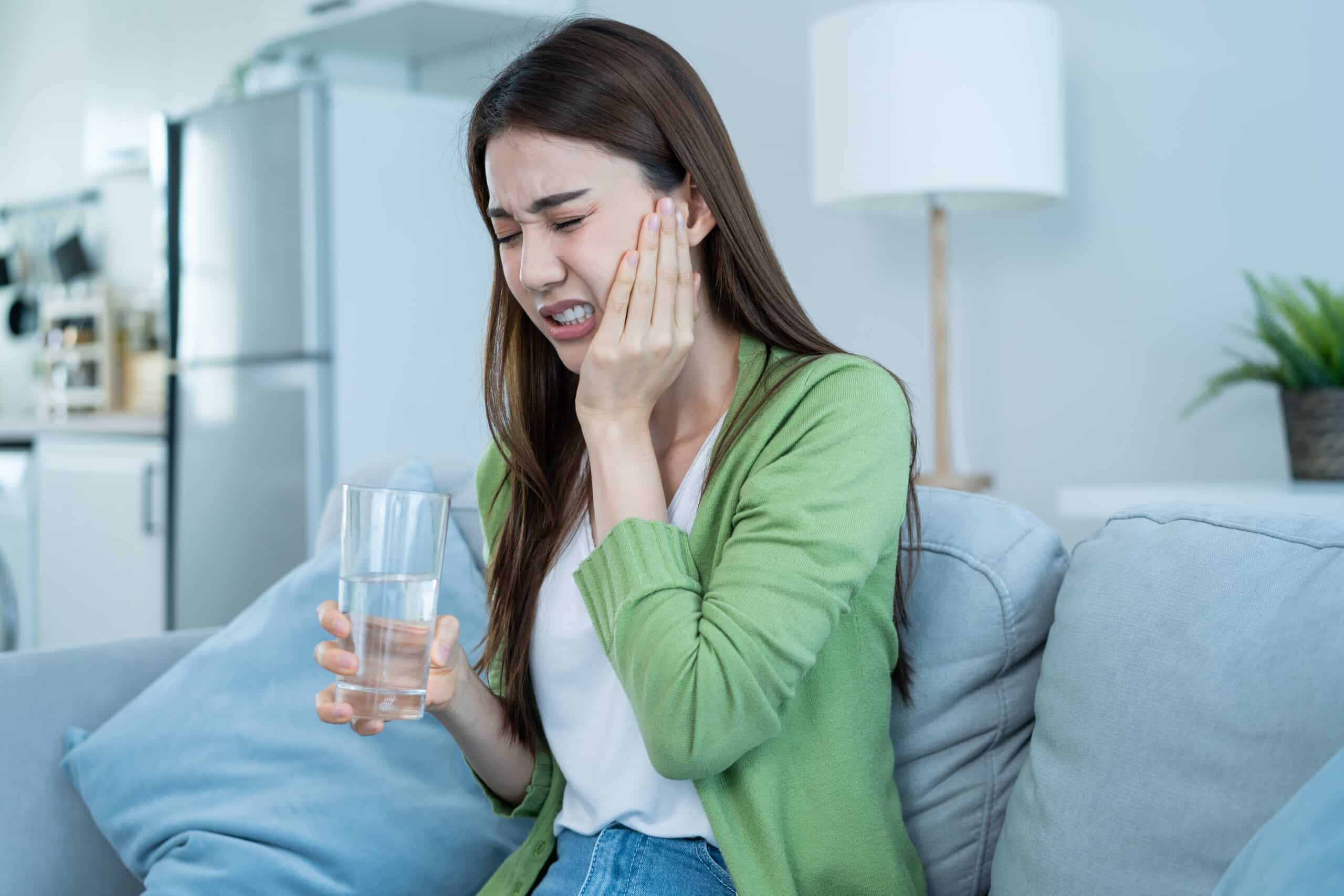
Mild tooth pain or sensitivity after a dental filling usually improves within a few days to two weeks. You may notice brief discomfort when eating hot or cold foods, drinking something cold, or biting down. The important sign is gradual improvement. Pain that becomes more severe, occurs spontaneously, or makes it difficult to bite normally should be evaluated by a dentist.
At Adult & Pediatric Dental Studio, we understand that lingering discomfort after dental treatment can be concerning. Knowing what is typical during recovery—and recognizing when something needs attention—can help you decide what to do next.
Is Tooth Pain Normal After a Filling?
Yes, mild sensitivity or tenderness is common after a filling. Removing decay and restoring the tooth can temporarily irritate the pulp, the living tissue containing nerves and blood vessels inside the tooth. The gums around the treated area may also feel tender after the procedure.
You might notice:
- Brief sensitivity to hot, cold, or sweet foods and drinks.
- Mild discomfort when chewing.
- Temporary tenderness around the treated tooth.
- A short-lived reaction when cold air or liquids reach the tooth.
These symptoms should generally become less noticeable over time. Severe pain or symptoms that worsen instead of improving should not be dismissed as normal healing.
How Long Should Tooth Pain Last After a Filling?
For many patients, mild sensitivity improves within a few days to two weeks. The duration depends on factors such as how deep the cavity was, how close the treatment was to the pulp, and whether the filling affects the bite.
A general recovery timeline looks like this:
- First 24–48 hours: Mild tenderness or sensitivity may occur as the anesthetic wears off and the tooth settles after treatment.
- Days 3–7: Symptoms should generally begin to improve. Brief sensitivity to temperature or pressure may remain.
- Week 2: Most mild sensitivity should be noticeably better or resolved.
- Beyond two weeks: If pain persists, is not improving, or interferes with eating, contact your dentist for an evaluation.
This is a general guide, not a guarantee. Deeper fillings can cause longer-lasting sensitivity, but you should not wait for a specific deadline if pain is severe, worsening, or accompanied by other concerning symptoms.
Why Does My Tooth Still Hurt After a Filling?
Several issues can cause discomfort to continue after a filling.
Temporary nerve irritation: The procedure can irritate the pulp inside the tooth. Mild sensitivity may settle as the tooth recovers, but persistent or worsening pain needs assessment.
A filling that is too high: If the restored tooth contacts the opposing tooth too early, chewing can place excess pressure on it. Your dentist may be able to correct the bite with a small adjustment.
Deep decay or pulp inflammation: When decay is close to the pulp, inflammation may be more significant. Lingering temperature sensitivity, spontaneous throbbing, or increasing pain can indicate a problem that needs further treatment.
A cracked or damaged tooth: A crack or weakened tooth structure may cause pain during chewing or when releasing your bite.
The symptoms alone cannot establish the cause. A dental examination can help determine whether the tooth needs a bite adjustment, further testing, or additional treatment.
Why Does My Tooth Hurt When I Bite Down After a Filling?
Pain when biting can occur if the filling is slightly too high or the tissues inside the tooth are irritated. You might feel pressure, tenderness, or a sharp sensation when chewing.
If your teeth do not seem to meet evenly, or the filled tooth feels higher than the others, contact your dentist. A bite adjustment may help if the filling is responsible.
Do not try to file or adjust the filling yourself. If biting pain is severe, continues, or occurs alongside spontaneous throbbing, arrange a dental evaluation promptly.
How Can You Relieve Tooth Sensitivity After a Filling?
If your symptoms are mild and improving, a few simple measures may help you stay comfortable:
- Choose comfortable food temperatures: Temporarily avoid foods and drinks that trigger sharp sensitivity.
- Eat softer foods if chewing is uncomfortable: Avoid putting unnecessary pressure on the treated tooth.
- Brush gently: Use a soft-bristled toothbrush and continue your normal oral hygiene routine.
- Consider sensitivity toothpaste: A desensitizing toothpaste may help with temperature sensitivity when used as directed.
- Use medication only when appropriate: Ask your dentist or pharmacist which over-the-counter pain reliever is suitable for you, considering your health and other medications.
These measures can ease mild symptoms, but they cannot correct a high filling or treat an inflamed or infected pulp.
When Should You Call a Dentist About Pain After a Filling?
Contact your dentist if pain is worsening, does not begin to improve, persists beyond the expected recovery period, or makes chewing difficult. You should also seek an assessment if hot or cold sensitivity lingers after the trigger is removed, or if the tooth begins to throb without an obvious trigger.
Seek urgent dental care for severe pain, swelling, fever, or other signs that may indicate infection. If swelling spreads toward the eye or neck, or you have difficulty breathing or swallowing, seek emergency medical care.
You do not need to wait two weeks if symptoms are concerning. Early evaluation can help identify the cause and prevent a manageable problem from becoming more complicated.
Frequently Asked Questions About Tooth Pain After Fillings
Can a filling cause permanent tooth sensitivity?
Most post-filling sensitivity is temporary. Persistent sensitivity can have several causes, including ongoing pulp inflammation, a bite problem, or damage to the tooth. A dentist can assess the cause and recommend appropriate treatment.
Is it normal for a filled tooth to hurt when chewing?
Mild tenderness may occur after treatment, but pain when biting can also indicate that the filling is too high or that the tooth needs further evaluation. Request an appointment with our dental practice if the pain persists or worsens.
Can tooth pain after a filling mean I need a root canal?
Not necessarily. Temporary sensitivity does not automatically mean root canal treatment is needed. However, significant pulp inflammation or infection may require additional treatment. Your dentist can determine this through an examination and appropriate testing.
What if my tooth still hurts two weeks after a filling?
If discomfort continues beyond two weeks, especially if it is not improving, arrange a dental evaluation. Visit our dental clinic sooner for severe, worsening, or spontaneous pain.
Get Help for Lingering Tooth Pain
Mild sensitivity after a filling often settles as the tooth recovers, but persistent or worsening pain deserves attention. The pattern of discomfort, its triggers, and how it changes over time can help your dentist determine the next step.
Adult & Pediatric Dental Studio provides dental care for children and adults in Manalapan Township, NJ, and surrounding communities, including Freehold and Marlboro. If you or your child is experiencing ongoing pain after a filling, contact our team to discuss your symptoms and arrange an evaluation when needed. sensitivity after a filling, trust our local dentist for personalized solutions that restore comfort and protect long-term oral health.