200 Bridge Plaza Dr, Manalapan Township, NJ 07726
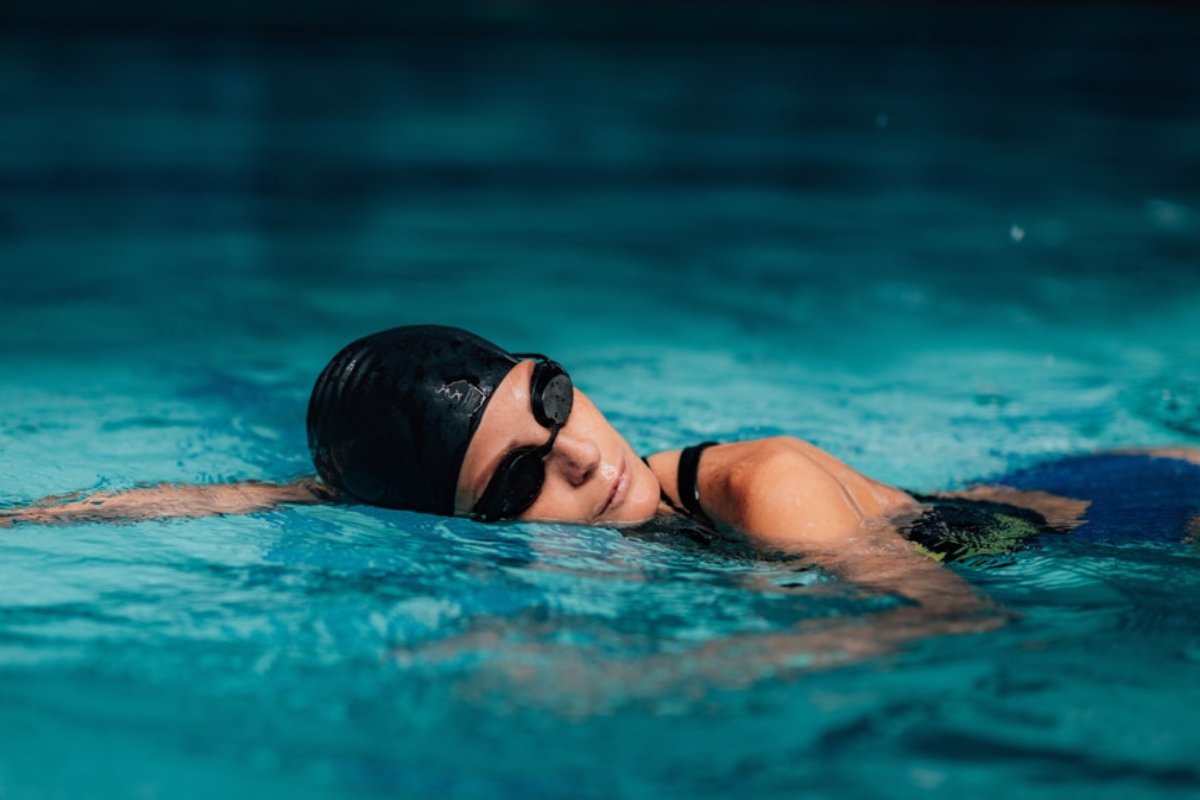
Are you a professional swimmer or diver? Or do you just enjoy indulging yourself in these physical activities? Swimming and diving are indeed perfect ways of keeping yourself fit, having fun, and enjoying the splash. While these activities provide numerous health benefits, it is important to understand their impact on your teeth and what you can do to protect them.
What Impact Does Chlorine Have on Your Teeth?
Swimming pools are treated with chlorine to keep the water free from harmful bacteria. However, excessive exposure to chlorinated water can lead to dental issues over time. Understanding these effects can help you take preventive measures.
Is Chlorine Bad for Your Teeth?
Many swimming pools contain chlorine to keep the water clean and free from bacteria. However, chlorine can have adverse effects on your teeth if you are frequently exposed to it. The pH imbalance caused by chlorinated water can lead to staining, enamel erosion, and tartar buildup.
Staining from Chlorine
If you spend a lot of time in chlorinated swimming pools, you might notice brown or yellow stains on your teeth. This happens as chlorine alters the pH balance in your teeth. However, with proper oral care, you can prevent and treat this oral issue.
Hard Tartar Buildup (Swimmer’s Calculus)
One of the most noticeable effects of chlorine exposure is an oral condition called swimmer’s calculus. This occurs when the interaction between saliva and chlorine causes mineral deposits on your teeth, leading to stubborn tartar buildup. Swimmer’s calculus is difficult to remove with regular brushing and requires professional dental cleaning. To prevent this condition, you must regularly visit your dentist for thorough plaque and tartar removal. Additionally, maintaining proper oral hygiene can help manage this issue effectively.
Does Chlorine Make Your Teeth Yellow?
Chlorine exposure can cause teeth to become discolored over time. The chemical reaction between pool water and your teeth can weaken enamel, making it more susceptible to staining. If your teeth appear yellow after frequent swimming, professional whitening treatments and proper oral care can help restore their natural brightness.
How Does Scuba Diving Affect Your Teeth?
Do you enjoy this exciting sport? If so, you might be amused by the effects it can have on your oral health. They are as follows:
Tooth Squeeze (Barodontalgia)
Scuba divers face a unique dental problem known as barodontalgia, also known as tooth squeeze. This problem happens when pressure changes, causing the air pockets to expand and contract within the teeth. If you have cavities, fillings, or other dental issues, you might experience pain or even damage to your oral condition. You should opt for a dental check-up before diving to ensure your teeth are in top condition and prevent any discomfort underwater.
Increased Risk of Jaw Pain
Diving often requires holding a mouthpiece for extended periods, which can lead to jaw strain and discomfort. This is particularly common among divers who clench their teeth while focusing. If you experience jaw pain or tension after diving, consider discussing it with your dentist for possible solutions.
Effect of Swimming Pool Water on Teeth
Swimming pool water, especially if it has an imbalanced pH, can weaken the enamel over time. Enamel erosion from extended exposure to acidic pool water can make teeth more prone to decay and sensitivity. To protect your teeth, make sure to rinse your mouth with fresh water after swimming and follow a proper oral hygiene routine.
How to Maintain Strong and Healthy Teeth While Swimming or Diving?
Why should dental problems prevent you from enjoying your favorite water sports? With a few simple steps, you can keep your teeth strong and healthy.
Rinse Your Mouth After Swimming
After spending time in a chlorinated pool, it is essential to rinse your mouth with fresh water to remove any leftover chlorine. This step can reduce staining and prevent tartar buildup.
Use Fluoride Toothpaste
Fluoride strengthens the enamel and protects against acid. Using fluoride toothpaste can counteract the effects of chlorine exposure.
Maintain Good Oral Hygiene
As you know, regular brushing and flossing are important. Swimmers and divers should pay more attention to their oral care routine to prevent staining and accumulation of tartar. Using an enamel-strengthening mouthwash and brushing after swimming can help prevent staining and tartar accumulation.
Regular Dental Checkups
If you frequently swim or dive, it is important to visit your dentist regularly. Your oral care provider can check early signs of tooth squeeze, swimmer’s calculus, or any other oral concerns. Professional treatment from a dental practitioner can help in maintaining your oral condition in top shape.
Consider a Custom Mouthguard
For professional swimmers and divers, a custom mouthguard can help protect teeth from chlorine exposure and pressure-related dental issues. A dentist can design a mouthguard tailored to your needs for added protection.
Visit Our Dental Practice for Expert Care
Swimming and diving are excellent for your overall well-being, but they can impact your oral health if proper precautions aren’t taken. By following these preventive measures, you can continue enjoying your time in the water while keeping your smile bright and healthy. If you’re a swimmer or diver, focus on your oral care and book regular appointments with your dentist to keep your teeth in optimal condition.
At our dental practice in Manalapan, our dentists provide expert care to swimmers and divers in Freehold, Marlboro, and surrounding areas. Whether you’re dealing with swimmer’s calculus, tooth staining, or dental pressure issues from diving, our skilled dental team is here to help.