200 Bridge Plaza Dr, Manalapan Township, NJ 07726

Bad breath is something most people experience at some point—whether it’s that dry feeling first thing in the morning, a parent noticing a change in their child’s breath before school, or an adult feeling self-conscious during a conversation at work. It’s one of the most common concerns we hear from families in and around Freehold, and it often raises a simple question: “Is this normal, or is something going on?”
For many patients looking for guidance from a dentist near freehold, understanding the cause of bad breath is the first step toward fixing it in a comfortable, manageable way.
What Causes Bad Breath?
Bad breath, also known as halitosis, usually starts with bacteria in the mouth. These bacteria break down food particles and release odors. While that sounds straightforward, the reasons behind it can vary.
Some of the most common causes include:
- Poor oral hygiene: When brushing and flossing aren’t thorough, food particles remain in the mouth
- Bacteria buildup: Especially along the gumline and between teeth
- Dry mouth: Saliva helps wash away bacteria, so less saliva can lead to stronger odors
- Diet choices: Foods like garlic, onions, and certain spices can linger in the breath
- Smoking or tobacco use: These can dry out the mouth and leave persistent odors
- Underlying dental issues: Cavities or infections can contribute to ongoing bad breath
For busy families in the Freehold area, small daily habits—like skipping flossing after a long day—can quietly contribute to this issue over time.
Common Dental Causes of Bad Breath
In many cases, bad breath is directly related to what’s happening inside the mouth.
- Gum disease: Inflammation and infection in the gums can create a persistent odor
- Tooth decay: Cavities can trap food and bacteria
- Plaque buildup: A sticky film that forms on teeth and contributes to odor
- Tongue bacteria: The surface of the tongue can hold odor-causing bacteria if not cleaned regularly
These are often conditions that develop gradually, which is why they can go unnoticed until symptoms like bad breath become more obvious.
Non-Dental Causes You Should Know
Sometimes, even with good brushing and flossing habits, bad breath can still occur. That’s because not all causes are dental.
- Sinus infections or congestion: Mucus buildup can affect breath
- Allergies: Often linked with mouth breathing and dryness
- Acid reflux: Stomach acids can create an unpleasant taste and smell
- Certain medications: Some reduce saliva flow, leading to dry mouth
- Chronic dry mouth conditions: These can make it harder for the mouth to stay naturally clean
Parents often notice this in children during allergy season, while adults may experience it during periods of stress or medication changes.
How to Fix Bad Breath Effectively
The good news is that most cases of bad breath can be improved with consistent, simple habits.
- Brush twice daily: Make sure to reach all surfaces of the teeth
- Floss daily: This removes food and bacteria between teeth
- Clean your tongue: A tongue scraper or toothbrush can help reduce odor
- Stay hydrated: Drinking water supports saliva production
- Watch your diet: Limiting strong-smelling foods can help in social situations
- Keep up with regular dental visits: Preventive care helps catch issues early
For families balancing school, work, and activities, building these habits into daily routines can make a noticeable difference over time.
When Bad Breath Might Be a Sign of Something More
Occasional bad breath is normal, especially in the morning. However, persistent bad breath may signal something that needs attention.
You may want to look a little closer if you notice:
- Breath that doesn’t improve with brushing or mouthwash
- Bleeding or swollen gums
- Tooth sensitivity or discomfort
- A constant dry or sticky feeling in the mouth
These signs can point to conditions like gum disease or infection, where early care can make a big difference.
How Dentists Help Identify and Treat Bad Breath
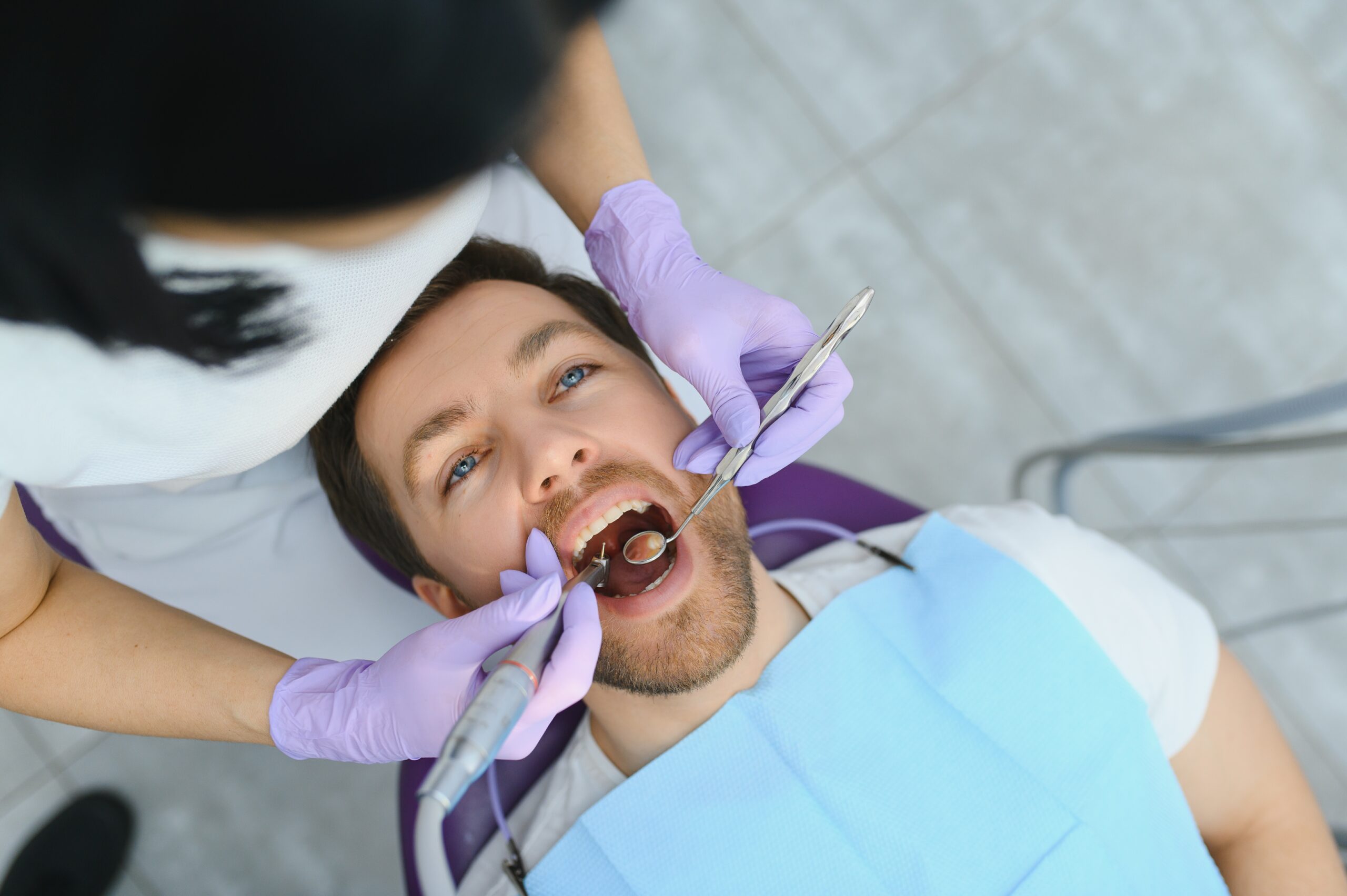
When patients visit a dental office near Freehold with concerns about bad breath, the goal is to understand the full picture—not just the symptom.
Dentists typically:
- Review oral hygiene habits: Looking at brushing and flossing routines
- Check for gum disease or decay: Identifying areas where bacteria may be building up
- Evaluate dry mouth causes: Including lifestyle or medication factors
- Review medical history: To understand any underlying conditions
- Create a preventive plan: Tailored to the patient’s needs and daily routine
This approach helps address the root cause, not just mask the problem.
A Simple Step Toward Better Oral Health
If bad breath has been something you’ve noticed in yourself or your child, it’s completely okay to bring it up. These conversations are a normal part of dental care and often lead to simple, effective solutions.
If you’d like to talk through your concerns or get a better understanding of what might be causing it, you can visit our Manalapan dental office to have a calm, informative conversation about your oral health.
FAQs
What is the most common cause of bad breath?
The most common cause is bacteria buildup due to incomplete brushing and flossing, especially around the gums and tongue.
Can bad breath go away with brushing alone?
Brushing helps, but flossing and tongue cleaning are just as important for fully addressing the issue.
Should I be worried about chronic bad breath?
If it doesn’t improve with good oral hygiene, it’s worth having it evaluated to rule out gum disease or other concerns.
Can kids have bad breath too?
Yes, children can experience bad breath, often due to plaque buildup, dry mouth, or even seasonal allergies.
When should I see a dentist for bad breath?
If bad breath is persistent, or if you notice other symptoms like gum irritation or discomfort, it’s a good idea to have it checked.