200 Bridge Plaza Dr, Manalapan Township, NJ 07726
Many people wonder when it’s actually safe to start brushing their teeth after having a tooth pulled. While doing it too soon could lead to discomfort or complications, waiting too long may slow down your healing process. Whether you’ve recently had a tooth removed or are getting ready for one, this blog provides friendly, accurate guidance on when brushing is safe after extraction.
Let’s break down the steps to help you care for your mouth properly during recovery.
When Can You Start Brushing After Tooth Extraction?
Right After Extraction
- Be careful not to touch the blood clot at the extraction point.
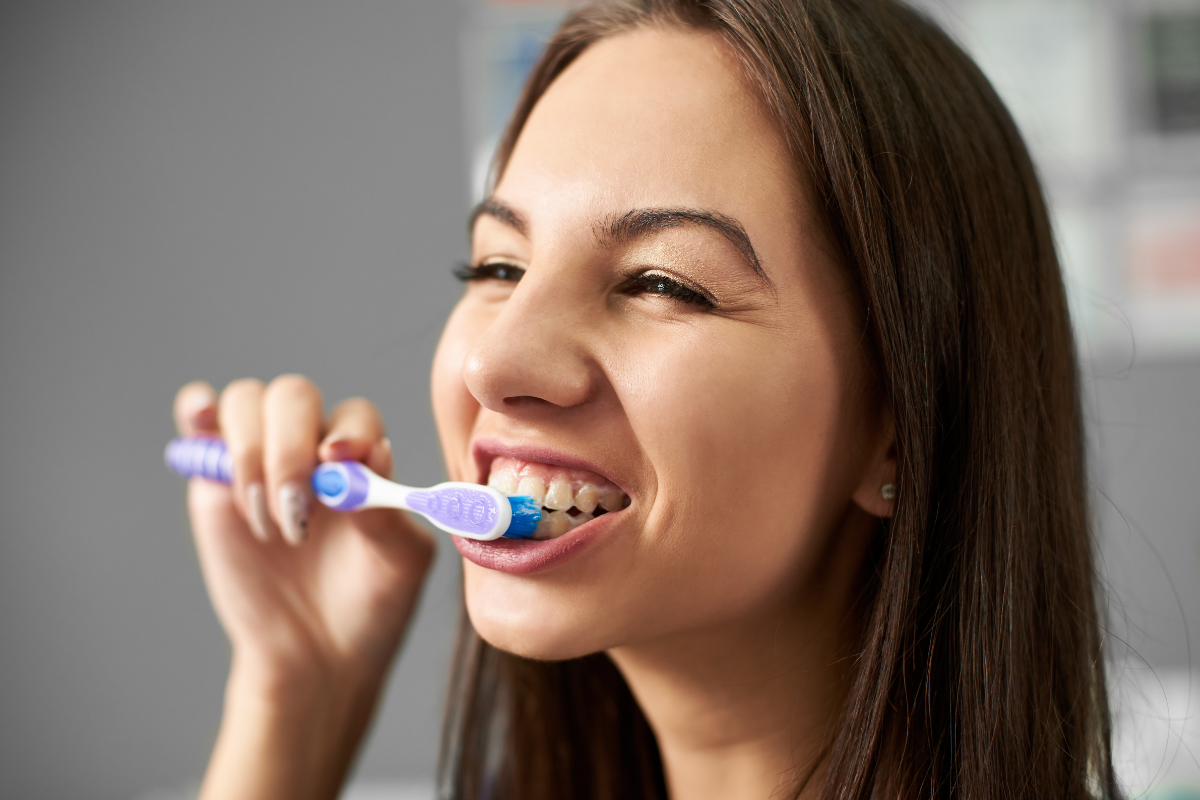
- Brush only the other teeth—softly and slowly—using a soft-bristled toothbrush in small circles.
- Avoid rinsing vigorously, using straws, chewing on the affected side, or spitting forcefully. These actions can dislodge the clot and lead to dry socket, a painful complication.
- Your dentist may recommend skipping toothpaste on Day 1 and just gently cleaning around the area.
Days 1–3: Gentle Care
- Begin cleaning the adjacent teeth gently, but do not allow the brush to touch the wound.
- If your dentist placed dissolvable stitches, you can start gentle saltwater rinses after meals (½ teaspoon of salt in 8 ounces of warm water).
- Only use a chlorhexidine rinse if prescribed—typically once in the morning and once before bed for one minute each.
- Still wondering, “When can I start using toothpaste after tooth extraction?” Most patients can reintroduce non-abrasive toothpaste (like a sensitive formula) around Day 3, but be cautious not to irritate the socket.
Days 4–7: Near-Normal Brushing
- By now, most sockets are healing well.
- You may brush close to the extraction site, but stay gentle if tenderness lingers.
- You can resume flossing other teeth while continuing to avoid direct contact with the healing site.
- If you’re thinking, “When can I brush my teeth with toothpaste after an extraction?”—this is usually the safe window to do so using mild toothpaste and a soft brush.
After One Week: Return to Routine
- By this stage, the blood clot has usually stabilized, and the risk of dry socket is minimal.
- You can now resume brushing and flossing your entire mouth, including the site of the extraction, unless your dentist advises otherwise.
- If sensitivity persists or you’re unsure which toothpaste is best after tooth extraction, don’t hesitate to ask your provider for a recommendation.
Listen to Your Mouth
Even after a week, if the area feels sore, reduce pressure on that side while brushing. Your healing process is unique—trust what your mouth tells you. When in doubt, reach out to a trusted dentist for tailored advice. Our dentist near Marlboro is always ready to guide you with care tips that suit your individual recovery needs.
Extra Tips for Better Healing
- Stick to soft foods and chew on the opposite side of your mouth during the first 24–48 hours.
- Avoid hot drinks and alcohol for a few days, as they can interfere with healing.
- Rest well and limit strenuous activity during initial recovery.
- Keep your head slightly elevated when lying down to reduce bleeding and swelling.
Why Brushing Matters
Proper brushing after an extraction prevents infection, supports faster healing, and keeps your mouth feeling clean. If you’ve been wondering, “Can you use toothpaste after tooth extraction?”—yes, but timing and technique are key.
If you’re looking for gentle care and expert guidance through the recovery process, our trusted dentist at Adult & Pediatric Dental Studio is here to help. Whether it’s a simple extraction or a more complex procedure, our team ensures your comfort and recovery every step of the way.