200 Bridge Plaza Dr, Manalapan Township, NJ 07726
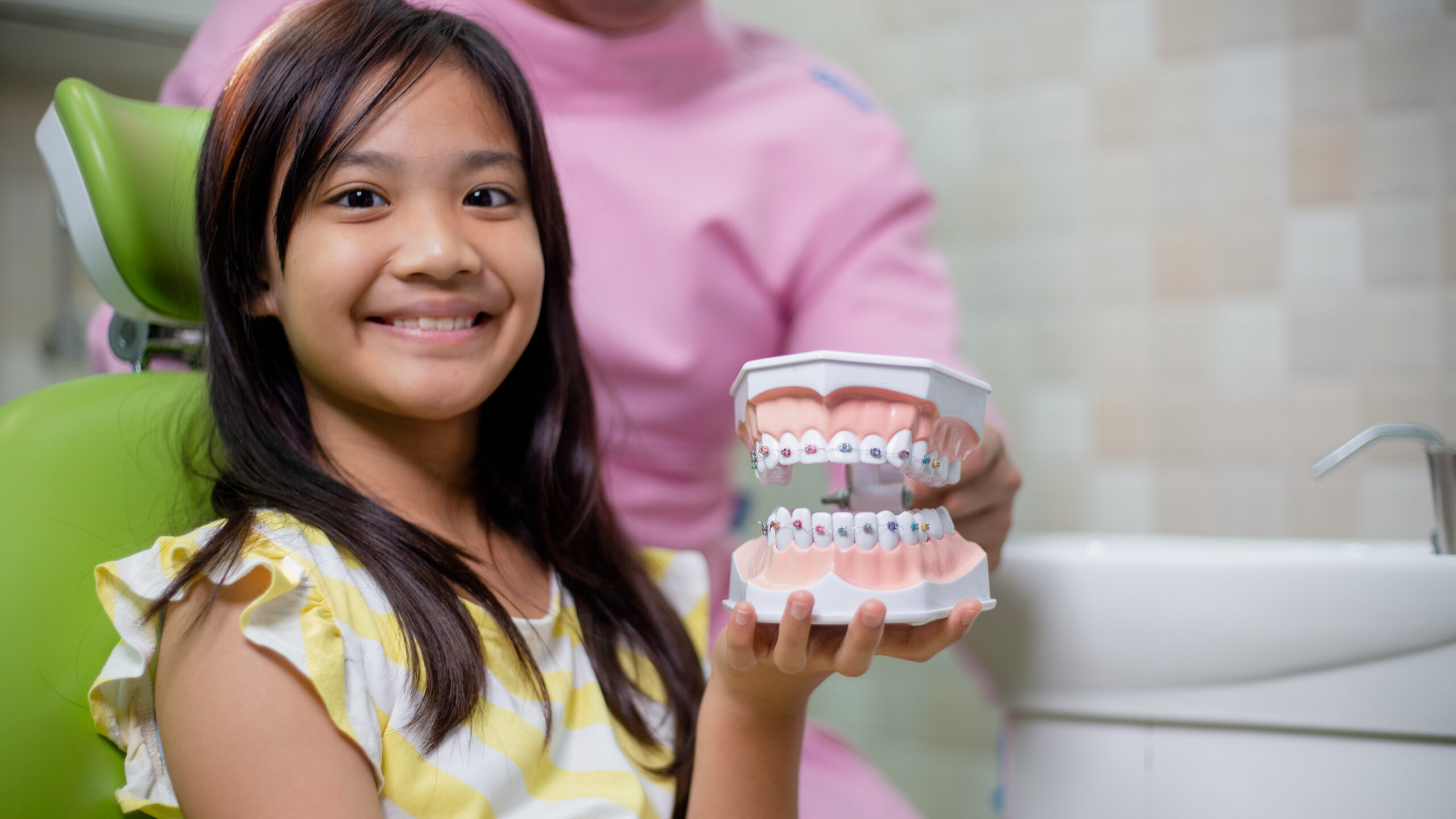
Parents often begin noticing small changes in their child’s smile during everyday routines—while helping with brushing before school, looking through family photos, or hearing a child mention that chewing feels a little uncomfortable. Sometimes it’s crooked teeth becoming more noticeable as adult teeth start to come in. In other cases, parents may see spacing concerns or habits like thumb-sucking continuing longer than expected.
These observations often lead to a common question: When should a child’s orthodontic care begin?
According to the American Association of Orthodontists, children should have an orthodontic evaluation by around age seven. At this stage, the mouth is still developing, which allows dental professionals to observe how the jaw and permanent teeth are growing. An early assessment can help determine whether monitoring growth is sufficient or if certain concerns should be addressed sooner. Families interested in learning more about early orthodontic evaluation and how it supports developing smiles often begin by discussing these observations with their dental team.
Why Early Orthodontic Evaluation Matters
During childhood, the jaw and facial structures are still growing. This period of development offers an opportunity to identify bite concerns or alignment issues before they become more complex.
An early orthodontic evaluation focuses on understanding how a child’s teeth and jaw are developing. Dental professionals look at several factors, including how the upper and lower teeth meet, whether there is enough space for permanent teeth, and whether the jaw is growing in a balanced way.
In many cases, no immediate treatment is necessary. Instead, children may return for periodic observation visits to monitor growth patterns. However, identifying potential concerns early can help guide teeth into healthier positions and reduce the likelihood of more complicated treatment later.
For families in communities like Manalapan and nearby areas such as Freehold or Marlboro, early orthodontic observation can provide helpful reassurance during the years when permanent teeth are still emerging.
7 Signs Your Child May Need Braces Early
Every child’s dental development is unique, but certain signs may indicate that an orthodontic evaluation could be helpful.
1. Crowded or Crooked Teeth
When permanent teeth begin to emerge, some overlap or crowding may appear. If there is limited space for adult teeth, they may grow in at unusual angles or overlap with neighboring teeth. Early monitoring can help determine whether spacing adjustments may be beneficial.
2. Early or Late Loss of Baby Teeth
Baby teeth serve an important role in guiding permanent teeth into place. Losing them much earlier or later than expected may affect spacing in the developing smile and could influence how adult teeth emerge.
3. Difficulty Biting or Chewing
If a child frequently struggles when biting into foods or seems to chew unevenly, this could suggest bite alignment concerns. Proper bite function allows teeth to meet comfortably and work together during eating.
4. Thumb-Sucking or Other Oral Habits
Habits such as prolonged thumb-sucking or frequent tongue-thrusting can influence jaw growth and tooth positioning over time. If these habits continue as permanent teeth begin to appear, a dental evaluation may help determine whether intervention is needed.
5. Teeth That Stick Out
Teeth that extend forward significantly may be more vulnerable to injury during play or sports activities. In some cases, early orthodontic guidance can help reduce this risk by improving alignment.
6. Jaws That Shift or Make Sounds
Parents sometimes notice that their child’s jaw shifts while opening or closing the mouth, or they may hear clicking sounds. These changes can occasionally signal bite imbalances that benefit from monitoring during growth.
7. Noticeable Bite Problems
Certain bite patterns can be easier to correct when addressed during early development. These may include:
- Overbite – upper teeth overlapping the lower teeth significantly
- Underbite – lower teeth positioned in front of upper teeth
- Crossbite – upper teeth sitting inside the lower teeth
- Open bite – upper and lower teeth not meeting when the mouth closes
When these conditions appear early, monitoring jaw growth may help guide the developing bite.
What Happens During an Early Orthodontic Evaluation
An early orthodontic visit is typically a comfortable and straightforward experience for children. The dental team begins by examining the teeth, jaw alignment, and bite function.
During the evaluation, they may assess:
- How permanent teeth are emerging
- Whether there is enough space for incoming teeth
- Jaw growth and facial development
- Bite balance between upper and lower teeth
In some cases, early orthodontic appliances may be discussed if they could help guide development. These may include partial braces, palatal expanders, or space maintainers. For many children, however, the most appropriate plan is simply observation, with periodic visits to track growth and determine the right timing for future orthodontic care.
How Orthodontic Care for Children Is Planned Thoughtfully
Orthodontic care for children involves careful evaluation rather than a one-size-fits-all approach. Each child’s facial growth, tooth development, and bite relationship are unique.
When planning orthodontic care, dental professionals typically consider several factors:
- The direction and pace of facial growth
- How the upper and lower jaws align
- Available space for permanent teeth
- Current oral habits that may affect development
- Long-term oral health and bite stability
Sometimes early guidance can help direct growth in a healthier way. In other situations, waiting until more permanent teeth have erupted allows for more predictable treatment planning. A thoughtful approach ensures that decisions support both appearance and long-term dental function.
Exploring Orthodontic Guidance for Your Child
Parents often notice subtle changes in their child’s smile long before orthodontic treatment becomes necessary. Asking questions about tooth development, spacing, or bite alignment can help families better understand how their child’s smile is progressing.
For families interested in learning more about orthodontic development, you can visit our Manalapan dental office to discuss concerns about your child’s teeth and jaw growth. Scheduling a consultation allows time to review your child’s development and determine whether observation or early orthodontic care may be appropriate.
FAQs
At what age should a child have their first orthodontic evaluation?
The American Association of Orthodontists recommends an initial evaluation around age seven. By this age, enough permanent teeth have emerged to allow dental professionals to observe growth patterns and identify potential concerns.
Do all children need braces early?
No. Many children simply require periodic observation visits while their teeth and jaws continue developing. Early treatment is recommended only when it may help guide growth or prevent more complicated issues later.
Are early orthodontic treatments uncomfortable for children?
Most early orthodontic treatments are designed to be gentle and gradual. Children may experience mild adjustment as they get used to an appliance, but significant discomfort is uncommon.
What happens if orthodontic problems are not addressed early?
Some concerns may become more complex if they are not monitored during growth. Early observation helps dental professionals determine whether intervention is beneficial or whether treatment can wait until the teenage years.
How often should children have orthodontic checkups?
If no immediate treatment is needed, orthodontic observation visits are often scheduled every six months to one year. These visits allow the dental team to track development and identify the most appropriate timing for future care.