200 Bridge Plaza Dr, Manalapan Township, NJ 07726
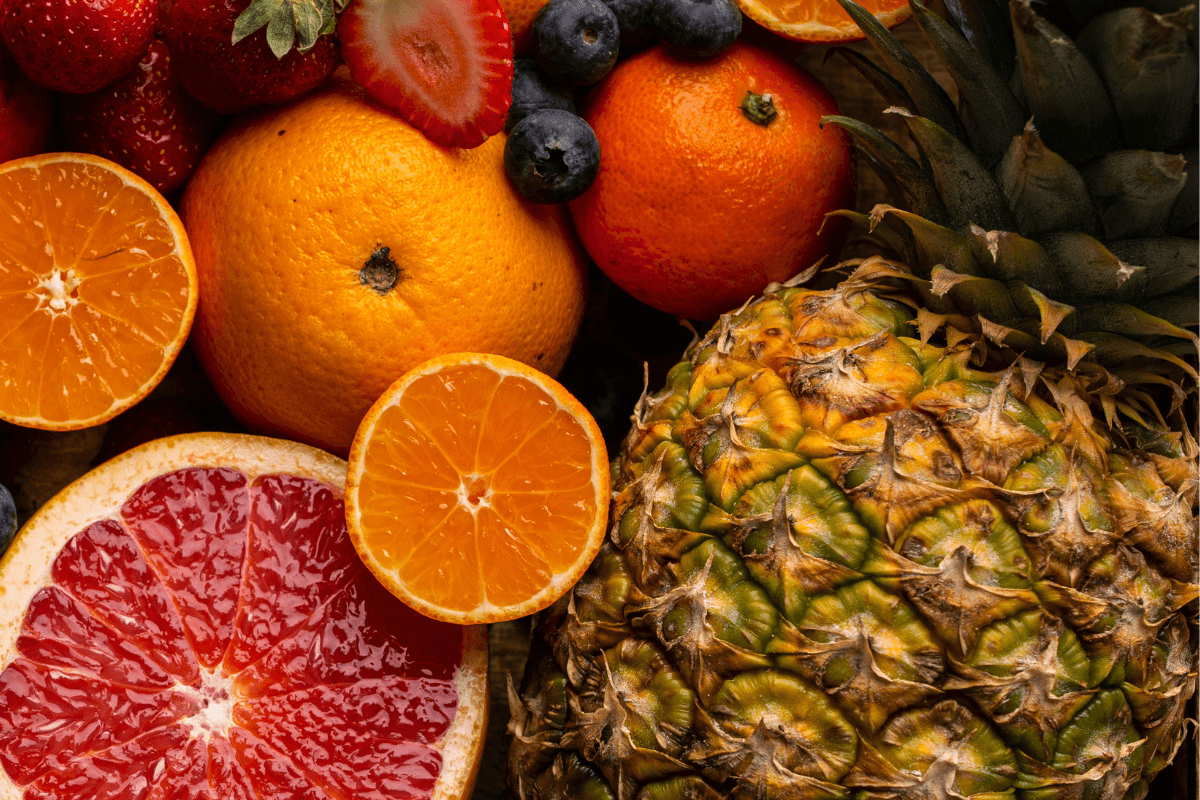
Fruits are often celebrated as nature’s candy — full of vitamins, antioxidants, and fiber that benefit your overall health. But when it comes to your teeth, things aren’t always as sweet as they seem. Many people wonder: Can the sugar from fruits cause cavities? The short answer is yes — but it’s a little more complicated than that.
As our dentist often explains to Freehold patients, not all fruits are equally risky for your teeth, and there are ways to enjoy them without harming your smile. If you’ve ever asked, What fruits are bad for cavities? or Is the sugar in fruit bad for you?, this guide will give you the answers you need.
How Fruits Can Lead to Cavities
Cavities occur when bacteria in your mouth feed on sugars, producing acids that erode tooth enamel. While fruit sugar (fructose) is natural, it can still fuel this process. Acidic fruits like citrus can also directly weaken enamel, making teeth more vulnerable to decay.
Key reasons fruits can cause cavities:
- Natural sugars: Even healthy sugars can feed cavity-causing bacteria.
- Acidic nature: Some fruits lower your mouth’s pH, which softens enamel.
- Sticky texture: Fruits like raisins cling to teeth, prolonging sugar exposure.
- Frequent snacking: Constant fruit consumption doesn’t give enamel time to recover.
Our dentist recommends that Freehold families not eliminate fruits entirely, but balancing your intake and practice smart oral hygiene.
Fruits That Are More Likely to Cause Cavities
If you’re concerned about dental health, here’s what to watch out for:
- Citrus fruits (oranges, lemons, limes, grapefruits) – High acidity can wear down enamel over time.
- Dried fruits (raisins, dates, figs) – Concentrated sugar plus stickiness make them a cavity risk.
- Bananas – Soft and sticky texture can linger on teeth.
- Grapes and cherries – Naturally high in sugar content.
- Pineapple – Both sweet and acidic, increasing enamel erosion potential.
While these fruits are healthy in moderation, eating them in large amounts — or without rinsing or brushing afterward — can increase your cavity risk.
Fruits That Are Kinder to Your Teeth
Not all fruits are a problem. In fact, some can even help protect your teeth.
- Apples – High in fiber and water, they stimulate saliva and help rinse teeth.
- Strawberries – Contain malic acid, which can help whiten teeth naturally.
- Pears – Neutralize mouth acids better than other fruits.
- Kiwi – Packed with vitamin C for gum health, but not overly acidic.
These fruits still contain sugar, so portion control and dental care are important. But when it comes to which fruit is best for teeth, these are excellent choices.
Smart Ways to Eat Fruits Without Damaging Your Teeth
If you’re worried about cavities but love fruit, you don’t have to give it up entirely. Here are some dentist-approved tips from Adult & Pediatric Dental Studio:
- Pair fruits with meals instead of eating them as stand-alone snacks.
- Rinse your mouth with water after eating acidic or sweet fruits.
- Avoid brushing immediately after acidic fruits — wait 30 minutes to prevent enamel damage.
- Use a straw when drinking fruit juices to minimize direct tooth contact.
- Balance your diet with calcium-rich foods like cheese or yogurt to protect enamel.
What Our Dentist near Freehold Wants You to Remember
Fruits are part of a healthy diet, but their sugar and acid content can harm your teeth if not managed properly. Cavities aren’t caused by fruit alone — they’re the result of a combination of diet, oral hygiene habits, and frequency of sugar exposure.
Regular visits to your dentist will help detect early signs of enamel erosion or decay, allowing you to enjoy your favorite fruits while keeping your teeth healthy.
FAQs About Fruits and Cavities
1. What fruits are bad for cavities?
Citrus fruits, dried fruits, bananas, and pineapples are higher-risk due to sugar, stickiness, or acidity.
2. Can the sugar from fruits cause cavities?
Yes. Natural sugar in fruits can feed harmful bacteria, leading to tooth decay if oral hygiene is poor.
3. What fruit does not cause cavities?
No fruit is completely cavity-proof, but apples, pears, and strawberries are gentler on teeth.
4. Which fruit can reverse cavities?
No fruit can reverse existing cavities, but fibrous fruits like apples can help clean teeth and promote saliva production, which protects enamel.
5. Is the sugar in fruit bad for you?
In moderation, natural fruit sugar is fine for most people’s health, but excessive exposure to teeth can still cause damage.
6. What food gives the most cavities?
Sticky, sugary foods (like dried fruits and candies) pose the highest cavity risk.
Final Takeaway
Fruits are essential for good health, but being mindful about how and when you eat them can make all the difference for your smile. Choose less acidic, high-fiber fruits, rinse after eating, and maintain consistent brushing and flossing habits.
Your teeth deserve as much care as the rest of your body — and for the Freehold families, with guidance from our dentist, you can keep enjoying the sweetness of fruit without paying the price in cavities.