
200 Bridge Plaza Dr, Manalapan Township, NJ 07726
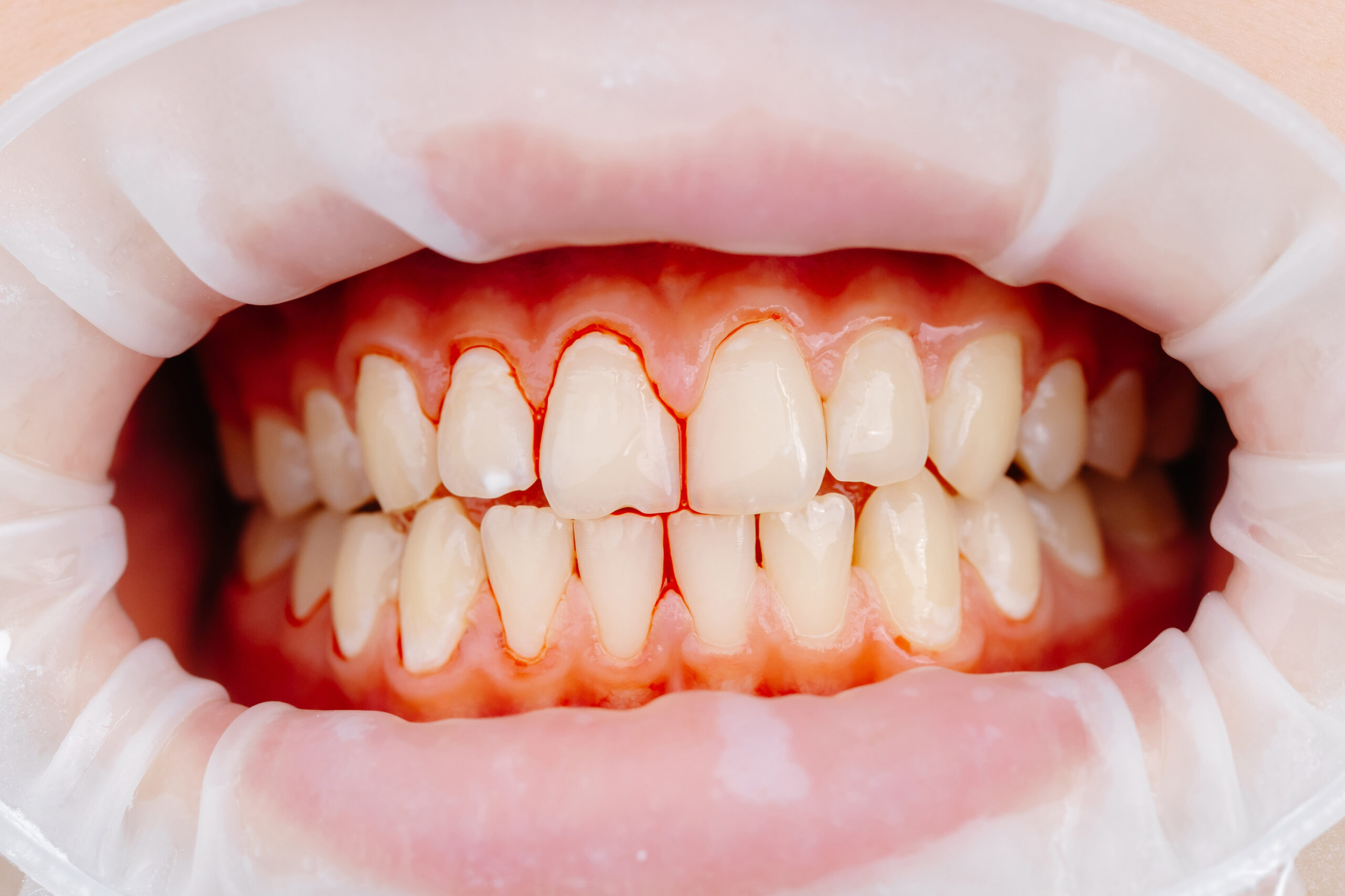
It’s not uncommon for patients to notice a little blood in the sink while brushing or flossing. Parents sometimes see it when helping a child clean along the gumline, and adults may notice mild gum irritation after skipping flossing for a few days. These small moments often lead to the same question: Are bleeding gums normal?
In many cases, bleeding gums are an early sign that the gum tissue has become irritated or inflamed. The good news is that when addressed early, gum concerns are often manageable with consistent oral care and professional guidance. For patients who notice ongoing symptoms, learning about gum disease treatment can help them understand how dentists approach improving long-term gum health.
Families seeking guidance from experienced dental professionals serving the Freehold area often ask similar questions about gum bleeding. Understanding what causes it—and how to prevent it—can help both adults and children maintain healthier smiles.
What Causes Bleeding Gums?
Gum tissue is naturally delicate and contains many small blood vessels. When plaque accumulates along the gumline, it can irritate the surrounding tissue. This irritation triggers inflammation, which makes the gums more sensitive and prone to bleeding during brushing or flossing.
Common causes of bleeding gums include:
- Plaque buildup along the gumline
- Gingivitis, an early stage of gum inflammation
- Inconsistent brushing or flossing habits
- Hormonal changes that increase gum sensitivity
- Certain medications that affect oral tissues
- Underlying medical conditions influencing gum health
When inflammation is present, the gum tissue becomes swollen and more fragile. Even gentle brushing may cause minor bleeding. While this can be concerning to see, it often signals that the gums need more attention and care.
Gingivitis: The Most Common Cause
One of the most frequent reasons for bleeding gums is gingivitis. This early stage of gum inflammation develops when plaque remains on the teeth and irritates the gumline.
Signs of gingivitis may include:
- Red or slightly swollen gums
- Bleeding during brushing or flossing
- Mild gum tenderness
- Occasional bad breath
The encouraging part is that gingivitis is typically reversible. With improved brushing habits, regular flossing, and professional dental cleanings, gum tissue can return to a healthier state.
Many families in Manalapan Township learn that addressing these symptoms early prevents them from developing into more advanced gum conditions later on.
Other Possible Causes of Gum Bleeding
Although gingivitis is the most common cause, several other factors may contribute to gum bleeding.
For example, brushing too aggressively or using a hard-bristled toothbrush can irritate the gumline. Switching to a soft-bristle brush and using gentle circular motions often helps reduce irritation.
Poorly fitting dental appliances or orthodontic devices may also cause localized gum irritation if they rub against the tissue.
In some situations, nutritional deficiencies—particularly low vitamin C—can affect gum health. Hormonal changes during pregnancy may also make gums more sensitive and prone to bleeding.
Medical conditions that influence inflammation or blood clotting may occasionally contribute as well. When gum bleeding continues despite good oral care, a dental evaluation can help identify the underlying cause.
How to Prevent Bleeding Gums
Healthy gums rely on consistent daily care. Fortunately, preventing gum irritation often comes down to simple habits practiced at home.
Helpful preventive steps include:
- Brushing twice daily with a soft-bristle toothbrush
- Flossing gently but consistently to remove plaque between teeth
- Scheduling regular professional cleanings
- Maintaining a balanced diet that supports gum health
- Attending routine dental exams
Parents helping children brush may find it useful to guide the toothbrush along the gumline gently. Establishing these habits early can help children develop strong oral care routines that continue into adulthood.
In busy communities like Manalapan Township, where family schedules often include school activities, work commutes, and community events, consistent daily habits make a meaningful difference in maintaining gum health.
When to See a Dentist About Bleeding Gums
Occasional bleeding after flossing may occur when gums are irritated. However, certain signs suggest it may be helpful to seek professional guidance.
Consider scheduling a dental evaluation if you notice:
- Bleeding that continues for several days
- Swollen or tender gum tissue
- Persistent bad breath
- Gums that appear to pull away from teeth
- Teeth that feel slightly loose
Early evaluation helps dentists determine whether gum inflammation is present and recommend appropriate steps to improve oral health. Addressing concerns sooner often leads to simpler solutions.
How Dentists Evaluate and Treat Gum Health
When a patient mentions bleeding gums, the dental team typically begins by listening carefully to their symptoms and oral care habits.
A comprehensive exam may include:
- Evaluating the appearance of the gum tissue
- Checking for plaque or tartar buildup
- Measuring small spaces between the teeth and gums
- Assessing overall oral health and hygiene patterns
Based on these findings, treatment may involve a professional cleaning to remove plaque and tartar deposits. Dentists may also provide guidance on improving brushing or flossing techniques at home.
If signs of gum disease are present, early periodontal care may be recommended to help reduce inflammation and restore healthier gum tissue.
This thoughtful approach focuses on improving daily habits while supporting long-term oral health.
Supporting Long-Term Gum Health
Families who notice ongoing gum bleeding often find it helpful to discuss their symptoms with a dental professional. Open conversations about oral hygiene routines and gum health can provide clarity and reassurance.
If bleeding gums continue or raise concerns, you can contact our dental office in Manalapan Township to speak with our team. A personalized evaluation can help identify possible causes and guide the next steps for improving and maintaining healthy gums.
FAQs
Why do my gums bleed when I brush?
Bleeding during brushing often occurs when plaque irritates the gumline. Inflamed gum tissue becomes more sensitive, making it easier to bleed when touched by a toothbrush or floss.
Can bleeding gums go away on their own?
If caused by mild irritation or early inflammation, gums may improve with consistent brushing and flossing. However, persistent bleeding should be evaluated by a dental professional.
Is gum bleeding always a sign of gum disease?
Not always. Gum bleeding may result from aggressive brushing, hormonal changes, or temporary irritation. However, it can also be an early sign of gingivitis, which is why monitoring symptoms is important.
How can I stop my gums from bleeding while flossing?
Floss gently and consistently. When flossing becomes part of a daily routine, gum tissue often becomes healthier and less prone to bleeding over time.
Are bleeding gums common in children?
Children may occasionally experience mild gum irritation, especially when brushing habits are inconsistent. Parents can help by supervising brushing and encouraging daily flossing to support healthy gum development.