
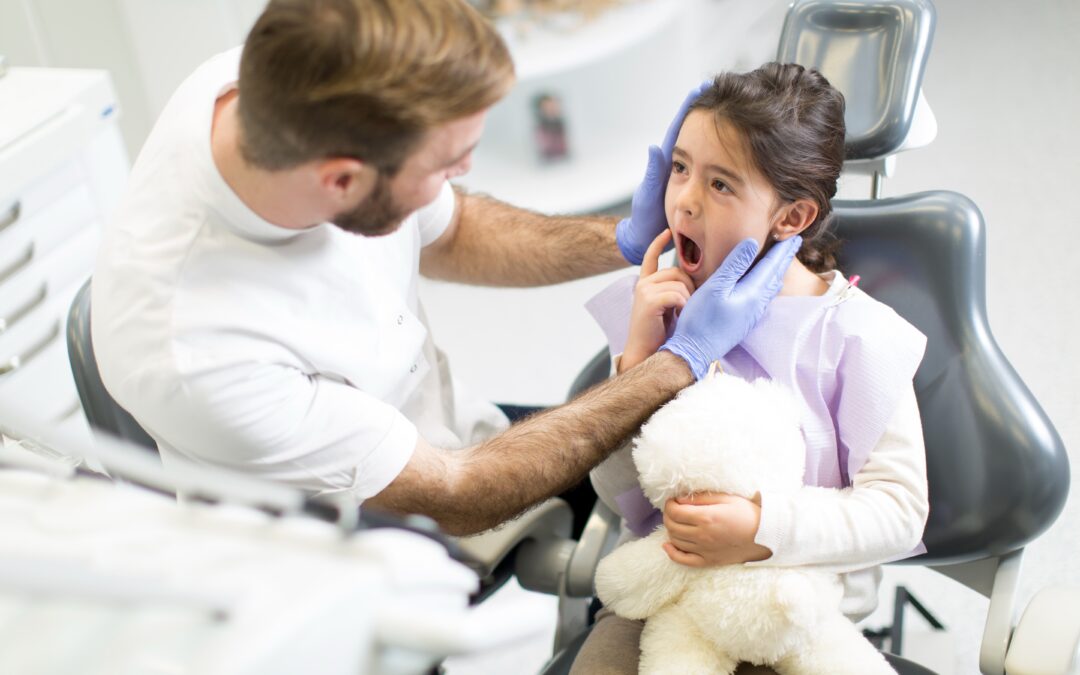
A child’s smile changes quickly in the early years. One month, everything seems perfectly normal. Then suddenly, there is tooth sensitivity during breakfast, a complaint about pain before bedtime, or a stubborn habit like thumb-sucking that refuses to stop. Many parents assume these issues are temporary. However, some early warning signs can quietly point toward bigger dental concerns developing underneath the surface.
Children do not always know how to explain discomfort clearly. A small cavity may sound like “my tooth feels funny.” Jaw development concerns may appear as difficulty chewing or mouth breathing during sleep. Learning the signs your child needs to see a dentist early can help parents avoid larger oral health concerns later. The earlier these problems are identified, the easier they are to manage.
At Adult & Pediatric Dental Studio, families receive comprehensive pediatric dental care designed to help children feel comfortable, supported, and confident during every stage of growth. Under the guidance of David S. Moran and the practice’s pediatric dental team, children receive preventive-focused care in a welcoming environment built around education, comfort, and early intervention. Parents searching for a trusted Monroe Pediatric Dentist often want answers before small concerns become stressful problems later.
Why Early Dental Visits Matter More Than Many Parents Realize
Many childhood dental conditions begin quietly. Cavities, bite concerns, enamel weakness, and gum irritation often develop gradually before obvious pain appears. An early dental visit for children allows these issues to be identified before they interfere with eating, speech development, sleep quality, or permanent tooth eruption.
The American Academy of Pediatric Dentistry recommends a child’s first dental visit by age one or within six months of the first tooth appearing. Early visits help children become familiar with the dental environment while giving parents valuable guidance about oral development, nutrition, hygiene habits, and cavity prevention.
In growing communities near Manalapan, many parents balance school schedules, sports activities, and busy family routines. Dental concerns can easily be overlooked until discomfort becomes more noticeable. Understanding when a child needs an early dental appointment can help parents act sooner and protect their child’s long-term oral health.
What Signs Could Mean Your Child Needs A Dental Visit Sooner?
Some symptoms deserve immediate attention, while others may appear small at first but still indicate developing oral health problems. These are some common signs your child should visit the dentist sooner rather than waiting for a routine checkup.
Persistent Tooth Pain Or Sensitivity
Children sometimes describe dental discomfort in unusual ways. They may avoid cold foods, chew on one side of the mouth, or suddenly dislike brushing certain teeth.
Watch for signs like:
- Complaints about pain while eating
- Sensitivity to cold drinks or sweets
- Waking up at night because of tooth discomfort
- Refusing certain foods unexpectedly
- Pain that comes and goes repeatedly
Even mild sensitivity can indicate early decay, enamel wear, or infection beginning beneath the surface.
Are White Spots Or Brown Marks On Teeth A Warning Sign?
Yes. Small white patches near the gums may indicate early enamel demineralization before cavities fully form. Brown, yellow, or dark spots can signal active decay already developing.
These are often overlooked signs that a child needs a dental checkup, especially when there is no pain yet. Early treatment often prevents the need for larger restorative procedures later. Pediatric dental visits help identify these areas before deeper tooth damage occurs.
At a practice focused on prevention and early intervention, children may benefit from:
- Gentle cleanings and polishings
- Fluoride treatments
- Dental sealants
- Less-invasive treatment approaches
- Parent education on cavity prevention
These preventive services are part of the comprehensive pediatric care offered at Adult & Pediatric Dental Studio.
Does Chronic Thumb-Sucking Affect Dental Development?
Thumb-sucking and prolonged pacifier use are common in younger children. However, if these habits persist for too long, they may begin to affect jaw growth and tooth alignment.
Parents may notice:
- Front teeth beginning to protrude
- Bite changes
- Difficulty closing the mouth naturally
- Speech development concerns
- Narrowing of the upper jaw
Early evaluation allows pediatric dental professionals to monitor development and recommend supportive solutions before orthodontic concerns become more complex later
Why Does Bad Breath Often Signal Dental Problems?
Occasional bad breath after meals is normal. Persistent bad breath that does not improve with brushing may indicate underlying oral health concerns.
Potential causes include:
- Tooth decay
- Gum inflammation
- Food trapped between teeth
- Dry mouth
- Oral infections
- Poor brushing habits
Children often struggle to clean hard-to-reach areas effectively, especially during the early years of independent brushing. Regular professional cleanings help reduce bacteria buildup while teaching children better hygiene habits.
Is there a Link Between Mouth Breathing and Oral Health?
Many parents are surprised to learn that chronic mouth breathing can influence oral development. Children who frequently breathe through their mouths may experience dry mouth, altered jaw growth, sleep disruption, or increased cavity risk.
Signs parents often notice include:
- Sleeping with the mouth open
- Dry lips in the morning
- Frequent snoring
- Irritability after poor sleep
- Crowded teeth developing early
A pediatric dental evaluation may help identify whether oral structures, habits, or airway-related factors are contributing to these patterns.
What If A Baby Tooth Falls Out Too Early?
Baby teeth play an important role in guiding permanent teeth into their proper position. Losing one tooth too early because of trauma or decay can affect spacing and future bite development.
Children should be evaluated if they experience:
- Early tooth loss
- Dental injuries during sports or play
- Chipped or cracked teeth
- Swelling around a tooth
- Bleeding that does not stop easily
The pediatric dental team at Adult & Pediatric Dental Studio provides care for tooth pain and trauma while helping parents understand the next steps after dental injuries.
Why Are Regular Dental Visits Important Even Without Symptoms?
Some dental problems develop silently. Cavities between teeth, bite concerns, gum inflammation, and developmental changes are not always visible at home.
Routine pediatric visits help monitor:
- Tooth eruption patterns
- Jaw growth
- Orthodontic development
- Oral hygiene habits
- Nutrition-related cavity risks
- Enamel strength
- Gum health
Preventive care also helps children feel more comfortable during appointments over time. Positive early experiences often reduce dental anxiety later in life.
Families looking for compassionate Monroe Pediatric Dentistry often value an environment where children feel relaxed, encouraged, and supported throughout treatment.
How Can Parents Help Children Feel Comfortable Before Their Visit?
Dental anxiety sometimes begins before children ever enter the office. Parents can help create a calmer experience by keeping conversations positive and simple.
Helpful strategies include:
- Avoid using words like “pain” or “shot”
- Read child-friendly dental books beforehand
- Schedule visits earlier in the day when children feel rested
- Allow children to ask questions openly
- Stay calm and encouraging during appointments
At Adult & Pediatric Dental Studio, children are welcomed into a fun, supportive environment designed to reduce fear and build confidence around dental care. The practice emphasizes communication, patient coaching, and gentle care tailored to each child’s comfort level.
Helping Young Smiles Stay Healthy Through Every Stage Of Growth
Children’s oral health changes rapidly as they grow. Small concerns that seem minor today can sometimes influence comfort, confidence, sleep, eating habits, and long-term dental development later. Early dental visits help parents stay ahead of problems before they become more difficult to treat.
Families searching for a compassionate pediatric dentist in Monroe often want more than routine cleanings. They want guidance, reassurance, and a team that understands how to make children feel comfortable while protecting their growing smiles.
At Adult & Pediatric Dental Studio, families receive comprehensive care designed around prevention, education, and long-term oral health. If your child has been showing signs of discomfort, sensitivity, bite changes, or delayed dental development, now is an excellent time to schedule a visit and receive professional guidance from a team focused on helping children smile with confidence
FAQs
At what age should a child first visit a pediatric dentist?
Most children should visit a pediatric dental office by their first birthday or within six months after the first tooth appears. Early visits help monitor oral development and provide parents with preventive guidance before dental problems begin.
How do I know if my child has a cavity?
Children with cavities may complain about sensitivity, pain while eating, bad breath, or discomfort when brushing. Some cavities also appear as white, brown, or dark spots on teeth. A dental exam can confirm whether decay is developing.
Is thumb-sucking always harmful to teeth?
Thumb-sucking during infancy is common. However, prolonged habits may eventually affect bite alignment and jaw development. Pediatric dental evaluations help determine whether the habit is beginning to influence your child’s oral growth.
Why are baby teeth important if they eventually fall out?
Baby teeth help children chew properly, speak clearly, and guide permanent teeth into correct positions. Losing them too early because of decay or trauma may affect future alignment and spacing.
What causes bad breath in children even after brushing?
Persistent bad breath may result from cavities, gum irritation, food buildup, dry mouth, or oral infections. If the odor continues despite regular brushing, a dental evaluation may help identify the underlying cause.
Can mouth breathing affect my child’s teeth?
Yes. Chronic mouth breathing may contribute to dry mouth, increased cavity risk, altered jaw growth, and crowded teeth. Early dental evaluations help monitor how breathing habits may influence oral development.
How often should children visit a pediatric dental office?
Most children benefit from dental checkups every six months. Regular visits allow the dental team to monitor growth, identify concerns early, provide preventive care, and help children maintain healthy oral habits over time.