
200 Bridge Plaza Dr, Manalapan Township, NJ 07726
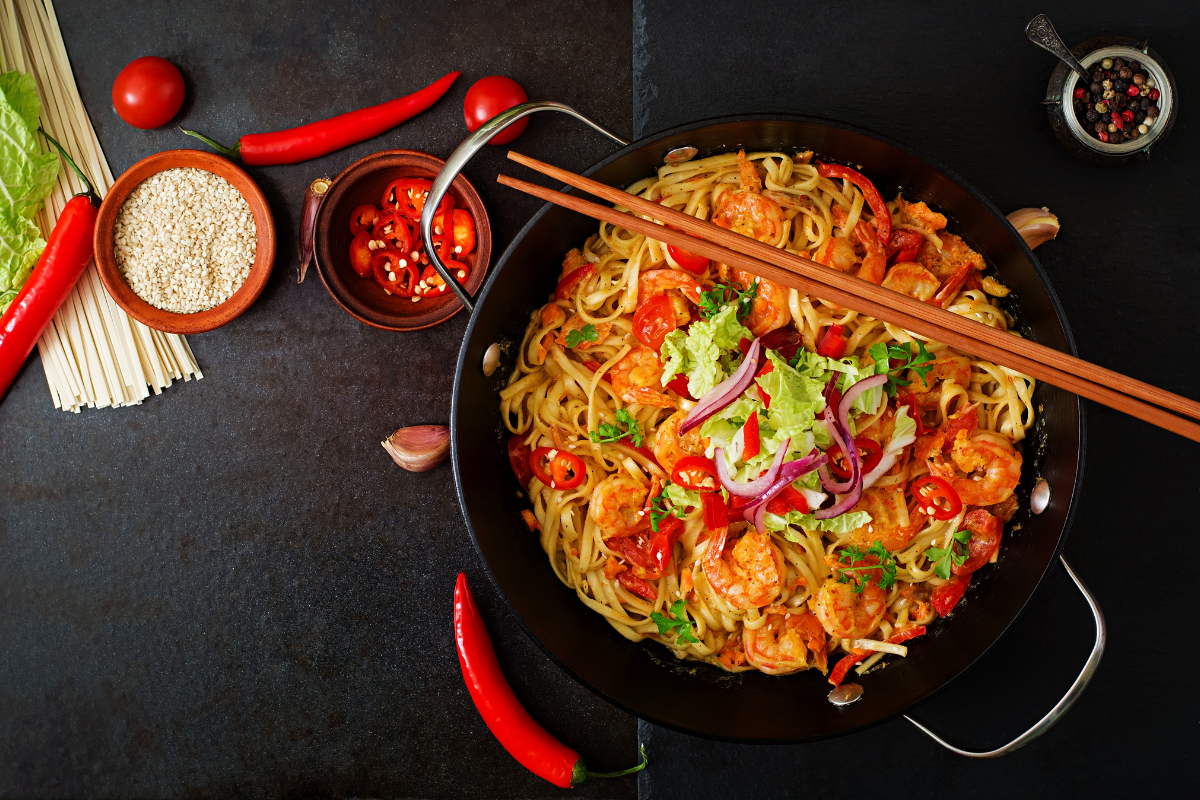
Tooth extraction is a common dental procedure, but recovery comes with a strict set of dos and don’ts, especially when it comes to food. If you’re someone who loves a kick of heat in your meals, you might be wondering: “Can I eat spicy food after tooth extraction?” While the temptation is real, indulging in that plate of spicy noodles or similar hot dishes too soon can lead to more harm than one might think.
In this blog, we’ll address everything you need to know about eating spicy food after a tooth extraction—when it’s safe, why you should wait, and how it impacts healing. If you’re looking for post-extraction care tips straight from a trusted dentist, keep reading.
Why You Should Avoid Spicy Food After Tooth Extraction
While spicy food might seem harmless, it can irritate the extraction site and delay healing. Here’s why:
- Irritation of the Wound: Spices like chili powder or hot sauces can inflame the exposed tissue and gums, leading to pain and discomfort.
- Increased Risk of Infection: Spicy foods can introduce irritants that slow the clotting process, increasing the chance of infection or dry socket.
- Delayed Healing: The heat and acidity in spicy dishes may interfere with tissue regeneration.
This is especially important during the first few days when your body is trying to form a protective blood clot over the extraction site.
When Can You Eat Spicy Food After Tooth Extraction?
Timing is everything. Generally, dentists recommend waiting at least 7–10 days before consuming anything spicy, but it can vary depending on individual healing.
Here’s a rough guideline:
- Day 1 to 3: Stick to soft, bland foods like yogurt, applesauce, or mashed potatoes. Avoid all spicy, crunchy, or acidic items.
- Day 4 to 6: If healing progresses well and there’s no swelling or bleeding, you may start reintroducing mild flavors.
- After Day 7: In many cases, it’s safe to try light spice, but only if you feel no discomfort and your dentist has cleared you.
Tip: Always rinse your mouth with warm salt water after eating to keep the area clean—especially before reintroducing spicy meals. If you’re unsure, our dental team can help you decide what’s appropriate based on your recovery progress, whether you’re visiting from Freehold or a nearby community.
Signs You’re Not Ready for Spicy Food Yet
Still unsure whether it’s safe to indulge in spicy ramen or tacos? Watch for these signs:
- Persistent pain or swelling
- Bleeding from the extraction site
- Bad taste or odor in your mouth (possible sign of infection)
- Discomfort while chewing
If any of these symptoms are present, hold off on spicy food and consult a dentist immediately.
Safer Food Alternatives During Recovery
Healing from a tooth extraction doesn’t mean you have to sacrifice flavor entirely. Here are some soothing, tasty, and safe food choices:
- Mashed sweet potatoes or avocados
- Smoothies (without seeds)
- Oatmeal or cream of wheat
- Scrambled eggs
- Cottage cheese or soft tofu
These foods are gentle on the extraction site and still provide the nutrients needed for recovery.
What to Do If You Ate Spicy Food Too Soon
Let’s say you gave in and had some spicy food a few days after your extraction. What now?
- Rinse with lukewarm salt water to flush the area.
- Apply a cold compress to the outside of your cheek if swelling occurs.
- Avoid further irritation—switch back to soft, non-spicy foods immediately.
- Contact your dentist if you feel increasing pain, bleeding, or signs of dry socket.
Being proactive can help minimize any potential damage. If you’re concerned about your symptoms, our dentist is here to help ensure your recovery stays on track.
How Long Does It Really Take to Heal?
The full healing process after tooth extraction can take up to 2–3 weeks for most people, but the first 7–10 days are the most critical. That’s when the risk of dry socket is highest, and why dentists recommend strict dietary restrictions.
Following your dentist’s advice closely will help prevent complications and speed up recovery.
Why Do Dentists Advise Against Spicy Food?
Patients often ask, “Why can’t I eat spicy food after tooth extraction?” It’s not just about comfort—it’s about protecting the wound during its most vulnerable phase.
Spicy ingredients can:
- Disrupt blood clot formation
- Aggravate nerve endings in exposed tissue
- Cause chemical burns or sensitivity in healing gums
Your dentist’s recommendation is based on long-standing evidence showing that avoiding spicy food can lead to fewer post-op complications.
FAQs: Spicy Food After Tooth Extraction
Can I eat spicy noodles after tooth extraction?
Only after 7–10 days, and only if you’ve healed well and have no pain or swelling. Noodles themselves are soft, but the spice is the problem.
Can I eat spicy food 7 days after tooth extraction?
In many cases, yes—if there are no signs of pain or infection. Confirm with your dentist before resuming.
Why no spicy food after tooth extraction?
It can irritate the healing wound, slow down recovery, and lead to infections or dry socket.
When can I eat spicy food after tooth extraction?
After 7–10 days, once the site has closed and your dentist gives the go-ahead.
Can spicy food cause dry socket?
While it’s not the only cause, spicy food can irritate or dislodge the clot, increasing your risk of dry socket.
Is mildly spiced food okay during recovery?
If you’re past day 7 and symptoms have improved, you may try mildly seasoned food. Avoid anything that causes burning, tingling, or discomfort.
What should I do if I accidentally ate spicy food too soon?
Rinse gently with warm salt water, avoid further irritation, and monitor the site. Contact your dentist if pain, swelling, or bleeding occurs.
Does spicy food affect stitches after a surgical extraction?
Yes. Spicy ingredients may irritate the stitched area, especially if dissolvable sutures are present, and can delay proper healing.
How do I know if I’m ready to reintroduce spicy foods?
If the area is no longer sensitive, there’s no bleeding, and your dentist confirms healing is on track, you can gradually try spicier meals.
Are some spices worse than others for healing?
Absolutely. Chili flakes, cayenne pepper, hot sauce, and even black pepper can irritate the gums. It’s best to avoid them during the first week.
How long should I wait before returning to my normal diet, including spice?
While soft, bland foods are recommended for 7–10 days, you can usually return to your full diet, including spices, after 2–3 weeks.
Is spicy food okay if I only had a simple (non-surgical) extraction?
Even with a simple extraction, the wound needs time to heal. Avoid spicy food for at least 7 days, regardless of how minor the procedure seemed.
What are some signs that spicy food is irritating my healing site?
Watch for burning, throbbing pain, increased swelling, bad taste, or bleeding. These are signs that you should stop eating spicy foods and contact your dentist.
Ready for a Smooth Recovery?
Post-extraction healing doesn’t last forever, but your choices during this short window can impact your comfort and outcome. Being patient with your diet—especially when it comes to spicy foods—can help avoid complications and ensure a faster, safer recovery.
At Adult & Pediatric Dental Studio in Manalapan Township, our experienced team is always here to guide you through every step of your dental care, from extractions to healing advice. If you have any concerns or need follow-up care, don’t hesitate to reach out to our team.
Your comfort and health come first—spice can wait!