200 Bridge Plaza Dr, Manalapan Township, NJ 07726
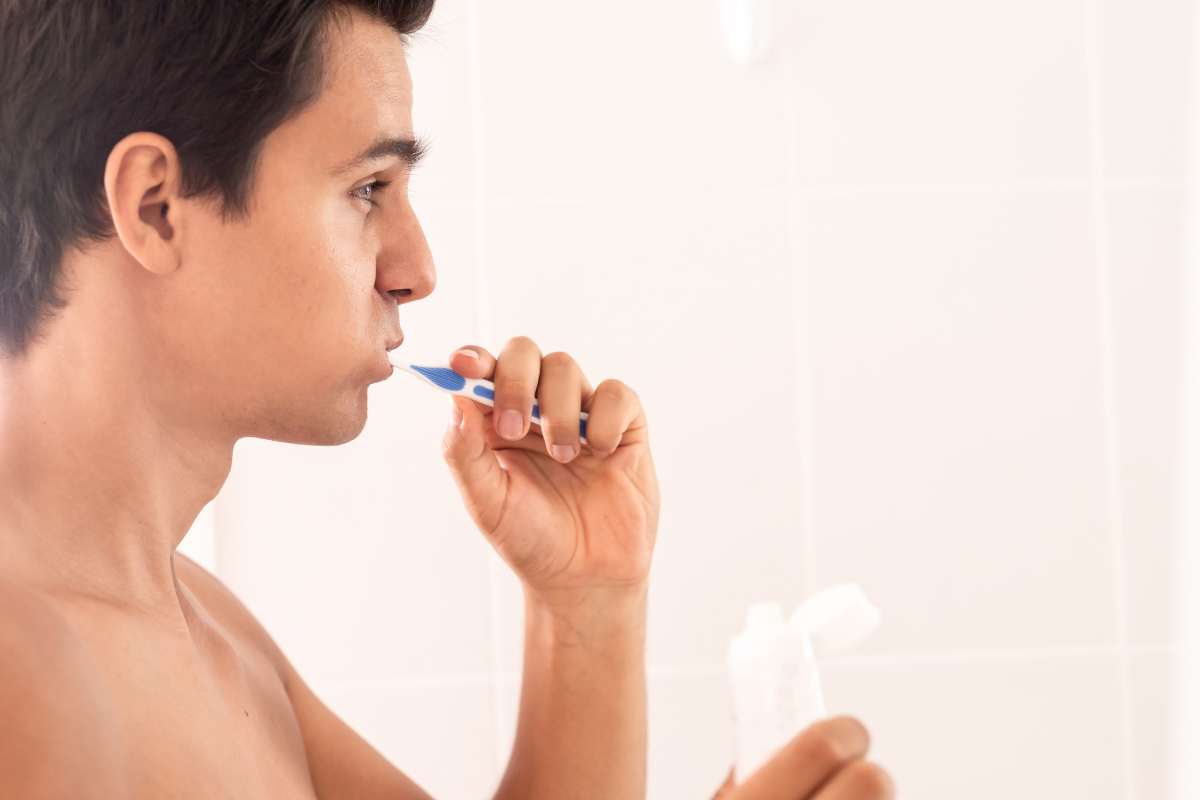
We have all been told that brushing after every meal is a good habit. But did you know brushing too soon after eating might actually harm your teeth? Understanding when to brush can be just as important as brushing itself.
It’s not just you—most people instinctively rush to the sink for a quick two-minute brush after a meal. The fuzzy film on your teeth after eating can leave you feeling less than fresh. However, before you grab your toothbrush, take a pause. It’s worth understanding how timing affects your tooth enamel and long-term oral health.
The Science Behind Brushing Teeth After Eating
When you eat, especially acidic or sugary foods, your mouth’s pH level drops, temporarily softening the enamel. This makes your teeth more vulnerable to cavities and other oral issues. Brushing right away might actually wear down your enamel over time, increasing sensitivity and other complications.
If you live in Freehold, your dentist may recommend waiting at least 30 to 60 minutes before brushing, depending on the situation. This allows your saliva to neutralize harmful acids and begin the natural remineralization process. To help speed this along, consider drinking water or chewing sugar-free gum.
Foods That Require Extra Caution Before Brushing
Certain foods are more acidic and can be particularly damaging if followed immediately by brushing. Examples include:
Citrus fruits (oranges, lemons)
Tomato-based sauces
Sports drinks or soda
Wine and vinegar-based dressings
If you enjoy these foods, rinse your mouth with water and wait for about half an hour before brushing. This small habit can go a long way in protecting your enamel and preventing unnecessary erosion.
Protecting Your Smile the Right Way
People often ask how to strike a balance between convenience and proper dental hygiene. Here are some practical recommendations from our dental team to help you maintain good oral health, whether you’re in Freehold or a nearby community:
Wait at least 30 minutes after eating before brushing.
Use a soft-bristled toothbrush with fluoride toothpaste.
Stay well-hydrated throughout the day.
Don’t brush too aggressively or for too long.
Visit a dental professional regularly for cleanings and assessments.
Taking the time to follow these simple steps can significantly reduce your risk of enamel wear and gum sensitivity.
What If You Can’t Wait to Brush?
Sometimes, brushing immediately feels necessary—especially after sticky or odor-causing meals. In such cases, rinse your mouth thoroughly with water and chew sugar-free gum to help stimulate saliva. Then, wait as long as possible before brushing. Even a 20-minute delay can make a difference.
If you often find yourself unsure, it’s a good idea to talk to a dentist for guidance tailored to your habits. At our dental office in Manalapan Township, we take pride in educating patients about practical changes that offer real benefits.
Brushing Strategy Based on Meal Type
| Meal Type | Suggested Wait Time | Why It Matters |
|---|---|---|
| Non-acidic foods (e.g. cheese, grains, vegetables) | ~10–20 minutes before brushing | Saliva recovers pH; enamel isn’t severely softened. Brushing sooner is usually fine. |
| Acidic or sugary foods (e.g. citrus fruit, soda, tomato sauces) | 30–60 minutes | Acid exposure softens enamel; brushing too early risks erosion |
| If in a hurry to feel clean | Rinse with water or chew sugar‑free gum immediately after eating, then wait 20–30 minutes before brushing | Speeds up neutralization and helps saliva remineralize enamel |
FAQs
Is it ever okay to brush right after eating?
If you’ve consumed non-acidic foods like vegetables or plain grains, brushing soon after is usually fine. However, it’s still wise to wait at least 20 minutes, if possible, to allow your saliva to naturally reset the pH in your mouth.
Can brushing too soon after eating cause permanent damage?
Repeatedly brushing when enamel is softened can lead to gradual enamel erosion, which is irreversible. This is why dentists emphasize brushing at the right time rather than immediately.
What if I only eat non-acidic meals—can I brush sooner?
Yes. After consuming mild, non-acidic foods such as dairy or whole grains, it’s generally safe to wait about 10–20 minutes before brushing. Saliva quickly restores pH, and enamel isn’t significantly softened in these cases.
Should I consider brushing before breakfast instead of after?
Many dental experts recommend brushing before breakfast. It clears overnight biofilm and reduces acid formation from sugary or acidic morning meals or drinks. It also increases saliva flow, providing ongoing protection against acid attack.
I usually brush right after every meal because I like that minty feel. Is that harmful?
No—brushing vigorously or brushing when enamel is softened can damage both enamel and gums. Use a soft‑bristled toothbrush, apply gentle circular motions at a 45-degree angle, and avoid scraping aggressively . Excessive pressure and incorrect timing are common mistakes identified by dental professionals.
Build Smarter Brushing Habits with a Trusted Dentist
Creating healthy brushing habits isn’t just about how often you brush—it’s also about when and how you do it. Timing your routine, especially after meals, plays a crucial role in protecting your enamel and supporting long-term oral health. Small adjustments, like waiting after acidic meals or brushing before breakfast, can make a significant impact.
By working with an experienced dentist, you can develop a personalized care plan that aligns with your lifestyle. Our dental team is here to guide you toward habits that support a stronger, healthier smile—every day!