200 Bridge Plaza Dr, Manalapan Township, NJ 07726
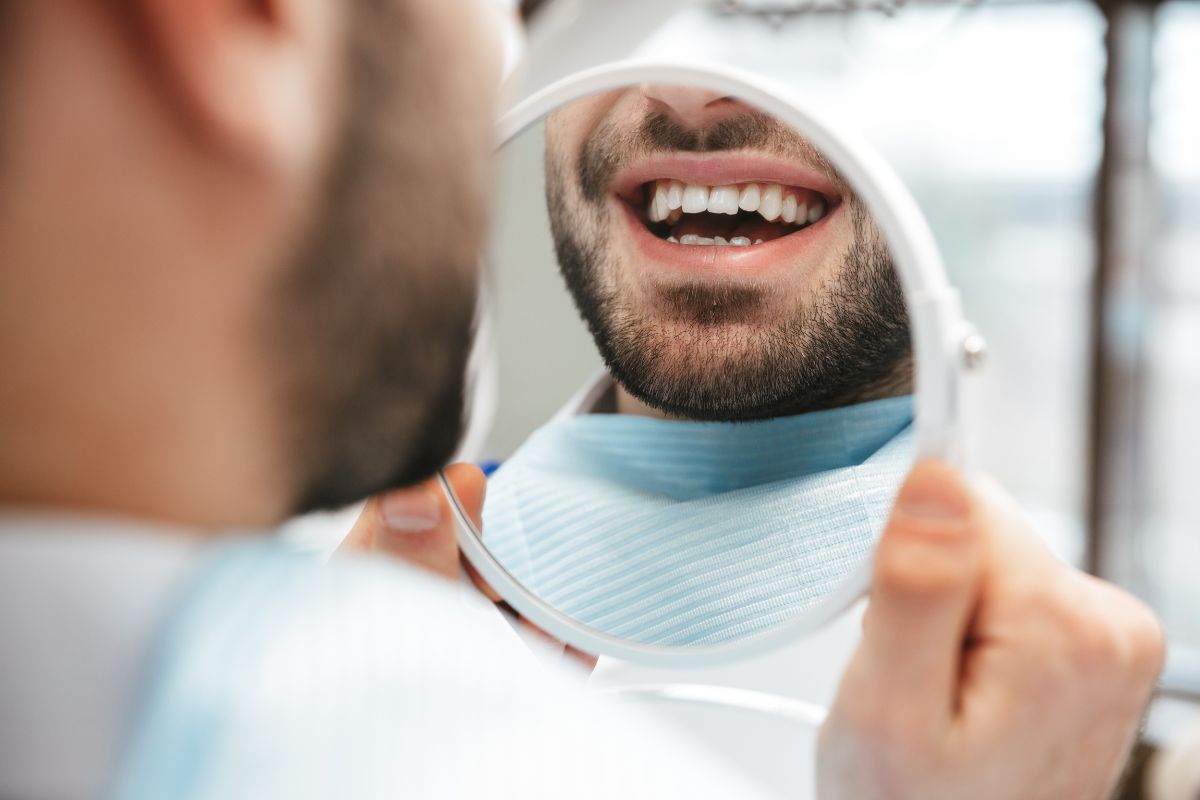
Getting a tooth extracted is often the best solution for restoring your oral health—especially when decay, infection, or crowding make saving a tooth impossible. But your recovery depends heavily on what you don’t do afterward. Even simple mistakes can cause discomfort, delay healing, or lead to painful complications like dry socket.
To help you heal properly, our dentist in Freehold has compiled a list of essential things to avoid after a tooth extraction.
1. Avoid Rinsing or Spitting Forcefully
After your tooth is removed, a blood clot forms in the socket to protect the bone and nerves as healing begins. Forceful rinsing or spitting can dislodge this clot and lead to dry socket—a painful condition that exposes the underlying bone.
Instead:
Wait 24 hours before rinsing.
After that, rinse gently with a warm saltwater solution (½ teaspoon salt in a glass of water).
Avoid using mouthwash with alcohol during the first few days.
Gentle care helps your extraction site heal faster and reduces the risk of infection.
2. Don’t Eat Hard, Crunchy, or Hot Foods
Your mouth needs soft, soothing foods during the healing period. Hard or crunchy items like chips, nuts, or crusty bread can irritate the wound or get stuck in the extraction site. Hot foods may also dissolve the protective blood clot.
Stick to soft foods for the first few days, such as:
Mashed potatoes
Yogurt
Applesauce
Scrambled eggs
Smooth soups (cooled down)
Gradually reintroduce solid foods as your comfort improves. Depending on the complexity of your extraction, your dentist may recommend avoiding hard foods for about a week. If you’re recovering from an extraction and live in Freehold or a nearby community, our team can guide you through the aftercare process.
3. Don’t Smoke or Use a Straw
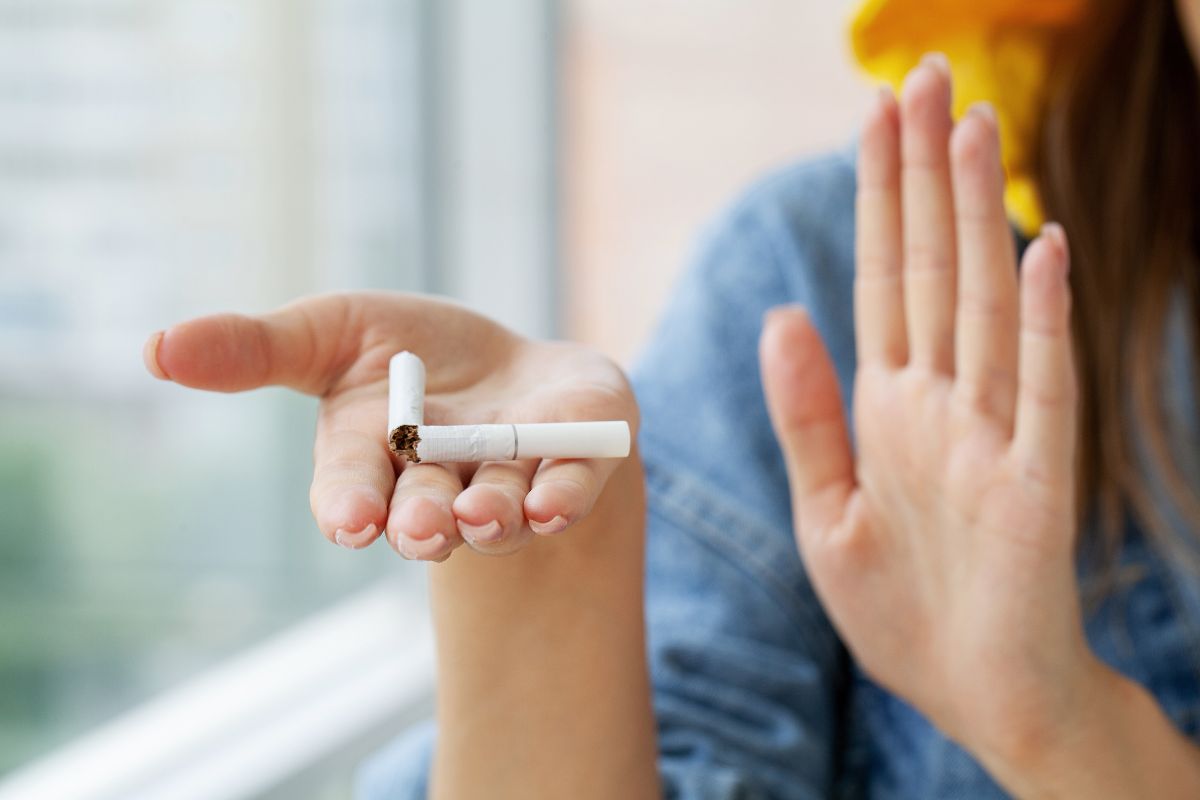
Suction and pressure from smoking, vaping, or drinking through a straw can easily dislodge the healing clot. Tobacco smoke also reduces blood flow, slowing down the healing process and increasing the risk of infection.
If you smoke:
Try to quit at least 48–72 hours before and after extraction.
Replace cigarettes with nicotine patches or gum during recovery (if your dentist approves).
Remember, your mouth heals best in a clean, oxygen-rich environment—free from smoke and suction pressure.
4. Avoid Strenuous Activity
Exercise and heavy lifting increase blood pressure, which can cause bleeding or throbbing pain at the extraction site.
To help your body heal:
Rest for at least 24–48 hours after your procedure.
Keep your head slightly elevated while lying down.
Resume light activity gradually, depending on how you feel.
Your dentist may advise waiting a few days before returning to intense workouts or physically demanding work.
5. Don’t Skip Cold Compresses or Pain Relief
Swelling and mild discomfort are common after a tooth extraction—but they can be managed effectively. Skipping cold compresses or prescribed medications can prolong recovery.
Do this instead:
Apply an ice pack for 15–20 minutes at a time during the first 24 hours.
Take prescribed or over-the-counter pain relievers as recommended by your dentist.
Avoid aspirin—it may increase bleeding.
Pain control helps you stay comfortable and reduces inflammation for a quicker healing process.
6. Don’t Touch the Extraction Site
It’s tempting to check your extraction site with your tongue or fingers—but resist the urge. Touching the wound introduces bacteria and disturbs the healing tissue.
Also avoid pulling your cheek or lips to look at the site frequently. Keep the area clean by brushing gently around it, but not directly on it for the first few days.
7. Avoid Skipping Oral Hygiene
Good oral hygiene is key to preventing infection, but it must be done carefully.
Tips from our Freehold team:
Continue brushing your teeth, avoiding the extraction site for 24 hours.
After a day, rinse gently with salt water after meals.
Avoid using commercial mouthwashes or hydrogen peroxide rinses during the early healing phase.
Proper hygiene supports tissue repair and keeps your mouth fresh and healthy.
8. Don’t Ignore Unusual Symptoms
A little soreness is normal—but excessive pain, swelling, or bleeding could indicate a problem. If you notice these signs, contact your dentist right away.
Call your dentist if you experience:
Severe pain that worsens after 2–3 days
Persistent bleeding
Swelling that doesn’t improve
Foul taste or odor from the extraction site
Fever or chills
Prompt care helps prevent infections and ensures your healing stays on track.
How to Promote Faster Healing After Tooth Extraction
Along with avoiding certain habits, these practices can speed up your recovery:
Keep your head elevated when sleeping to reduce swelling.
Stay hydrated, but drink slowly without using a straw.
Eat nutrient-rich soft foods for optimal healing.
Follow all post-op instructions carefully.
Healing times vary, but most patients start feeling significantly better within 7–10 days.
Why Following Your Dentist’s Advice Matters
Each tooth extraction is unique, and your recovery plan should be too. Following your dentist’s post-operative instructions can prevent complications, reduce discomfort, and ensure the best outcome for your oral health.
Your dentist knows the specifics of your case—so if they advise special precautions or a follow-up visit, don’t skip it.
Frequently Asked Questions (FAQs)
1. How long does it take to heal from a tooth extraction?
Most patients recover within 1–2 weeks. Complex extractions, like wisdom teeth removal, may take a little longer.
2. When can I brush my teeth after an extraction?
Wait 24 hours, then brush gently while avoiding the extraction site for a few more days.
3. Can I drink coffee after a tooth extraction?
Avoid hot coffee for at least 24 hours—it can dissolve the clot. Opt for cool or lukewarm beverages instead.
4. Is bleeding normal after extraction?
Mild oozing is common for several hours post-procedure. If bleeding is heavy or persists, contact your dentist immediately.
5. When can I return to normal eating habits?
Soft foods are best for the first few days. Most patients can resume regular meals after 5–7 days, depending on comfort and healing progress.
6. What should I do if I think I have a dry socket?
If you experience severe pain radiating to your ear or jaw, contact your dental professional right away. Dry socket requires prompt professional treatment.
Final Thought
Healing after a tooth extraction doesn’t have to be complicated—just cautious. By avoiding these common mistakes and following your dentist’s post-care instructions, you can ensure a smooth recovery and protect your smile’s long-term health.
At our dental office in Manalapan Township, we’re here to help every step of the way, from gentle extractions to complete aftercare guidance.