200 Bridge Plaza Dr, Manalapan Township, NJ 07726

Have you ever woken up with a strange, bitter taste that doesn’t seem to go away — even after brushing? Many patients mention a metallic or sour sensation that lingers throughout the day. Some wonder if it’s something they ate. Others worry it could signal a deeper issue.
In our conversations with families seeking dental care in Manalapan Township, this is a surprisingly common concern. The good news is that in many cases, the cause is manageable once we identify it. Often, the answer begins with a closer look at your oral health and overall habits through routine general dental care.
Let’s explore what could be behind that unpleasant taste.
What Causes a Bitter Taste in the Mouth?
A bitter taste can stem from oral causes, medical conditions, or a combination of both. Sometimes it’s temporary — like after certain foods or medications. Other times, it persists for days or weeks.
Broadly speaking, we look at:
- Oral health–related causes (gums, teeth, bacteria)
- Dry mouth or saliva imbalance
- Digestive conditions
- Medication side effects
- Underlying dental infections
Understanding the difference helps guide appropriate next steps.
Poor Oral Hygiene and Bacterial Buildup
When plaque accumulates along the gumline or on the tongue, bacteria multiply. These bacteria release compounds that can create a bitter or unpleasant taste.
Common contributors include:
- Inconsistent brushing or flossing
- Skipping professional cleanings
- Tongue coating buildup
- Early gum inflammation
Even busy parents balancing school drop-offs and work commutes here in town can sometimes overlook small changes in oral care routines. Regular cleanings help remove hardened buildup that brushing alone cannot address.
Gum Disease and Infection
Gum inflammation is another frequent cause. Early-stage gum disease (gingivitis) may cause:
- Gum tenderness
- Bleeding while brushing
- Persistent bad breath
- An unusual taste
As inflammation increases, bacteria beneath the gumline can contribute to taste changes. Addressing this early makes a significant difference, both for comfort and long-term oral health.
Dry Mouth (Xerostomia)
Saliva plays a protective role in your mouth. It neutralizes acids, washes away bacteria, and helps maintain balance. When saliva production decreases, bacteria thrive — often resulting in a bitter or metallic taste.
Common reasons for dry mouth include:
- Certain medications (blood pressure, allergy, or antidepressants)
- Dehydration
- Mouth breathing
- Natural aging
If you’re noticing dryness along with taste changes, hydration and evaluation can help identify the source.
Acid Reflux and Digestive Issues
Acid reflux allows stomach acid to travel upward into the esophagus and sometimes the mouth. This often causes:
- Morning bitterness
- Sour taste
- Occasional throat irritation
While this isn’t strictly a dental issue, acid exposure can impact enamel and oral comfort. If symptoms are frequent, coordination with a primary care provider may be appropriate.
Medications and Vitamin Deficiencies
Certain medications can alter taste perception as a side effect. Antibiotics, blood pressure medications, and some multivitamins are common culprits.
In some cases, zinc deficiency can also contribute to taste changes. While not common, persistent symptoms may warrant discussion with your healthcare provider.
Dental Restorations or Infection
A failing filling, hidden decay, or an early dental infection may produce an unpleasant taste. Sometimes, patients don’t feel pain right away. Instead, they notice:
- Localized sensitivity
- A metallic sensation
- Persistent bad breath
A gentle exam and appropriate imaging help rule out these possibilities and allow for early, conservative care.
When Should You See a Dental Professional?
Occasional taste changes happen. However, it’s wise to seek evaluation if you experience:
- Symptoms lasting more than a few days
- Gum bleeding or swelling
- Persistent bad breath
- Metallic or sour taste that doesn’t improve
- Tooth sensitivity or discomfort
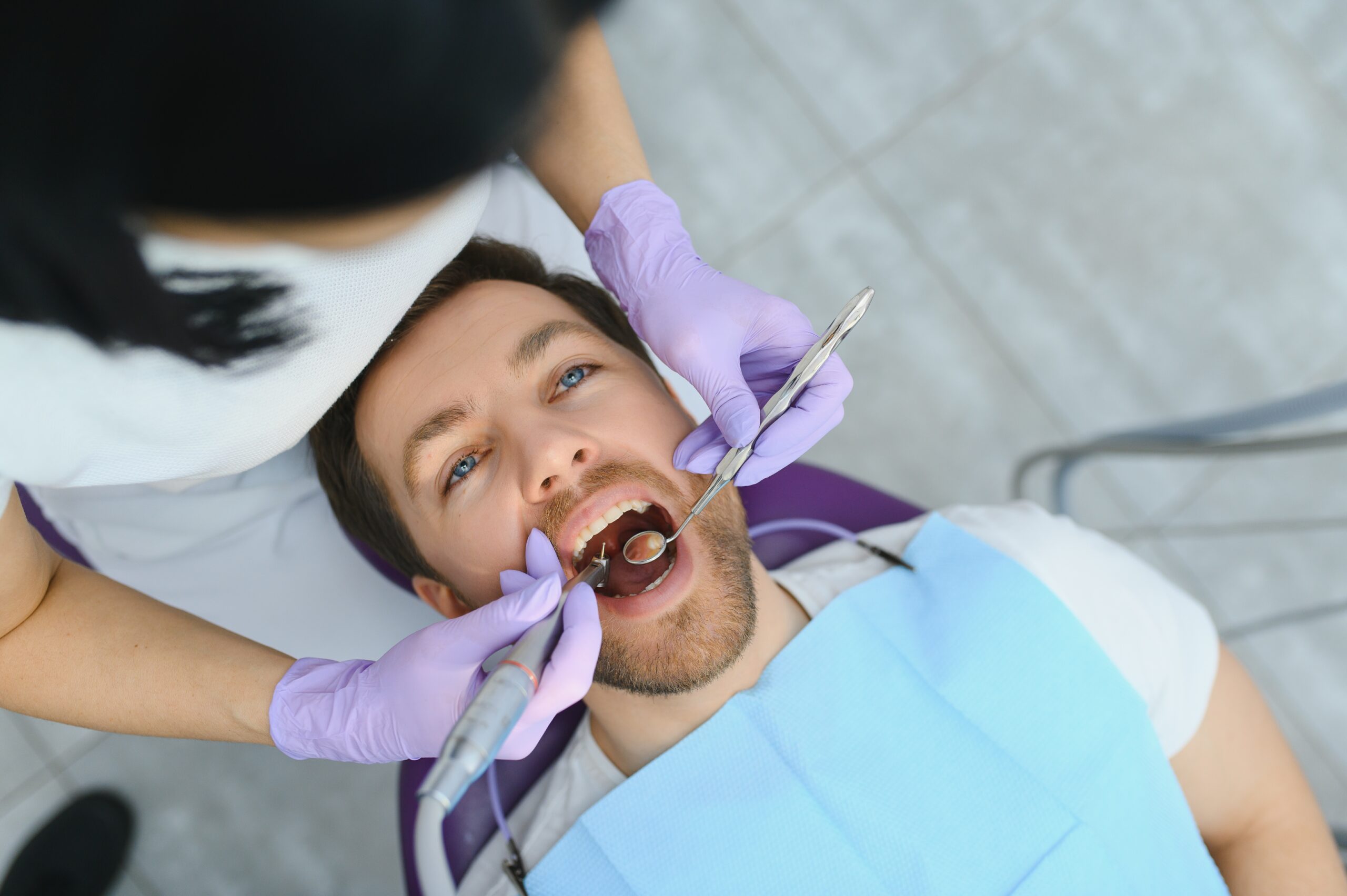
During an evaluation, we begin with a visual exam of your gums, tongue, and teeth. If needed, digital imaging helps identify areas not visible to the eye. The goal is not simply to treat a symptom, but to understand its cause and create a preventive plan moving forward.
A thoughtful, conservative approach ensures we protect both your comfort and long-term oral health.
A Calm Next Step
If you’ve been wondering why that bitter taste won’t go away, you’re not alone. Many families throughout Manalapan Township and nearby communities like Freehold and Marlboro share similar concerns.
Open conversations lead to clarity. If symptoms continue, consider making a visit to our dental practice here in Manalapan Township so we can take a closer look and help determine what’s causing the change. A thoughtful evaluation often provides reassurance — and in many cases, a simple, practical solution.
Frequently Asked Questions
Can poor oral hygiene cause a bitter taste?
Yes. Plaque and bacteria buildup along the gumline and tongue can release compounds that affect taste. Professional cleanings and consistent brushing and flossing typically improve symptoms.
Is a bitter taste always a dental problem?
Not necessarily. Digestive conditions, medications, and vitamin deficiencies can also contribute. A dental exam helps determine whether the cause is oral or requires referral to another provider.
Can dry mouth change the way food tastes?
Absolutely. Saliva supports normal taste perception. When saliva is reduced, food flavors may seem dull, metallic, or bitter.
When should I be concerned about a metallic taste?
If it lasts more than a few days, is accompanied by gum swelling, bleeding, or discomfort, or seems to worsen, evaluation is recommended.
How can I prevent unpleasant taste changes?
Maintain consistent oral hygiene, stay hydrated, attend regular dental visits, and discuss medication side effects with your physician if needed.