200 Bridge Plaza Dr, Manalapan Township, NJ 07726
As a parent, you’re already balancing a lot—school schedules, meals, activities, and overall health. One area that often gets overlooked is how much your child’s daily diet affects their teeth.
In our office, many families in the Manalapan area often ask a similar question:
“We’re brushing every day… So why are cavities still showing up?”
The answer often comes down to nutrition. Brushing and flossing are essential, but what your child eats throughout the day plays an equally important role in shaping their oral health.
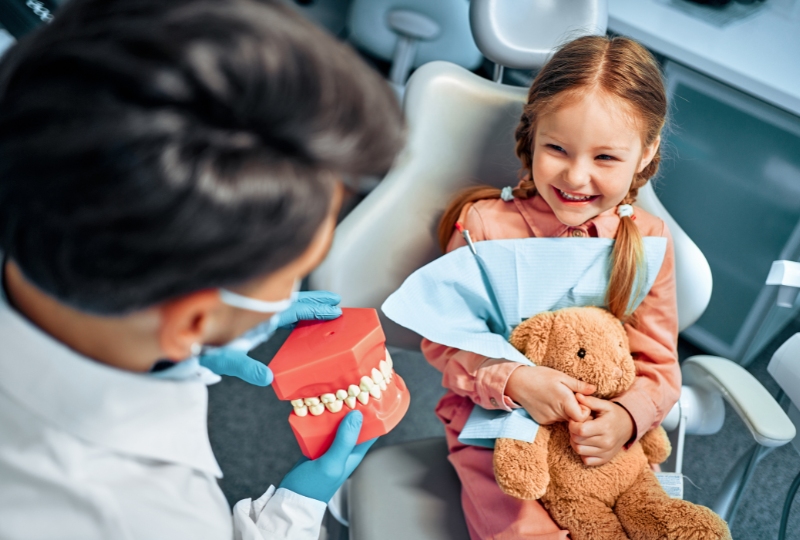
A quick conversation with a pediatric dentist can help you better understand how diet and habits work together to protect your child’s smile long-term. Many parents from nearby communities like Freehold and Marlboro share these same concerns during their visits.
Understanding the Connection Between Diet and Dental Health
Every bite your child takes affects their teeth—either positively or negatively.
Sugary and starchy foods (like crackers, juice, or sticky snacks) tend to linger on teeth. Bacteria feed on these sugars and produce acids that weaken enamel, increasing the risk of cavities.
On the other hand, nutrient-rich foods help:
- Strengthen enamel
- Support gum health
- Promote proper jaw development
What’s important to understand is that it’s not just what kids eat—but also how often. Frequent snacking keeps the mouth in a constant acidic state, which doesn’t give teeth enough time to recover.
Key Nutrients That Support Strong Teeth
Calcium and Vitamin D
These are essential for building strong enamel and developing healthy bones. Without enough of these nutrients, teeth can become more vulnerable to decay.
Water Intake
Water helps rinse away food particles and bacteria. It also keeps saliva flowing, which is your child’s natural defense against cavities.
Balanced Meal Timing
Constant grazing or sipping sugary drinks throughout the day increases cavity risk. Structured meal and snack times give teeth a chance to recover.
Tooth-Friendly Foods to Include in Your Child’s Diet
Making small adjustments to your child’s meals can go a long way in protecting their smile.
Dairy Products
Milk, cheese, and yogurt are rich in calcium and help strengthen enamel.
Crunchy Fruits and Vegetables
Apples, carrots, and celery naturally clean teeth and stimulate saliva production.
Leafy Greens
Spinach and kale provide essential nutrients like folic acid that support gum health.
Nuts and Seeds
Packed with minerals like phosphorus and magnesium that help rebuild enamel.
Habits That Can Increase Dental Problems
Even with a generally healthy diet, certain patterns can still lead to issues:
- Frequent snacking, especially on processed foods
- Sugary drinks like juice, sports drinks, or flavored milk
- Sticky snacks that stay on teeth longer
- Skipping water after meals
If your child is already showing early signs like gum irritation or sensitivity, it may be worth understanding how poor habits can build up over time in cases like bad dental hygiene and what steps can help reverse that trend.
Similarly, parents often notice early warning signs such as bleeding during brushing—something we discuss in detail when addressing common causes behind bleeding gums in children and teens.
Practical Tips for Parents
Supporting your child’s dental health doesn’t require perfection—just consistency.
Here are a few realistic habits that make a big difference:
- Offer balanced meals with whole foods whenever possible
- Limit sugary snacks to mealtimes instead of throughout the day
- Encourage water as the primary drink
- Keep brushing and flossing part of a daily routine
- Talk to your child about how food affects their teeth in a simple way
Pairing these habits with a structured routine—like following simple daily practices such as the 2-2-2 rule in dentistry—can help children stay on track without feeling overwhelmed.
It’s Never Too Late to Improve Your Child’s Dental Habits
Whether your child is a toddler or a teenager, small changes in diet and daily habits can significantly improve their oral health over time.
Families across Manalapan, Freehold, Marlboro, and Monroe often find that once they adjust snacking patterns and food choices, dental visits become smoother—and fewer issues come up.
If you ever feel unsure about your child’s diet or dental routine, it’s completely okay to ask questions. A calm, preventive approach can make a lasting difference in your child’s confidence and overall health.
FAQs About Diet and Children’s Dental Health
- Can my child still eat sweets and have healthy teeth?
Yes—moderation is key. It’s better to have sweets during meals rather than frequent snacking throughout the day. - Are fruit juices bad for teeth?
Even natural juices contain sugar and acid. It’s best to limit them and encourage water instead. - What are the best snacks for healthy teeth?
Cheese, yogurt, apples, carrots, and nuts are great options that support dental health. - How often should my child drink water?
Regularly throughout the day, especially after meals and snacks. - When should I be concerned about my child’s diet affecting their teeth?
If you notice frequent cavities, sensitivity, or gum issues, it’s worth discussing diet and habits with your dentist.