200 Bridge Plaza Dr, Manalapan Township, NJ 07726
Many parents and adults ask similar questions during routine dental visits: How often should I brush? How long should brushing really take? How often should I see the dentist? For families balancing school schedules, work commutes, and weekend activities, keeping oral health simple and consistent can feel challenging.
One guideline dentists often share is the 2-2-2 rule. It’s a straightforward approach that helps people remember the key habits that protect their teeth and gums over time. Patients who visit a local dental provider serving families in the Manalapan community frequently hear this rule discussed as part of conversations about preventive care and long-term oral health.
For families interested in maintaining healthy routines, regular routine dental checkups are also an important part of preventive care alongside daily brushing habits.
What Is the 2-2-2 Rule in Dentistry?
The 2-2-2 rule is a simple guideline designed to make oral health habits easy to remember. It includes three basic steps:
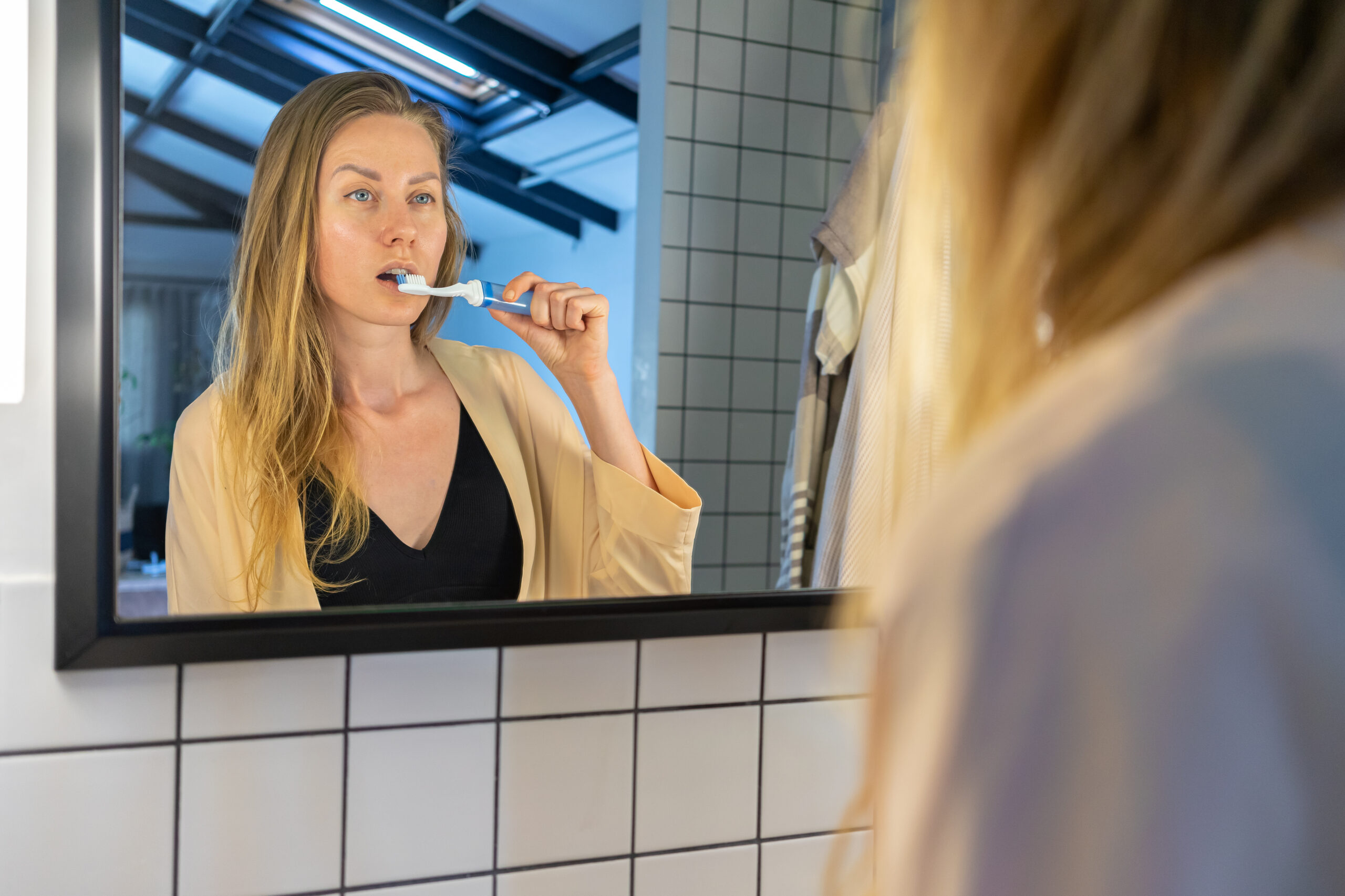
- Brush your teeth two times per day
- Brush for two minutes each time
- Visit the dentist two times per year
Dentists often use this rule when educating both children and adults because it provides a clear framework for maintaining healthy teeth and gums.
Brushing twice daily helps remove plaque that forms throughout the day and overnight. Spending two minutes brushing ensures that all surfaces of the teeth are cleaned properly. And seeing a dental professional twice a year allows for regular monitoring of oral health and early detection of potential issues.
While simple, this routine creates a strong foundation for long-term dental health.
Why Dentists Recommend the 2-2-2 Rule
The purpose of the 2-2-2 rule is prevention. Many common dental problems develop gradually, and consistent daily habits can greatly reduce the risk.
Brushing twice a day helps control plaque, a sticky film of bacteria that forms on teeth. When plaque isn’t removed regularly, it can contribute to tooth decay and gum inflammation.
Brushing for a full two minutes allows enough time to clean every area of the mouth. Many people tend to brush quickly, missing hard-to-reach spots along the gumline and between teeth.
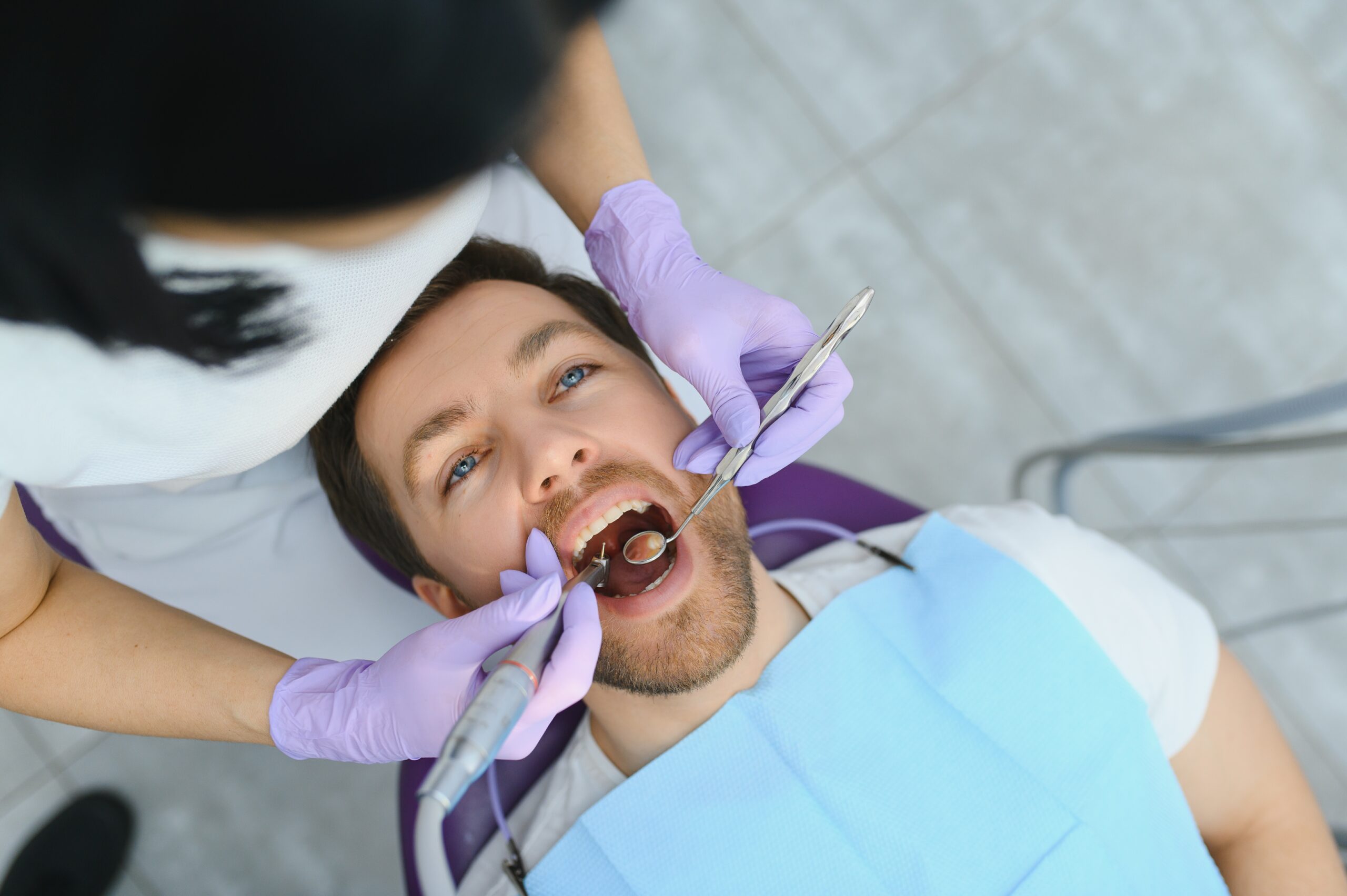
Regular dental visits also play a major role in preventive care. Professional cleanings remove hardened plaque deposits that cannot be eliminated with brushing alone. Routine examinations allow dental professionals to detect early signs of cavities, gum disease, or enamel wear before they become more complicated concerns.
Together, these habits create a balanced approach to oral health that focuses on prevention rather than treatment.
How the 2-2-2 Rule Helps Children Build Healthy Habits
For children, learning good oral hygiene habits early can make a lasting difference. Parents often look for simple ways to help their kids remember when and how to brush.
The 2-2-2 rule provides a clear routine that families can easily follow.
Morning brushing before school helps remove bacteria that build up overnight. Evening brushing before bedtime clears away food particles and plaque accumulated during the day. Setting a two-minute timer or playing a short song can make brushing more engaging for younger children.
As kids grow, these consistent routines often become second nature. Over time, they learn that oral health is part of everyday self-care, much like washing hands or getting enough sleep.
In many family dental practices, dentists also work with parents to reinforce these routines during checkups, helping children understand why brushing and dental visits matter.
Why Regular Dental Visits Matter
Daily brushing plays an important role in oral health, but professional dental visits remain essential.
During routine appointments, dental teams perform thorough cleanings that remove plaque and tartar buildup from areas that toothbrushes cannot easily reach. These visits also allow dentists to examine the teeth and gums carefully.
Early detection is one of the biggest benefits of regular exams. Small cavities, early gum inflammation, or minor bite changes can often be addressed before they become more serious.
For children, dental visits also allow dentists to monitor tooth development and bite alignment. This can be particularly helpful during growth stages when permanent teeth are emerging.
Many families in Manalapan and nearby communities like Freehold or Marlboro include dental checkups in their yearly health routines, similar to medical exams or vision appointments.
When the 2-2-2 Rule May Be Adjusted
While the 2-2-2 rule works well as a general guideline, it may not apply equally to every patient.
Some individuals may benefit from more frequent dental visits depending on their oral health history. For example, patients with gum disease may require additional cleanings to maintain gum health. Others undergoing orthodontic treatment may need more frequent monitoring.
Children with developing teeth may also require periodic observation as their smiles grow and change.
Dentists typically adjust recommendations based on individual needs, overall oral health, and risk factors. The goal is always to support preventive care while maintaining healthy teeth and gums long term.
How Dentists Encourage Preventive Dental Habits
Preventive dentistry often begins with education. During dental visits, dentists and hygienists spend time explaining the reasons behind oral health recommendations.
For many families, understanding why certain habits matter can make routines easier to maintain.
Dental teams may demonstrate proper brushing techniques, explain how plaque forms, and discuss the importance of flossing. Parents may also receive guidance on helping children establish consistent oral hygiene routines.
These conversations often focus on practical steps that fit into everyday life. Whether preparing children for bedtime brushing or reminding busy adults to schedule routine checkups, the goal is to make preventive care manageable and sustainable.
Over time, small habits practiced consistently can have a meaningful impact on long-term oral health.
A Thoughtful Approach to Preventive Dental Care
For many families, simple guidelines like the 2-2-2 rule provide an easy way to maintain consistent oral health routines. Brushing regularly, taking time to clean teeth thoroughly, and scheduling routine dental visits all support long-term dental health.
Patients who have questions about preventive habits or routine care may find it helpful to speak with a family-focused dental team serving the Manalapan community. If you’d like to learn more about maintaining healthy smiles for every stage of life, you’re always welcome to visit our Manalapan dental office to connect with our team and learn more about your preventive care options.
FAQs
Is brushing twice a day really enough?
Brushing twice daily is generally recommended for most people. This helps remove plaque buildup that occurs throughout the day and overnight. For best results, brushing should be combined with daily flossing and regular dental visits.
Why should brushing last two minutes?
Two minutes allows enough time to clean every surface of the teeth, including the back molars and areas along the gumline. Many people brush for less than a minute, which may leave plaque behind.
Do children follow the same rule as adults?
Yes, the 2-2-2 guideline applies to children as well. However, younger children may need help or supervision when brushing to ensure they are cleaning their teeth properly.
What happens if I skip regular dental visits?
Skipping routine dental visits can allow small problems to go unnoticed. Regular exams help dentists detect issues like cavities or gum inflammation early, which often makes treatment simpler.
Is the 2-2-2 rule enough to prevent cavities?
The rule provides a strong foundation for oral health, but additional habits such as flossing, limiting sugary snacks, and maintaining a balanced diet also play an important role in preventing cavities.